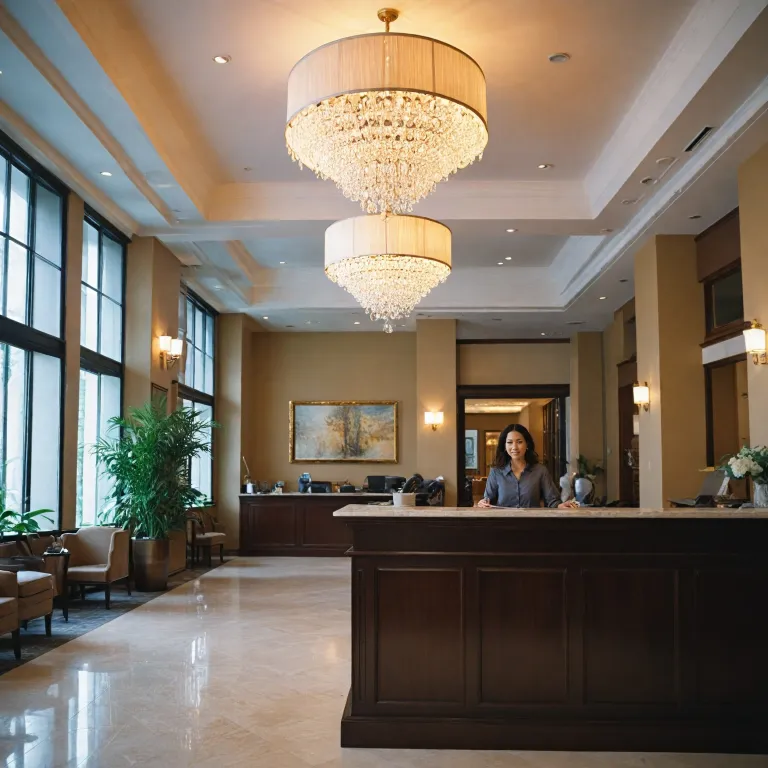
Understanding hotel security risks: what every traveler and risk manager must know
Hotel security is a critical concern for travelers, risk managers, and hospitality professionals. The risks range from unauthorized access to theft of valuables, making it essential to assess the safety of each hotel room and its features. When traveling for business or leisure, travelers should prioritize hotels with robust security protocols, including secure room access, reliable door locks, and vigilant hotel staff. A key aspect of hotel security tips for travelers is to evaluate the neighborhood and request a room between the second and sixth floors, as these are statistically safer. The room number should never be shared publicly, and travelers must always check the door lock and door handle upon entering the hotel room. Business travelers, in particular, should be aware of the privacy policy of the hotel and ensure that their valuables are stored in the hotel safe. The use of a disturb sign on the door can deter unwanted entry, while a door wedge or door stopper provides an additional layer of security. These safety tips are not only relevant for individual travelers but also for risk managers and legal advisors who develop hotel safety guidelines. By understanding the unique challenges of hotel security, professionals can implement effective measures to protect guests and assets.
Best practices for securing your hotel room: actionable safety tips for travelers
Securing a hotel room begins with a thorough inspection upon arrival. Travelers should check the integrity of the door lock, ensure the door handle is sturdy, and verify that the key card system functions properly. For enhanced room safety, use all available locks, including deadbolts and security chains, and consider carrying a personal door wedge or door stopper. As one expert states, "Use all available locks, such as deadbolts and security chains. Additionally, consider using a door wedge alarm for added security." This advice is especially pertinent for female travelers and business travelers, who may face elevated risks during business travel. Avoid leaving valuables in plain sight; instead, use the hotel safe and keep the room number confidential. When traveling, always lock the door and use the disturb sign or sign door to signal occupancy. For added peace of mind, some travelers utilize portable security devices such as travel door alarms or smart locks. Risk managers and hospitality legal advisors should recommend these hotel security tips for travelers as part of comprehensive room safety protocols.
Hotel staff roles and responsibilities: ensuring guest safety and legal compliance
Hotel staff play a pivotal role in maintaining hotel safety and supporting travelers' security needs. Their responsibilities include monitoring access to hotel rooms, verifying key card issuance, and responding promptly to safety concerns. Staff must be trained to recognize suspicious behavior and understand the privacy policy that governs guest information. For risk managers and legal professionals, it is crucial to develop clear protocols for hotel staff regarding room access, especially when guests are not present. The use of a disturb sign or sign door should be respected at all times to uphold privacy and safety. Business travelers and female travelers benefit from staff who are attentive to requests for additional security measures, such as extra door stoppers or room changes. Hotels should also provide clear instructions on how to use the hotel safe and inform guests about emergency procedures. Legal advisors must ensure that all staff actions comply with local regulations and the hotel's privacy policy.
Technological innovations in hotel security: smart devices and digital safety
The integration of smart security devices has transformed hotel safety for travelers and risk managers alike. Modern hotels now offer advanced door lock systems, digital key cards, and mobile access solutions that enhance room safety and reduce unauthorized entry. Business travelers and frequent travelers benefit from these innovations, as they provide greater control over room access and valuables. Portable devices such as door wedge alarms, travel door locks, and personal carbon monoxide detectors are increasingly popular among travelers seeking extra protection. The use of VPNs when accessing hotel Wi-Fi is another essential safety tip, as it helps safeguard personal and business data. As cyber threats become more prevalent, hotels must update their privacy policy and educate guests about digital security. Risk managers should evaluate the effectiveness of these technologies and recommend best practices for both staff and travelers.
Legal and insurance considerations: mitigating liability and ensuring compliance
Legal advisors and insurers in the hospitality sector must address the complexities of hotel security, from liability for lost valuables to compliance with privacy regulations. Hotels are required to implement robust security measures, including secure room access, reliable door locks, and clear communication of the privacy policy. Risk managers should conduct regular audits of hotel safety protocols, ensuring that staff are trained to handle emergencies and respect guest privacy. Insurance policies should cover incidents related to theft, unauthorized access, and breaches of the privacy policy. Business travelers and female travelers may require additional assurances, such as enhanced room safety features or access to secure hotel safes. Legal teams must stay informed about evolving regulations and industry standards, advising hotels on best practices for guest safety and risk mitigation. By fostering a culture of compliance and transparency, hotels can build trust with travelers and reduce the likelihood of legal disputes.
Empowering travelers: practical hotel security tips for every journey
Travelers can take proactive steps to enhance their safety during hotel stays. Always research the hotel's reputation and neighborhood before booking, and request a room on a secure floor. Upon arrival, inspect the room, check the door lock, and use a door wedge or door stopper for added security. Store valuables in the hotel safe and avoid sharing the room number with strangers. Use the disturb sign to deter unwanted entry, and never prop open the door or leave the key card unattended. For business travelers and female travelers, these safety tips are especially important during solo business travel. Remember, "Rooms between the second and sixth floors are considered safest, as they are high enough to deter break-ins but low enough to be reached by fire engine ladders." By following these hotel security tips for travelers, guests can minimize risks and enjoy a safe, comfortable stay. Risk managers and legal advisors should incorporate these recommendations into their training materials and guest communications.
Key statistics on hotel security and traveler safety
- 60% of hotel room burglaries occur on the first and second floors.
- The use of deadbolt locks reduces break-ins by 30%.
Frequently asked questions about hotel security tips for travelers
What floor is safest to stay on in a hotel?
Rooms between the second and sixth floors are considered safest, as they are high enough to deter break-ins but low enough to be reached by fire engine ladders.
How can I secure my hotel room door?
Use all available locks, such as deadbolts and security chains. Additionally, consider using a door wedge alarm for added security.
Is it safe to use hotel Wi-Fi?
Hotel Wi-Fi can be risky. It's advisable to use a VPN to encrypt your data and protect your personal information.
Trusted sources for hotel security and traveler safety
- AAA Club Alliance
- TripJive