Understanding the legal landscape of guest safety regulations in France
Guest safety regulations in France have evolved to address the complexities of the modern hospitality sector. Risk managers, general management, insurers, legal advisors, and specialized travel and hospitality firms must understand how these regulations impact both short and long term rental markets. The French government, as regulator, has established national laws that set the framework for guest safety, while local authorities enforce these rules and adapt them to regional needs. Airbnb, as well as other platforms, must comply with these requirements, ensuring that all accommodation listings meet the necessary standards for guest safety and transparency. The distinction between primary residence, secondary residence, and furnished tourist accommodation is central to the application of these rules, especially in cities like Paris where housing shortages and tourist demand intersect. Hosts are required to register their properties, display a registration number, and adhere to local requirements, including limits on short term rental days and compliance with safety equipment mandates. The implementation of a nationwide registration system streamlines oversight and enhances the ability of local authorities to monitor compliance, while also supporting the collection of tourist tax and enforcement of rental regulations. For legal professionals and risk managers, understanding the interplay between national legislation and local enforcement is critical for advising clients and ensuring operational compliance.
Mandatory safety equipment and compliance requirements for tourist accommodation
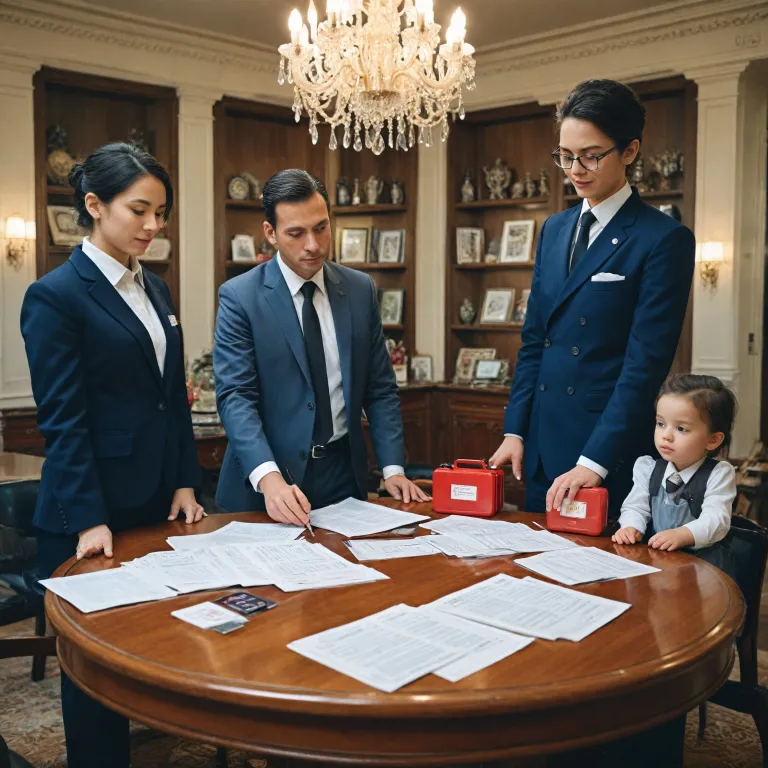
French regulations stipulate that all tourist accommodation, including Airbnb listings, chambre hotes, and furnished tourist rentals, must be equipped with specific safety devices. Properties must have smoke detectors, carbon monoxide detectors, fire extinguishers, and first-aid kits to ensure guest safety. These requirements apply to both short term and long term rentals, and failure to comply can result in significant penalties from local authorities. The rules are particularly stringent in high-density tourist areas such as Paris, where the influx of visitors and the prevalence of short term rental platforms have prompted tighter oversight. Local authorities conduct regular inspections to verify compliance, and the registration number system allows for efficient tracking of both primary residences and secondary residences used for rental purposes. Hosts must also be aware of local noise regulations, quiet hours, and the need to provide clear information to guests about emergency procedures. Insurance coverage is another critical aspect, as hosts are required to have appropriate policies in place to cover potential liabilities arising from guest stays. The mobility lease, designed for medium-term rentals, and the chambre hotes category each have their own set of requirements, further complicating the compliance landscape. For risk managers and legal advisors, staying abreast of evolving regulations and ensuring that all accommodation types meet the latest standards is essential for minimizing exposure and maintaining trust with clients and guests. For more detailed guidance on compliance, refer to the comprehensive overview at French hospitality safety standards.
Tax obligations and registration processes for hosts and property managers
Tax compliance is a cornerstone of guest safety regulations in France, affecting all actors in the hospitality sector. Hosts, whether renting a primary residence, secondary residence, or furnished tourist accommodation, must declare all rental income and fulfill their income tax obligations. The French government has introduced stricter rules for short term and term rental income, reducing tax allowances for non-classified rentals and increasing scrutiny of rental income declarations. Registration with local authorities is mandatory, and the nationwide registration system facilitates the monitoring of both short term and long term rentals. The tourist tax, collected by hosts and remitted to local authorities, supports local infrastructure and tourism initiatives. Airbnb and similar platforms are required to ensure that their hosts comply with these tax obligations and display the correct registration number on all listings. The mobility lease, which targets tenants seeking medium-term accommodation, also falls under these tax and registration requirements. Local authorities have the power to impose fines for non-compliance, and property managers must keep meticulous records to avoid penalties. Risk managers and legal professionals should regularly review updates to French rental regulations to ensure ongoing compliance and advise clients accordingly.
Local authority enforcement and the impact on Paris and other major cities
Local authorities in France play a pivotal role in enforcing guest safety regulations, particularly in cities experiencing high tourist demand and housing shortages. Paris city, as a leading example, has implemented strict rental regulations to balance the needs of residents and visitors. The cap on short term rentals for primary residences is set at 120 days per year, with some areas considering a reduction to 90 days to address housing availability. Local authorities are empowered to conduct inspections, verify registration numbers, and enforce compliance with safety and tax requirements. The introduction of a nationwide registration system enhances their ability to monitor both furnished tourist accommodation and long term rentals. Hosts operating without proper registration or failing to meet safety equipment standards face significant fines and potential removal from platforms like Airbnb. The rules also extend to chambre hotes and secondary residences, ensuring that all forms of tourist accommodation are subject to the same rigorous oversight. Local requirements may vary, so risk managers and legal advisors must stay informed about municipal regulations and adapt their compliance strategies accordingly. The partnership between local authorities, Airbnb, and other platforms has improved transparency and accountability in the rental market, benefiting both guests and residents.
Insurance, liability, and risk management in the French hospitality sector
Insurance is a fundamental component of guest safety regulations in France, providing protection for both hosts and guests in the event of accidents or property damage. Hosts are required to obtain insurance policies that cover liabilities arising from short term and long term rentals, including furnished tourist accommodation and chambre hotes. The insurance requirements are designed to align with the broader objectives of guest safety, ensuring that all parties are adequately protected. Risk managers must assess the specific needs of each property, taking into account factors such as the type of accommodation, duration of rental, and local requirements. The mobility lease, which offers flexibility for tenants seeking medium-term housing, also necessitates tailored insurance solutions. French rules mandate that insurance coverage extends to all registered properties, with the registration number serving as a key identifier for compliance. Property managers and legal advisors should work closely with insurers to ensure that policies are up to date and reflect the latest regulatory changes. The integration of insurance requirements into the nationwide registration system streamlines the verification process and reduces the risk of non-compliance. For hosts, understanding the nuances of insurance and liability is essential for maintaining trust with guests and avoiding costly disputes. The collaboration between local authorities, insurers, and platforms like Airbnb has strengthened the overall risk management framework in the French hospitality sector.
Future trends and evolving requirements for guest safety in France
The landscape of guest safety regulations in France continues to evolve in response to market dynamics and societal needs. The rapid growth of short term rentals has prompted the French government and local authorities to introduce innovative measures, such as the nationwide registration system and enhanced energy performance standards. These initiatives aim to improve guest safety, promote energy efficiency, and ensure the availability of long term housing for residents. The expected impact includes better oversight of rental markets, increased transparency, and more effective enforcement of tax and safety regulations. Hosts and property managers must adapt to these changes by staying informed about new requirements and updating their compliance strategies accordingly. The partnership between Airbnb, local authorities, and insurers is likely to deepen, with technology playing a key role in streamlining registration, monitoring, and enforcement processes. As the regulatory environment becomes more complex, risk managers and legal professionals will need to provide expert guidance to clients navigating the intricacies of French rental regulations. "French rental properties are required to have smoke detectors, carbon monoxide detectors, fire extinguishers, and first-aid kits." This quote underscores the ongoing commitment to guest safety and the importance of adhering to established standards. The future of guest safety regulations in France will be shaped by continued collaboration among stakeholders and a shared focus on protecting both guests and the broader community.
Key statistics on guest safety regulations in France
- Number of Airbnb listings in France: 750,000 listings
- Increase in guest revenue in rural areas compared to 2019: 135%
Frequently asked questions about guest safety regulations in France
What safety equipment is required in French rental properties?
French rental properties are required to have smoke detectors, carbon monoxide detectors, fire extinguishers, and first-aid kits.
Are there limits on how many days I can rent out my property in France?
Yes, primary residences can be rented out for up to 120 days per year, which may be reduced to 90 days in certain areas starting in 2025.
Do I need to register my rental property with local authorities in France?
Yes, most municipalities require mandatory registration of rental properties, with a nationwide registration system becoming mandatory by May 20, 2026.