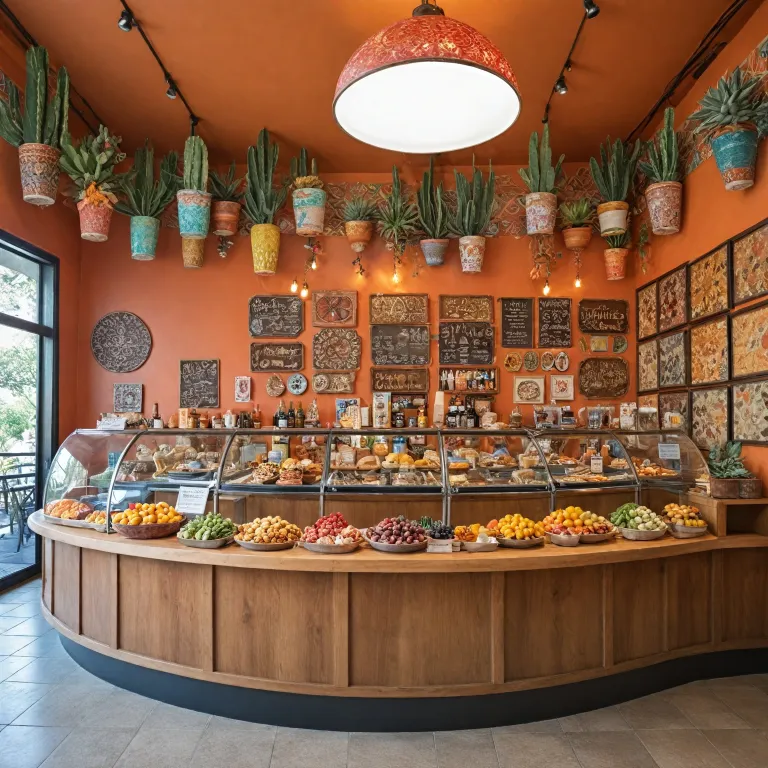
From la michoacana menu to hospitality risk frameworks
For risk managers in hospitality, the la michoacana menu looks, at first glance, like a simple celebration of authentic Mexican desserts and snacks. Yet behind every paleta, every portion of fresh fruit, and every cup of ice cream, there is a dense network of operational, legal, and insurance exposures. A chain such as La Michoacana, operating across multiple U.S. jurisdictions, offers a useful model for analysing how product design, food safety, and guest experience intersect with liability and compliance duties.
The la michoacana menu is built around high variability : fruits in rotation, chamoy and chamoy tajín toppings, chile sauces, and temperature sensitive items served over ice or very hot. This diversity, including small medium and medium large portions, multiplies HACCP control points and documentation needs. Risk teams must map each product family, from strawberry cream cups to chocolate covered bars, to specific critical limits and monitoring routines.
Allergens and dietary promises add another layer, especially where dairy free or free from claims are made alongside classic crema and cream recipes. When a guest orders strawberries cream or a cookie monster sundae with chocolate and bubble gum pieces, the operator must evidence robust segregation between dairy and free mango or coconut based alternatives. For insurers and legal teams, the la michoacana menu therefore becomes a live case study in aligning culinary creativity with traceability, labelling accuracy, and defensible incident response.
Product innovation, fusion desserts and liability allocation
La Michoacana has built its reputation on authentic Mexican recipes enhanced by innovation, including fusion desserts that combine fresh fruit with confectionery such as ferrero rocher. These creations, often served as chocolate covered paletas or elaborate ice cream cups, challenge standard product liability assumptions in hospitality. When a single dessert layers mango, chamoy, lime juice, and imported chocolates, the chain of responsibility between local suppliers and the brand’s central specifications must be contractually crystal clear.
Risk managers should treat the la michoacana menu as a matrix of exposures, where each ingredient category — from chile sauces to coconut shavings — is linked to supplier quality agreements and recall clauses. Items like pina colada paletas, passion fruit sorbets, or strawberry lime aguas blur the line between beverage and dessert, which can affect taxation, labelling, and even licensing in some jurisdictions. When these products are served in small medium or medium large formats, caloric and allergen disclosures must remain consistent across all sizes.
For specialised brokers and insurers, the creativity of the la michoacana menu is an opportunity to design endorsements that reflect fusion risk, especially where hot cheetos toppings, spicy chamoy lime rims, or waffle based sundaes are marketed as a special attraction. Cross contamination between dairy free sorbets and classic crema recipes must be addressed in warranties and risk surveys. In this context, art and hospitality underwriters can borrow analytical tools from comprehensive strategies for asset protection and business continuity, adapting them to perishable, high turnover inventory.
Thermal, sensory and crowd management risks in dessert concepts
The la michoacana menu is dominated by temperature sensitive products, from ice cream tubs to water based paleta lines and hot beverages. Maintaining the cold chain for fresh fruit, strawberry cream cups, and coconut sorbets is not only a food safety imperative but also a reputational safeguard. A single failure affecting mango or passion fruit batches can cascade into multi location claims, especially where centralised purchasing supports numerous outlets.
Thermal contrasts also create operational hazards : staff handle ice filled containers, hot toppings, and sticky chamoy or chamoy tajín sauces that may drip onto floors. Slips linked to melted strawberry, chicle pieces, or bubble gum residues are classic general liability scenarios, particularly in high traffic periods when small medium and medium large orders accumulate. Crowd management becomes critical when limited seating competes with queues for cookie monster sundaes, hot cheetos snacks, or chocolate covered paletas.
For legal teams, the sensory intensity of the la michoacana menu — spicy chile, sour chamoy lime, and sweet strawberries cream — raises questions about warnings for sensitive guests, including children. Clear signage about spicy levels, potential irritants in chamoy, and choking risks from hard waffle cones or frozen paletas should be integrated into standard operating procedures. Claims handling protocols can draw on best practices outlined for navigating insurance liability and best practices for risk managers, adapted to the specificities of food related incidents.
Allergen governance, labelling and contractual risk transfer
Within the la michoacana menu, allergen management is a central pillar of risk governance, given the coexistence of cream, crema, and dairy free alternatives. A guest may order a free mango sorbet, a strawberry cream cup, or a cookie monster sundae with chocolate chunks and bubble gum toppings in the same visit. Each combination requires precise labelling, staff training, and cleaning protocols to avoid cross contact between dairy, nuts, and other regulated allergens.
Risk managers should ensure that the la michoacana menu is supported by a digital allergen matrix, updated whenever new special items such as pina colada paletas or ferrero rocher inspired desserts are introduced. This is particularly important where authentic Mexican recipes use regional ingredients that may not be familiar to all guests, such as certain chile blends or chamoy preparations. Contractual risk transfer with suppliers must stipulate full disclosure of sub ingredients, especially in complex products like chocolate covered wafers or hot cheetos based snacks.
From an insurance perspective, endorsements can incentivise best practice by linking premium conditions to documented allergen controls across all small medium and medium large servings. Legal teams should also review marketing language around free from and dairy free claims, ensuring they are substantiated by testing and segregation measures. In multi property hospitality portfolios, lessons from the la michoacana menu can inform group wide standards, supported by resources such as maximizing protection through tailored insurance for service interruptions, which highlight the value of robust documentation when disputes arise.
Franchise models, territorial expansion and regulatory fragmentation
La Michoacana operates across multiple U.S. locations, and the la michoacana menu therefore encounters a patchwork of health codes, consumer laws, and insurance norms. For directions générales and specialised legal counsel, this raises strategic questions about centralised versus local control over authentic Mexican recipes. A standardised paleta specification for mango, strawberry, or coconut may need adaptation to regional expectations around sugar content, labelling, or portion sizes such as small medium and medium large.
Franchise or licence agreements must clearly define who bears responsibility for compliance when new special items are added, such as pina colada sorbets, passion fruit aguas, or strawberries cream cups. Where local operators experiment with toppings like hot cheetos, chamoy lime, or chamoy tajín, the brand owner should require prior approval and risk assessment. This is particularly relevant when products are marketed as dairy free or free mango options, which may trigger specific regulatory scrutiny.
Insurance programmes for such networks must balance master policies with local covers, ensuring that product liability, business interruption, and recall risks are coherently addressed. The la michoacana menu, with its mix of ice cream, water based paletas, waffle cones, and confectionery like ferrero rocher or chicle, illustrates how diverse product portfolios complicate underwriting. For risk managers overseeing broader hospitality groups, this case underscores the need for harmonised risk registers that capture both core offerings and seasonal innovations built around fresh fruit, chocolate, and spicy snacks.
Guest experience, marketing promises and claims defensibility
The success of the la michoacana menu rests on a powerful emotional promise : colourful fresh fruit, indulgent strawberry cream, and playful flavours like cookie monster or bubble gum. Marketing campaigns often highlight authentic Mexican heritage, generous small medium and medium large portions, and special creations such as pina colada or passion fruit paletas. When these promises are not met — for example, if a supposed dairy free sorbet contains traces of cream — the gap between expectation and reality becomes fertile ground for disputes.
Risk managers should work closely with marketing teams to ensure that descriptions of spicy chile toppings, chamoy lime rims, or chocolate covered desserts are accurate and balanced. Visuals showing overflowing ice cream cups with strawberries cream, ferrero rocher pieces, and hot cheetos crumbs must reflect actual serving practices. Clear communication about portion sizes, ingredients such as coconut, mango, or lime juice, and options like free mango add ons helps reduce misunderstandings.
In the event of a claim, detailed records of menu specifications, staff training on chamoy and chamoy tajín handling, and cleaning routines for sticky waffle crumbs or melted ice are invaluable. “Paletas are traditional Mexican popsicles made from fresh fruits and other ingredients, available in water-based and cream-based varieties.” This single sentence, when embedded in training materials, can anchor a shared understanding of product categories and associated risks, strengthening the defensibility of the operator’s position in negotiations with insurers and claimants.
Key quantitative insights for risk and insurance design
For hospitality risk specialists, the la michoacana menu also offers quantitative signals that can inform insurance design and operational KPIs. The breadth of flavours, from strawberry and mango to coconut, passion fruit, and pina colada, directly influences inventory complexity and potential waste. Each additional special item, whether a cookie monster sundae, a chocolate covered paleta, or a hot cheetos snack with chamoy lime, adds monitoring points for temperature, hygiene, and allergen control.
Quantitative tracking should extend to the ratio of dairy free to dairy based sales, as this affects exposure to allergen claims and the design of free from guarantees. Monitoring demand for small medium versus medium large servings of ice cream, strawberries cream, or fresh fruit cups can guide capacity planning and staffing levels. High turnover items like chamoy sauces, chile powders, and waffle cones should be linked to supplier performance dashboards, especially where authentic Mexican sourcing is part of the brand promise.
In parallel, guest feedback on spicy intensity, sweetness balance in strawberry cream desserts, or texture of bubble gum and chicle inclusions can be quantified to refine risk controls. By aligning these metrics with incident data — slips from melted ice, reactions to chamoy tajín, or dissatisfaction with free mango toppings — insurers and operators can co create more precise coverage terms. Ultimately, the la michoacana menu exemplifies how a seemingly simple dessert offering, rich in fruits, chocolate, and water or cream bases, can become a sophisticated laboratory for hospitality risk, assurance, and legal strategy.
Key statistics for hospitality risk managers
- La Michoacana locations collectively offer around 100 flavours across their la michoacana menu, significantly increasing inventory and allergen management complexity.
- The average price of a paleta on the la michoacana menu is approximately 3.65 USD, shaping both revenue modelling and liability exposure per transaction.
Frequently asked questions from a risk and legal perspective
How do paletas on the la michoacana menu affect liability exposure ?
Paletas, whether water based or cream based, require strict temperature control, allergen labelling, and stick safety management, which together define a substantial part of product liability and food safety risk.
Are savoury snacks on the la michoacana menu a different risk category ?
Savoury items such as elotes, tortas, or snacks topped with hot cheetos and chamoy introduce additional choking, temperature, and crowd management risks that must be addressed separately from frozen desserts.
What role do vegetarian and dairy free options play in risk mitigation ?
Vegetarian and dairy free products can reduce certain allergen exposures, but they also create heightened expectations around segregation, labelling accuracy, and verification, which must be reflected in training and insurance wording.
How should multi location operators standardise controls around the la michoacana menu ?
Groups should implement a centralised HACCP and allergen framework, then adapt it locally to reflect regional regulations while preserving consistent documentation and incident response protocols.
Why is supplier governance critical for authentic Mexican dessert concepts ?
Because authentic Mexican ingredients such as specific chiles, chamoy, and fresh fruit are often sourced from specialised suppliers, robust contracts and audits are essential to manage contamination, recall, and continuity risks.