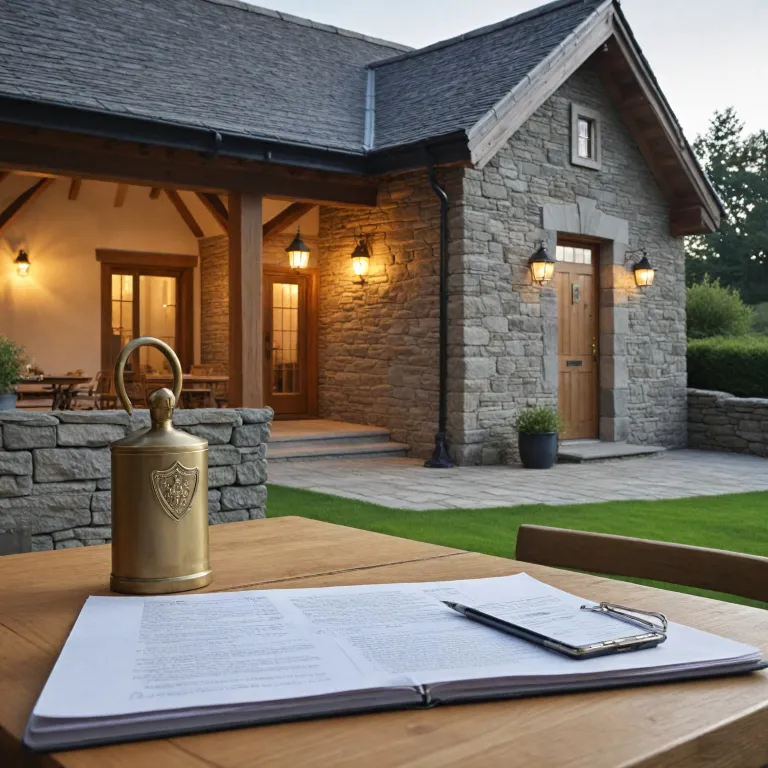
Rural charm under scrutiny: redefining duty of care at the countryside inn
A countryside inn evokes calm landscapes, traditional meals and intimate hotel rooms, yet risk managers know that serenity never removes exposure. Each hotel and inn must align its stay conditions, security posture and insurance wording with the real flows of guests, staff and suppliers crossing the country road every hour. When a countryside inn markets rustic rooms and suites with easy access to local attractions, the legal framework must be as solid as the stone walls.
For a risk director, the countryside inn is a complex hotel in miniature, where each guest room, double queen or king room, and each inn suites configuration generates distinct liability scenarios. A flat screen falling in a room, a slippery front step, or a data breach at the front desk reservation desk can all transform a peaceful place to stay into a costly claim. Business travelers, families and groups using hotel rooms in rural area locations expect friendly service and clean rooms, but courts will examine written procedures, not ambiance.
Operators of hotels country wide that use the country inn or countryside inn branding must ensure that marketing promises about amenities, free breakfast, easy access or 24 hour front desk are matched by verifiable controls. When a guest book stay process is handled through a site with online contact book forms, cyber risk and PCI compliance become as important as fire exits. In this context, Sécurité, Risk, Assurance & Juridique Hospitality converge around one central question : how to preserve local charm while meeting urban level standards of governance.
Security architecture from car park to guest room: practical controls for countryside inns
Designing a security architecture for a countryside inn starts long before the guest reaches the front door. The access road, car park and surrounding country area must be assessed for lighting, surveillance coverage and easy access for emergency vehicles, not only for guest convenience. A hotel that promotes free parking and friendly service but neglects perimeter security exposes itself to theft, assault and complex liability debates.
Inside the inn, each guest room, from compact rooms to larger suites and inn suites, should follow a standard for locks, peepholes, smoke detectors and flat screen mounting. Risk managers should verify that double queen and king room layouts respect evacuation routes, that front desk staff can monitor room status in real time, and that any 24 hour front desk promise is backed by trained personnel. When a countryside inn offers extended stay options, the line between classic hotel rooms and quasi residential units blurs, requiring adapted fire safety and visitor policies.
Food and beverage operations at a rural hotel or country inn add another layer of exposure, especially when menus change frequently or rely on local suppliers. Lessons from broader hospitality case studies on how a fizz menu reshapes safety, risk and legal exposure in hospitality, available through specialized analysis, are directly applicable to the countryside inn kitchen. Clear HACCP plans, allergen management and supplier vetting are as critical in a small inn dining room as in a city hotel restaurant, because pathogens and claims ignore property size.
From reservations call to check out: legal risk in the booking and stay journey
The legal journey at a countryside inn begins when a guest first tries to book room or reserve room, not when they collect keys at the front desk. Terms and conditions on the site, the way a reservations call is recorded, and how a contact book form captures consent all shape the inn’s defense in case of dispute. When guests book stay packages that bundle local attractions, meals and amenities, the allocation of responsibility between hotel and partners must be contractually clear.
Risk managers should map each touchpoint of the stay, from pre arrival emails to check out, and test whether promises about clean rooms, free Wi Fi, easy access or 24 hour front desk are precise and achievable. Overstating the capabilities of a countryside inn, for example by implying constant on site medical support or absolute security, can create an implied warranty that insurers did not price. Business travelers are particularly sensitive to reliability, expecting that hotel rooms and suites will support confidential work, secure flat screen connectivity and stable connectivity for remote work.
Food safety jurisprudence shows how quickly a small error can escalate, and insights on how America’s Best Wings menu reshapes risk thinking in hospitality food safety, examined in specialized risk reviews, are relevant even for a modest country inn. When a countryside inn promotes local cuisine, the chain of custody from farm to plate must be documented, especially if the inn or hotels country group use shared suppliers. A single incident in one guest room or dining room can trigger class actions if communication, traceability and insurance coordination are weak.
Insurance, claims and the countryside inn: aligning coverage with real exposures
Insurance programs for a countryside inn must reflect the property’s hybrid nature as both lodging and community hub. Standard hotel policies may not fully address exposures linked to local events, agricultural partnerships or extended stay guests who treat inn suites as semi permanent homes. Brokers and assureurs should review whether liability limits, business interruption triggers and cyber extensions match the actual activity of the inn and its hotel rooms portfolio.
Property values at rural hotels country wide can be difficult to estimate, especially when buildings combine historic structures with modern amenities such as pools, flat screen equipped rooms and upgraded front desk systems. Underinsurance becomes a real threat when a fire affects multiple rooms and suites, forcing the countryside inn to close and cancel every book stay and reserve room for months. Business travelers and tour operators may then seek compensation for alternative place stay costs, testing the precision of policy wording.
Claims handling also requires anticipation, with clear protocols for incident reporting from the front desk to insurers and legal counsel. Staff should know how to secure a guest room after an accident, preserve CCTV footage from the area, and maintain friendly service while collecting statements. Case studies on freight forwarding and real financial losses in hospitality risk management, such as those examined in specialized logistics risk analyses, remind us that supply chain disruptions can hit a countryside inn as hard as a city hotel.
Governance, contracts and the role of specialized legal counsel
Behind the charm of a countryside inn lies a dense network of contracts with staff, suppliers, online travel agencies and local attractions. Each agreement that helps the inn offer easy access to experiences in the surrounding country area also introduces allocation of risk that must be negotiated carefully. Juristes and cabinets spécialisés in travel and hospitality can help ensure that indemnity clauses, insurance obligations and service level commitments reflect the real capacity of the hotel.
Franchise or soft brand agreements for hotels country wide that use the country inn or countryside inn label deserve particular attention. Brand standards may dictate minimum amenities, from flat screen televisions in every room to 24 hour front desk coverage, and failure to comply can trigger both contractual penalties and guest claims. When a property markets itself as a place stay for business travelers, with dedicated desk space in each guest room and reliable work facilities, the legal risk of non performance increases.
Internal governance should formalize how the front desk escalates incidents, how reservations call recordings are stored, and how contact book data is processed under privacy law. Risk committees that include operations, legal, insurance and security can review incident trends across rooms, suites and inn suites, ensuring that friendly service never overrides basic controls. In this environment, the countryside inn that treats contracts as living risk instruments, rather than static paperwork, will be better positioned to negotiate favorable insurance terms and defend itself in litigation.
Human factors, training and culture of safety in the countryside inn
Even the best written policies for a countryside inn will fail without a strong safety culture among staff. Front desk agents, housekeeping teams and kitchen crews translate Sécurité, Risk, Assurance & Juridique Hospitality principles into daily actions in each guest room and shared area. Training should cover not only emergency response but also how to maintain clean rooms, verify amenities, and manage difficult situations while preserving friendly service.
Housekeeping staff who enter hotel rooms, double queen layouts and suites every day are often the first to notice emerging risks, from faulty flat screen brackets to damaged locks. Encouraging them to report issues quickly, without fear of blame, can prevent incidents that would otherwise affect a guest stay and trigger claims. Business travelers who use the room as a temporary office, setting up a desk with multiple devices, also benefit from clear guidance on safe use of outlets and extension cords.
Recruitment and retention strategies should emphasize that working in a country inn or countryside inn requires professionalism equal to that of large hotels country wide. When employees understand that each book stay, reserve room or book room transaction carries legal and insurance implications, they treat procedures with greater seriousness. Over time, a well trained team turns the inn into a genuinely safe place stay, where guests experience rural charm while risk managers, assureurs and juristes can trust that controls operate as designed.
Key quantitative insights for countryside inn risk management
- Countryside Inn Nappanee operates 66 rooms, illustrating how even mid sized rural properties require structured risk and insurance programs.
- Countryside Inn & Suites Orlando manages 174 rooms, showing that the countryside inn label can apply to large, extended stay hotels with complex exposures.
- Modern countryside inns frequently combine traditional aesthetics with contemporary amenities such as free breakfast, Wi Fi and pools, increasing both guest expectations and technical risk.
- Growing traveler interest in rural and rustic lodging experiences is driving modernization of traditional inns, which must now align with urban level safety and legal standards.
Questions risk professionals also ask about countryside inns
What amenities are typically offered at countryside inns ?
Amenities at a countryside inn often include free breakfast, Wi Fi and sometimes pools or fitness centers, depending on the property. Many hotels country wide that use the country inn or countryside inn label also provide flat screen televisions, parking and friendly service at the front desk. Risk managers should verify that every advertised amenity is consistently available across rooms, suites and inn suites to avoid misrepresentation claims.
Are countryside inns suitable for extended stays ?
Some countryside inns are specifically designed for extended stay guests, offering inn suites with kitchenettes, larger desk areas and laundry access. When a countryside inn positions itself as a place stay for longer periods, insurers and juristes must review fire safety, visitor policies and housekeeping frequency. Extended stay models blur the line between classic hotel rooms and residential use, which can affect zoning, liability and insurance coverage.
Do countryside inns accommodate pets ?
Pet policies vary widely between one countryside inn and another, and even between hotels country within the same brand. Allowing pets in hotel rooms and suites introduces additional cleaning, allergy and liability considerations that must be reflected in house rules and insurance. Risk managers should ensure that any pet friendly service is supported by clear signage, guest acknowledgements and enhanced cleaning protocols for each affected guest room.
How should guests evaluate the safety of a countryside inn before booking ?
Guests can review online feedback about clean rooms, security measures and front desk responsiveness before they book stay or reserve room. Checking whether the countryside inn clearly lists amenities, emergency contacts and local attractions on its site can also indicate governance quality. For risk sensitive business travelers, direct contact by reservations call or contact book form allows specific questions about 24 hour front desk coverage, parking security and room safety features.
What role do local attractions play in countryside inn risk profiles ?
Partnerships with local attractions can enhance the appeal of a countryside inn but also extend its risk perimeter beyond the hotel walls. When packages bundle a stay with outdoor activities, transport or events, contracts must clarify which party bears responsibility for incidents in each area. Risk managers, assureurs and juristes should treat these collaborations as part of the overall Sécurité, Risk, Assurance & Juridique Hospitality framework, not as informal arrangements.