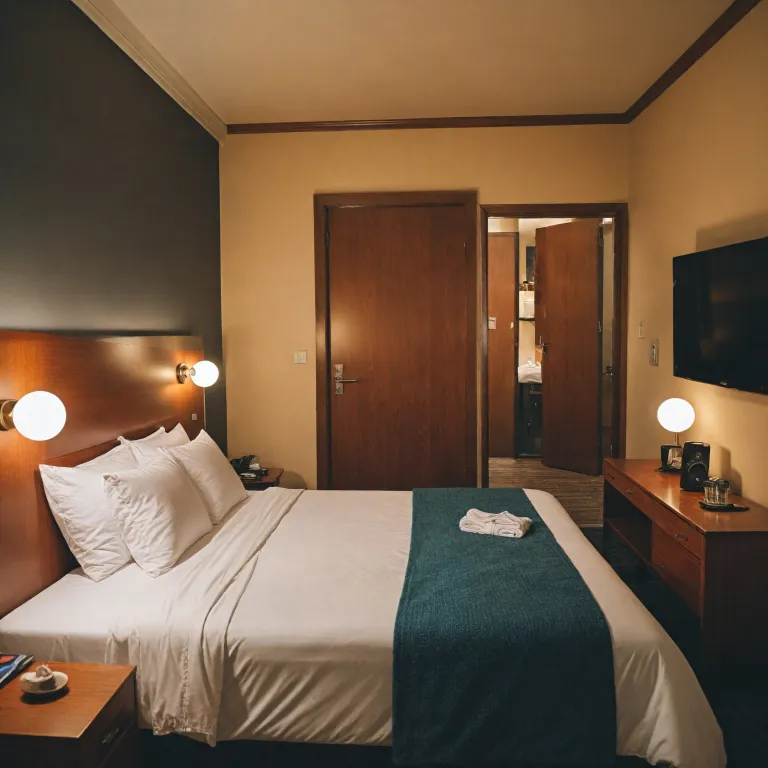
Understanding hotel safety for solo travelers: risk, assurance, and legal frameworks
Hotel safety for solo travelers is a critical concern for risk managers, general management, insurers, and legal professionals in the hospitality sector. The rise in solo travel has brought new challenges, requiring hotels to reassess their safety protocols and legal responsibilities. Ensuring a secure hotel room for each solo traveler is not just a matter of guest satisfaction but also a core aspect of risk mitigation and compliance with evolving legal standards.
Solo travelers expect robust safety measures from hotels, including secure room access, visible hotel staff presence, and clear emergency procedures. Legal frameworks increasingly demand that hotels provide adequate safety devices and transparent communication about risks. Insurance providers and specialized legal consultants must evaluate how hotels address solo travel safety, from the moment a guest books a hotel to their final check-out. The assurance of a safe stay is now a key differentiator for hotels aiming to attract solo travelers.
Risk managers must collaborate with hotel staff to implement best practices, such as keeping room numbers confidential and ensuring that front desk procedures do not inadvertently expose solo travelers to unnecessary risks. The use of disturb signs, portable door locks, and secure safes in hotel rooms are practical steps that can significantly enhance safety. By integrating these measures, hotels can reduce liability and build trust with solo travelers, who are often more vulnerable during their stay.
Key safety tips for solo travelers: practical measures and hotel responsibilities
Solo travelers should prioritize safety at every stage of their trip, from booking a hotel to checking out. When selecting hotels, it is advisable to check hotel safety ratings and reviews, focusing on properties that demonstrate a commitment to solo travel safety. Requesting a hotel room between the third and sixth floors is a proven strategy, as these floors are less accessible from the outside but still reachable by emergency services.
Upon arrival, solo travelers should verify that their room door locks function properly and consider using extra safety devices such as portable door locks or doorstops. The hotel staff should be proactive in offering safety tips and ensuring that room numbers are not disclosed publicly. Utilizing the hotel safe to store valuables and keeping the disturb sign on the door when inside the room are effective ways to deter unwanted attention.
Travel insurance is an essential component of solo travel safety, providing coverage for theft, accidents, or unexpected incidents during the stay. Insurers and legal advisors should educate solo travelers on the importance of documenting their trip details and maintaining communication with trusted contacts. For more in-depth guidance on risk management in hospitality, explore our comprehensive resource on travel risk assessment.
Legal obligations and insurance considerations for hotels hosting solo travelers
Hotels have a legal duty to provide a safe environment for all guests, with heightened attention to the unique needs of solo travelers. This includes ensuring that hotel room doors are equipped with reliable locks and that hotel staff are trained to handle safety concerns discreetly. Legal teams must regularly review and update hotel safety policies to reflect current best practices and regulatory requirements.
Insurance policies for hotels should explicitly address the risks associated with solo travel, including provisions for incidents that may occur during a solo traveler’s stay. Insurers must assess whether hotels offer adequate safety devices, such as portable locks and secure safes, and whether staff are trained to respond to emergencies. Solo travelers should be encouraged to purchase travel insurance that covers both personal safety and property loss while staying in hotels.
Legal advisors and risk managers should collaborate to develop clear protocols for reporting and responding to safety incidents. This includes maintaining a transparent process for solo travelers to check hotel safety features before booking and ensuring that all safety tips are communicated effectively. For legal insights on hospitality safety, visit our legal compliance guide for hotel operators.
Technology and innovation: enhancing hotel safety for solo travelers
Technological advancements are transforming hotel safety for solo travelers, offering new tools for both guests and hotel staff. Portable door locks, safety apps, and VPN services are increasingly popular among solo travelers seeking extra protection during their stay. Hotels can leverage these innovations by providing safety devices in rooms and offering digital resources that outline safety tips for solo travelers.
Hotel staff should be trained to assist solo travelers with the use of safety technology, such as demonstrating how to secure a hotel room door or access the hotel safe. The integration of real-time communication tools allows solo travelers to share their location and itinerary with trusted contacts, further enhancing travel safety. Hotels that invest in these technologies not only improve guest safety but also strengthen their reputation among solo travelers.
Risk managers and insurers should evaluate the effectiveness of these technological solutions as part of their overall safety strategy. By staying informed about the latest innovations, hotels can adapt their offerings to meet the evolving needs of solo travelers.
Staff training and operational protocols: building a culture of safety
Effective staff training is essential for maintaining high standards of hotel safety for solo travelers. Hotel staff must be equipped to recognize and respond to potential risks, from suspicious activity near a guest’s room to requests for extra safety devices. Regular training sessions should cover the use of disturb signs, the importance of not disclosing room numbers, and procedures for assisting solo travelers during emergencies.
Operational protocols should mandate that front desk staff verify the identity of anyone requesting access to a guest’s room. Housekeeping and room service teams must be trained to respect the privacy and safety of solo travelers, especially when a disturb sign is displayed. The hotel’s management should conduct regular audits to ensure compliance with safety policies and to identify areas for improvement.
Building a culture of safety requires ongoing collaboration between hotel staff, risk managers, and legal advisors. By fostering open communication and encouraging staff to share safety tips, hotels can create an environment where solo travelers feel secure throughout their stay. This proactive approach not only reduces risk but also enhances the overall guest experience.
Empowering solo travelers: actionable safety tips and expert advice
Solo travelers can take several steps to enhance their safety while staying in hotels. Always check hotel safety features before booking and request a room on a secure floor. Use the hotel safe for valuables, and keep the disturb sign on your door when inside the room. Share your travel itinerary and hotel details with a trusted contact, and use safety devices such as portable door locks for added protection.
Be cautious when using hotel Wi-Fi; a VPN can help protect your personal information. Familiarize yourself with emergency exits and hotel procedures, and trust your instincts if something feels off. As stated in the expert dataset: “Rooms located between the third and sixth floors are considered optimal for security, as they are less accessible from the outside yet reachable by emergency services.” Additionally, “In addition to using the door's built-in locks, consider bringing a portable door lock or doorstop for added security.”
Solo travelers should also avoid sharing their room number publicly and report any suspicious activity to hotel staff immediately. By following these safety tips and staying informed about hotel safety trends, solo travelers can enjoy a secure and rewarding travel experience.
Key statistics on hotel safety for solo travelers
- 59% of travelers have taken a solo trip in the past five years.
- There has been a 90% increase in solo travel searches year-on-year.
- 70% of solo travelers worry about their safety during their trip.
Frequently asked questions about hotel safety for solo travelers
What are the safest floors to stay on in a hotel?
Rooms located between the third and sixth floors are considered optimal for security, as they are less accessible from the outside yet reachable by emergency services.
How can I secure my hotel room door?
In addition to using the door's built-in locks, consider bringing a portable door lock or doorstop for added security.
Should I inform someone about my travel plans?
Yes, sharing your itinerary and hotel details with a trusted friend or family member enhances your safety during solo travel.
Trusted sources for hotel safety and solo travel
- https://www.globalbusinesstravelassociation.org
- https://www.ilo.org
- https://www.unwto.org