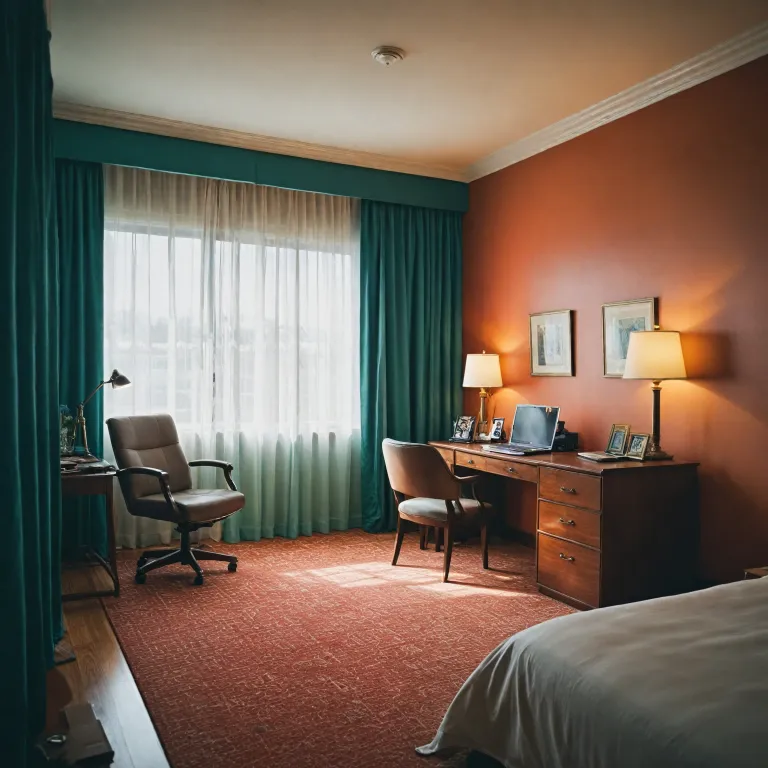
Legal frameworks governing hidden cameras in hotels: federal and state perspectives
Hospitality professionals must navigate a complex landscape of laws about hidden cameras in hotels, balancing security needs with the privacy rights of guests. Federal statutes such as the Video Voyeurism Prevention Act prohibit unauthorized video surveillance in private spaces, but state laws often provide more specific guidance regarding cameras in hotel rooms. The distinction between public and private areas within hotels is crucial; while security cameras are generally legal in public areas like lobbies or hallways, hidden cameras in hotel rooms violate the reasonable expectation of privacy held by guests.
Risk managers and legal advisors should be aware that audio recording introduces additional legal complexities, as party consent laws vary by state. In some states, all parties must consent to audio recording, making it illegal to record guests without explicit permission. The interplay between federal and state laws means that hotel owners and management must remain vigilant, ensuring their video surveillance systems comply with both levels of regulation. Legal professionals emphasize the importance of understanding the difference between legal and illegal record practices, especially when deploying security cameras in areas where guests and staff interact.
For example, while it is generally legal to use security cameras in public hotel areas, installing a hidden camera in a hotel room or private space is almost always prohibited. This legal analysis underscores the need for clear policies and regular audits of surveillance systems. For further guidance on compliance, risk managers can consult resources such as hotel security compliance best practices.
Privacy expectations and the role of consent in hotel surveillance
Guests have a reasonable expectation of privacy in their hotel rooms, making the use of hidden cameras in these spaces a significant legal and ethical violation. The concept of expectation privacy is central to both federal and state laws about hidden cameras in hotels, and violations can result in severe penalties for hotel owners and management. Surveillance in public areas, such as entrances and corridors, is generally legal, provided that cameras are visible and their presence is disclosed to guests and staff.
Consent recording is a critical factor in determining the legality of audio and video surveillance. In states with strict party consent requirements, recording without the knowledge and agreement of all parties is considered an illegal record. This applies to both guests and hotel staff, reinforcing the importance of transparent communication about surveillance systems. Risk managers must ensure that policies regarding security cameras are clearly communicated to all stakeholders, including guests, staff, and legal advisors.
Legal professionals advise that hotels should post visible notices about the presence of security cameras in public areas and avoid any form of hidden camera in hotel rooms. This approach not only aligns with legal requirements but also builds trust with guests.
Operational best practices for managing surveillance systems in hotels
Implementing robust operational protocols is essential for ensuring that video surveillance systems in hotels comply with all relevant laws. Risk managers should conduct regular inspections of security cameras and surveillance equipment, verifying that no hidden cameras are present in hotel rooms or other private areas. Establishing clear guidelines for the placement and use of cameras helps prevent inadvertent violations of privacy laws.
Training staff on the legal boundaries of surveillance is a key component of risk mitigation. Employees should understand the distinction between public and private areas, as well as the implications of audio versus video recording. Legal record keeping, including documentation of consent and notification procedures, further supports compliance with state laws and federal regulations. Hotels should also have protocols in place for responding to reports of suspected hidden cameras, ensuring prompt investigation and cooperation with law enforcement agencies.
Collaboration with legal professionals and privacy experts is recommended to stay abreast of evolving laws about hidden cameras in hotels. Regular audits and updates to surveillance policies can help prevent incidents of video voyeurism and personal injury claims. For additional operational insights, explore risk management strategies in hospitality security.
Legal liabilities and consequences of unauthorized surveillance in hotels
The legal repercussions for violating laws about hidden cameras in hotels can be severe, affecting both individuals and hotel entities. Unauthorized surveillance in hotel rooms constitutes a breach of the reasonable expectation of privacy and may result in criminal charges, civil lawsuits, and reputational damage. State laws vary in their definitions and penalties, but the presence of a hidden camera in a hotel room is almost universally prohibited.
Victims of illegal record practices may pursue claims for personal injury, emotional distress, and invasion of privacy. Legal professionals play a vital role in advising both guests and hotel owners on their rights and responsibilities. Law enforcement agencies are responsible for investigating reports of unauthorized surveillance and enforcing applicable laws. As stated in the dataset: "No, placing hidden cameras in hotel rooms is generally illegal across the United States, as it violates guests' reasonable expectation of privacy."
Hotels found in violation of surveillance laws may face regulatory fines, loss of operating licenses, and increased scrutiny from insurers and risk managers. Proactive compliance and transparent communication are essential for minimizing legal exposure and maintaining guest trust.
Emerging trends and technological advancements in hotel surveillance
The increasing use of surveillance technology in both public and private spaces has heightened awareness of privacy concerns among hotel guests and staff. Advancements in detection tools make it easier for individuals to identify hidden cameras, prompting hotels to review and update their security camera policies regularly. The rise of video surveillance systems has also led to greater scrutiny of consent recording practices and the legal record of surveillance activities.
Hotels are adopting innovative approaches to balance security and privacy, such as deploying visible security cameras in public areas while strictly prohibiting hidden cameras in hotel rooms. The integration of advanced monitoring systems requires ongoing legal analysis to ensure compliance with federal and state laws. Risk managers must stay informed about changes in legislation and emerging best practices to protect both guests and the hotel brand.
Consumer awareness is also on the rise, with a significant percentage of guests expressing concern about hidden cameras in hotels and vacation rentals. This trend underscores the importance of clear communication and robust privacy policies. Hotels that prioritize transparency and legal compliance are better positioned to build trust and loyalty among their clientele.
Guidance for risk managers and legal professionals in hospitality
Risk managers, general management, insurers, and legal professionals must collaborate to develop comprehensive policies addressing the use of cameras, audio recording, and video surveillance in hotels. Regular training and legal updates are essential for ensuring that all staff understand the nuances of state laws, party consent requirements, and the distinction between public and private areas. The role of legal professionals is critical in advising on compliance and responding to incidents of unauthorized surveillance.
Hotels should establish clear procedures for guests and staff to report suspected hidden cameras, including immediate notification of management and law enforcement agencies. As the dataset advises: "Do not touch the device; document its location with photos or videos, and immediately report it to hotel management and local law enforcement." Proactive engagement with privacy rights groups and legal advocacy organizations can further support compliance efforts and enhance the reputation of the hotel.
Ultimately, adherence to laws about hidden cameras in hotels protects not only the legal interests of the property but also the safety and dignity of guests and staff. By fostering a culture of transparency and respect for privacy, hospitality professionals can mitigate risks and uphold the highest standards of security and trust.
Key statistics on hidden cameras and privacy in hotels
- 13 states have explicit laws against unauthorized surveillance in private places.
- 58 percent of Airbnb guests are concerned about hidden cameras.
Frequently asked questions about laws on hidden cameras in hotels
Is it legal for hotels to have cameras in guest rooms?
No, placing hidden cameras in hotel rooms is generally illegal across the United States, as it violates guests' reasonable expectation of privacy.
What should I do if I find a hidden camera in my hotel room?
Do not touch the device; document its location with photos or videos, and immediately report it to hotel management and local law enforcement.
Are there any federal laws against hidden cameras in private spaces?
Yes, the Video Voyeurism Prevention Act criminalizes certain unauthorized recordings in federal jurisdictions, but state laws primarily govern these matters in private establishments.
Trusted sources for further information on hotel surveillance laws
- https://www.justice.gov
- https://www.privacyrights.org
- https://www.ftc.gov