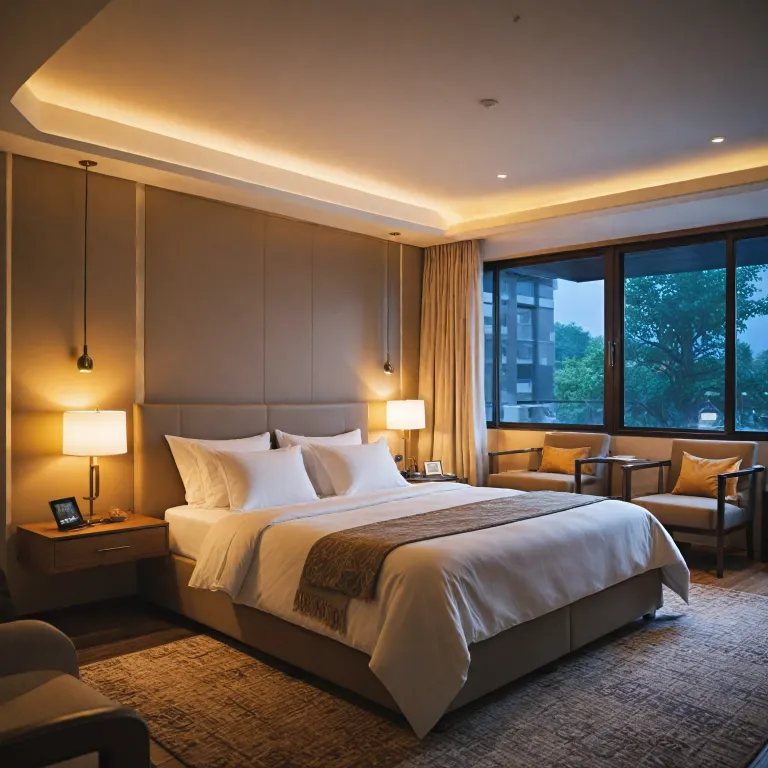
Understanding the essentials of hotel room safety features
Hotel room safety features are the cornerstone of guest security and peace of mind. For risk managers, legal teams, and hospitality insurers, the implementation of robust security measures is not just a regulatory requirement but a strategic imperative. Hotel management plays a pivotal role in ensuring that every room is equipped with effective safety devices, including electronic keycard systems, in-room safes, and advanced door locks. These features are designed to prevent unauthorized access and protect guests’ belongings, reinforcing the secure hotel experience that modern travelers expect.
Room safety begins at the door. The presence of a sturdy lock, a reliable door handle, and a door alarm or wedge can significantly deter potential intrusions. Hotels worldwide are adopting smart surveillance and biometric access controls, integrating IoT devices to enhance both security and convenience. The hotel staff is trained to enforce these protocols, ensuring that every guest room remains a safe haven. Guests are encouraged to check all available locking mechanisms and store valuables in the safe, as part of their personal safety routine.
Travel safety is a shared responsibility. While hotels invest in state-of-the-art security measures, guests must remain vigilant and utilize the provided safety tips. From portable door alarms to secure hotel room doors, every detail contributes to a comprehensive defence strategy. The integration of these features not only minimizes risk but also elevates guest satisfaction and loyalty, which is crucial for hospitality brands.
Technological innovation in hotel room security measures
The evolution of hotel room safety features is marked by rapid technological advancements. Electronic keycards and mobile keys have become standard, with 85% of hotels now utilizing these systems to control room access. This shift has significantly reduced the incidence of unauthorized entry, offering guests a higher level of personal safety. Smart surveillance systems, now present in 60% of hotels, provide real-time monitoring and quick response capabilities, further strengthening the security framework.
Biometric access controls and contactless check-in processes are redefining the guest experience. These innovations not only streamline access but also reduce the risk of key duplication or loss. The integration of portable safety devices, such as door alarms and door wedges, empowers guests to add an extra layer of defence to their hotel room. Legal and risk professionals recognize the importance of these measures in mitigating liability and ensuring compliance with international safety standards.
For those seeking comprehensive guidance on risk management in hospitality, the risk and compliance solutions for hotels page offers valuable insights. As technology continues to advance, the collaboration between hotel management, security technology providers, and specialized legal advisors becomes increasingly vital. This partnership ensures that every hotel room remains a secure environment, fostering trust and peace of mind for all stakeholders.
Legal and insurance perspectives on hotel room safety features
From a legal and insurance standpoint, hotel room safety features are integral to risk mitigation and regulatory compliance. Jurists and insurers closely examine the presence and functionality of security measures, such as electronic locks, in-room safes, and surveillance systems, when assessing liability and coverage. The adoption of advanced safety devices not only protects guests but also shields hotels from potential legal claims arising from theft or injury.
Insurance policies often require hotels to implement specific security measures, including door alarms, portable door locks, and robust access control systems. Failure to comply with these requirements can result in denied claims or increased premiums. Legal advisors play a crucial role in ensuring that hotel management adheres to industry standards and best practices, minimizing exposure to litigation and reputational damage.
For a deeper understanding of the intersection between security and insurance in hospitality, the hotel insurance and risk management resource provides expert analysis. The ongoing collaboration between legal teams, risk managers, and hotel staff is essential for maintaining a secure hotel environment. This synergy not only enhances room safety but also contributes to the overall resilience of the hospitality sector.
Best practices for implementing and maintaining hotel room safety
Effective implementation of hotel room safety features requires a holistic approach. Hotel management must regularly audit and update security measures, ensuring that all devices, from door locks to surveillance cameras, are functioning optimally. Staff training is paramount; every employee should be proficient in enforcing safety protocols and responding to emergencies.
Guests should be encouraged to check all safety features upon arrival, including the door lock, alarm, and in-room safe. Portable safety devices, such as door wedges and travel alarms, offer additional protection and are especially valuable for solo travelers. The use of technology, such as mobile keys and biometric access, should be complemented by clear communication and signage, guiding guests on how to stay safe during their stay. Regular maintenance, guest education, and proactive risk assessments are the pillars of a secure hotel environment. By prioritizing these best practices, hotels can ensure the safety and satisfaction of every guest.
Empowering guests: personal safety tips and portable solutions
Empowering guests with knowledge and tools is a critical aspect of hotel room safety. Simple actions, such as always using all available locks and storing valuables in the safe, can significantly enhance personal safety. Portable door alarms and wedges are practical solutions that travelers can carry, providing an extra layer of defence in any hotel room.
Guests should familiarize themselves with emergency exits and procedures upon check-in. Being cautious with public Wi-Fi networks and using a VPN can protect personal information from cyber threats. The presence of a people logo or safety tips in the room serves as a constant reminder to stay vigilant and proactive.
Travel safety is not limited to physical security; it also encompasses digital and procedural awareness. By adopting these measures, guests contribute to a safer hotel environment for all. The integration of portable safety devices and adherence to recommended practices ensures that every stay is both secure and comfortable.
Collaboration and continuous improvement in hotel security
Collaboration between hotel management, staff, and guests is essential for maintaining high standards of room safety. Regular training sessions and drills ensure that all parties are prepared to respond effectively to emergencies. The adoption of innovative security measures, such as smart surveillance and biometric access, reflects a commitment to continuous improvement.
Partnerships with security technology providers and fire safety equipment manufacturers enable hotels to stay ahead of emerging threats. Legal and risk professionals play a vital role in evaluating and updating safety protocols, ensuring compliance with evolving regulations. The integration of feedback mechanisms, such as newsletter sign-ups and logo fill surveys, allows hotels to monitor guest satisfaction and identify areas for enhancement.
By fostering a culture of safety and collaboration, hotels can achieve lasting peace of mind for guests and stakeholders alike. The ongoing investment in security measures and personal safety initiatives is a testament to the industry’s dedication to excellence.
Expert insights and actionable recommendations for risk professionals
Risk managers and legal advisors are uniquely positioned to drive advancements in hotel room safety features. By leveraging data and expert insights, they can identify vulnerabilities and implement targeted solutions. The integration of advanced door locks, surveillance systems, and portable safety devices is essential for mitigating risk and ensuring guest security.
As one expert advises: "Use all available locks, store valuables in the safe, and be aware of your surroundings." Another expert addresses concerns about in-room safes: "While generally secure, it's advisable to use complex codes and avoid storing extremely valuable items." For those worried about hidden surveillance, the guidance is clear: "Conduct a visual inspection, use your smartphone to detect reflections, and report any suspicions to hotel management." These recommendations underscore the importance of vigilance and proactive measures in maintaining room safety.
Risk professionals should prioritize ongoing education and collaboration with hotel management and staff. By staying informed about the latest security measures and legal requirements, they can ensure that every hotel room remains a safe and welcoming space for travelers. The commitment to continuous improvement and guest empowerment is the foundation of a secure hotel environment.
Key statistics on hotel room safety features
- 85% of hotels have adopted electronic keycard systems for room access control.
- There are 2.5 incidents of hotel room thefts per 1,000 rooms annually.
- 60% of hotels have implemented smart surveillance systems to enhance security.
Frequently asked questions about hotel room safety features
How can I ensure my hotel room is secure?
Use all available locks, store valuables in the safe, and be aware of your surroundings.
Are hotel safes secure?
While generally secure, it's advisable to use complex codes and avoid storing extremely valuable items.
What should I do if I suspect a hidden camera in my hotel room?
Conduct a visual inspection, use your smartphone to detect reflections, and report any suspicions to hotel management.
What are the most effective portable safety devices for hotel rooms?
Portable door alarms, door wedges, and travel locks are highly effective for enhancing personal safety during your stay.
How often should hotel safety features be inspected and maintained?
Hotel safety features should be inspected regularly, with maintenance conducted according to manufacturer guidelines and industry best practices.
References: Hotel Technology Report, Hospitality Safety Association, Global Hotel Security Survey.