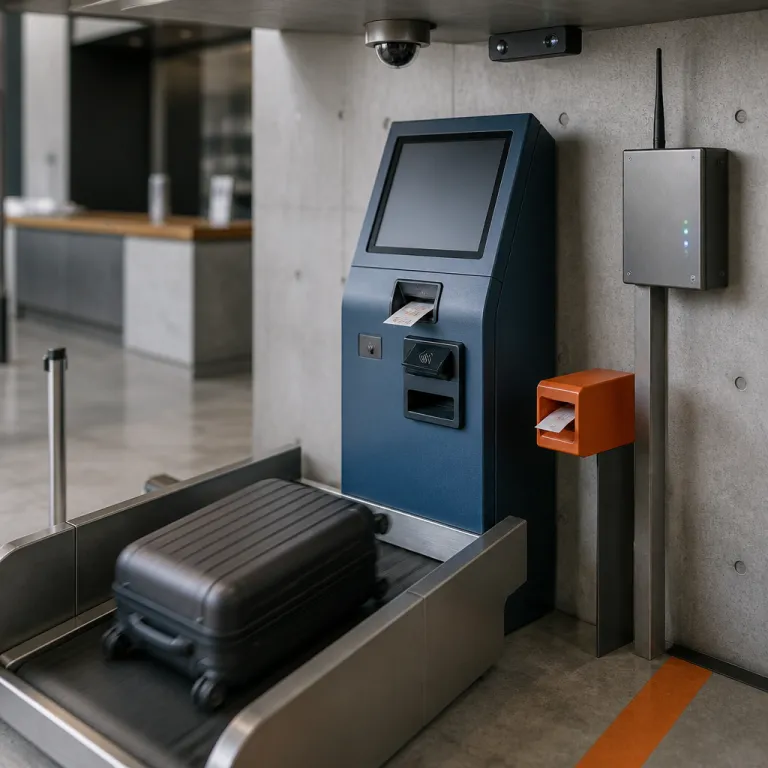
From frictionless lobby to opaque data capture: mapping the self-service touchpoints
Walk through a modern hotel lobby and the first thing a guest meets is often a glowing self service kiosk instead of a human at the front desk. That shift in the check process has quietly turned the lobby into a dense collection point for guest data, where hotel self check-in guest data privacy is shaped less by policy language and more by how check systems are actually configured. For risk management leaders, the question is no longer whether kiosks and mobile check options improve operational efficiency, but whether the hotel can evidence lawful, proportionate and secure handling of every data element flowing through these systems.
Hotel self-service kiosks routinely capture identification documents, payment card details, loyalty identifiers and sometimes biometric templates used for facial recognition during the self check sequence. When hotels layer mobile check applications, in-room tablets and service kiosk devices on top, they add location traces, device identifiers, room usage patterns and real time preferences to the hotel data universe. The hospitality industry has reached a point where self check kiosks and mobile check journeys collect more guest data in one stay than a traditional hotel check process did across several years.
Industry studies show that a majority of hotels now deploy some form of check kiosk or automated check systems in their lobbies, with a non-trivial number of reported data security incidents linked to misconfigured kiosks. That aligns with field observations that many kiosks are treated as hardware projects rather than as high risk data protection assets embedded in core hotel management systems. As one security study bluntly puts it : "Security varies; some have vulnerabilities leading to data breaches."
What the machines really see: biometrics, behavior and the hidden lobby dossier
Behind the polished touchscreens, each kiosk and each mobile check flow is a dense mesh of sensors, logs and analytics that quietly expand the hotel guest profile. A typical self check kiosk will scan passports, capture signatures, tokenize cards, record time stamps and sometimes store partial biometric data, while the surrounding check systems track how long guests spend at each step of the process. When hotels add service kiosk units for upgrades, late check-out or key reissuance, they extend this data capture into the full guest experience lifecycle, often without updating their privacy notices beyond a generic reference to "improving service".
In parallel, in-room tablets and smart room controls feed usage metrics back into central management systems, linking room temperature changes, TV selections or minibar orders to identifiable guest data. Combined with mobile check applications that log geolocation pings and app interaction patterns, the result is a behavioral dossier that goes far beyond what a front desk clerk could ever observe in person. Regulators now view such automated profiling as high risk processing, especially when hotels use it to drive dynamic pricing, targeted offers or automated decisions about upgrades without clear data privacy safeguards.
For risk managers, the operational efficiency gains from kiosks and mobile check options must be weighed against the reality that each new self service touchpoint is a potential data protection incident waiting in the lobby. Hardware audits increasingly reveal service kiosk devices running outdated operating systems, default passwords and unsecured USB access points that undermine even well designed data security policies. A detailed hardware and software review of lobby kiosks, as outlined in this analysis of self check-in terminals as PII stockpiles, is now as critical as a fire safety inspection.
The compliance gap: when privacy policies ignore real data flows
Most hotel privacy statements still read as if the only digital touchpoint were a website booking form and a cookie banner. That narrative collapses once you map the actual guest experience, from the first mobile check notification to the last interaction with a lobby kiosk or in-room tablet, and compare it to what the hotel tells guests about data privacy and data protection. Legal and risk teams routinely find that the documented purposes, retention periods and sharing practices do not match the real time flows between check kiosks, property management systems, payment gateways and analytics platforms.
Under GDPR, hotel management is the data controller for guest data processed through self check kiosks, mobile check applications and other automated systems, even when third party vendors operate the hardware and software. CCPA and newer state privacy laws in the United States add layered rights for hotel guests, including the right to know what hotel data is collected at each self service touchpoint and how it is used, sold or shared. Automated decision making based on past stays, browsing behavior or inferred preferences from room usage can trigger heightened transparency and opt out obligations, especially when it affects pricing, eligibility for offers or access to specific service tiers.
Risk managers should treat the lobby as a live data map and run structured walk throughs of every check process variant, from classic front desk check to full self check via kiosks and mobile devices. Each step should be documented with the concrete data elements captured, the systems they feed, the staff roles with access and the legal basis claimed for processing. A practical playbook for aligning these flows with multi jurisdictional obligations is outlined in this guide to navigating hotel guest data protection laws, which many hospitality industry legal teams now use as a baseline.
Consent architecture without killing the guest journey
Designing consent flows for hotel self check-in guest data privacy is not an academic exercise ; it is a user interface problem with legal consequences. Guests expect a fast, intuitive self check experience at kiosks and on mobile, and they will abandon the process if confronted with dense legal text or multiple mandatory toggles. The challenge for hotel management is to embed meaningful consent, choice and information into the check systems without recreating the very front desk queues that self service was meant to eliminate.
A practical approach is to separate what is strictly necessary for the hotel check process from what is optional, such as marketing personalization, behavioral analytics or third party data sharing. Kiosk and mobile check screens should clearly label which data fields are required for room allocation, payment and security, and which are voluntary enhancements to the guest experience, with default settings that respect data protection by design. Layered notices can provide concise explanations at the point of data capture, with deeper information accessible via QR codes or links for guests who want to understand how their guest data will travel through hotel systems.
Risk and legal teams should work with product and UX designers to prototype consent journeys on real hardware, including service kiosk units and in-room tablets, and test them with actual hotel guests. Observing how people move through the process in real time often reveals where consent is illusory, where privacy information is effectively hidden and where staff intervene in ways that undermine the intended safeguards. This is also the moment to ensure that withdrawal of consent is as easy as granting it, whether at the front desk, via mobile check interfaces or through a dedicated privacy self service portal.
Vendors, contracts and the fight for control of lobby data
Every self check kiosk, mobile key application or in-room tablet is backed by a vendor stack that often has more practical control over guest data than the hotel itself. Contracts for check kiosks and related systems frequently focus on uptime, service levels and integration, while leaving data security, data privacy and data protection obligations in vague or vendor friendly language. For risk managers and juristes, the lobby has become the frontline where allocation of liability for data breaches, unlawful processing or AI misuse must be negotiated clause by clause.
Under GDPR and comparable regimes, hotels remain the primary data controllers even when vendors provide the hardware, software and cloud infrastructure for self service systems. That means hotel management must ensure that data processing agreements specify exactly what guest data the vendor may access, how long it may retain it, what sub processors it may use and how it will support data subject rights requests from hotel guests. Emerging AI governance rules, including the EU AI Act, add another layer when vendors use lobby data to train or operate recommendation engines, fraud detection tools or dynamic pricing models embedded in the guest experience.
Insurance and legal teams should revisit limitation of liability, indemnity and audit clauses in all contracts covering kiosks, mobile check platforms, service kiosk solutions and related hotel data analytics services. The analysis of unfair terms and liability caps in hospitality contracts under the Belgian Code of Economic Law, available in this review of how unfair terms and liability are reshaped in hospitality contracts, offers a useful template for rebalancing risk allocation. The objective is simple : when the lobby collects data without asking, the hotel must still be able to show regulators, insurers and courts that it asked the right questions of its vendors.
FAQ
What data do hotel self-service kiosks usually collect from guests ?
Most hotel self-service kiosks collect identification details, contact information, payment card data and stay preferences as part of the check process. Some kiosk systems also capture biometric elements such as facial images or signatures, along with real time logs of how guests interact with the screens. All of this guest data typically feeds into core hotel management systems and sometimes into third party analytics platforms.
Are hotel self check-in kiosks and mobile check applications secure enough ?
The security of self check kiosks and mobile check solutions varies widely between hotels and vendors. Well managed hotels treat each kiosk, service kiosk and mobile check platform as a critical data security asset, with hardened operating systems, strict access controls and regular penetration testing. Weakly governed deployments often leave default passwords, unpatched software or exposed ports that can turn lobby hardware into an easy entry point for attackers.
Can guests opt out of using self service systems and still check into a room ?
In most properties, guests can still use the traditional front desk for the hotel check process if they are uncomfortable with kiosks or mobile check options. Risk aware hotels train staff to handle such requests without penalty, ensuring that privacy conscious hotel guests receive the same level of service. From a data protection perspective, maintaining a staffed alternative to self service systems is a practical safeguard against coercive consent.
How should hotels handle vendor access to lobby and room usage data ?
Hotels should treat every vendor connected to check systems, kiosks, in-room tablets or mobile applications as a data processor under strict contractual control. Data processing agreements must define which hotel data the vendor can access, how it secures that data and what happens in case of a breach or regulatory investigation. Regular audits and clear technical standards for data security and data privacy are essential to keep control of guest data that flows through third party systems.
What can guests do if they are concerned about hotel self check-in guest data privacy ?
Guests who are concerned about hotel self check-in guest data privacy can ask to complete the check process at the front desk and request a copy of the hotel privacy notice. They can also exercise their rights under GDPR, CCPA or other applicable laws to access, correct or delete their guest data held in hotel systems. When in doubt, guests should ask staff which systems store their information and how long the hotel plans to retain it.