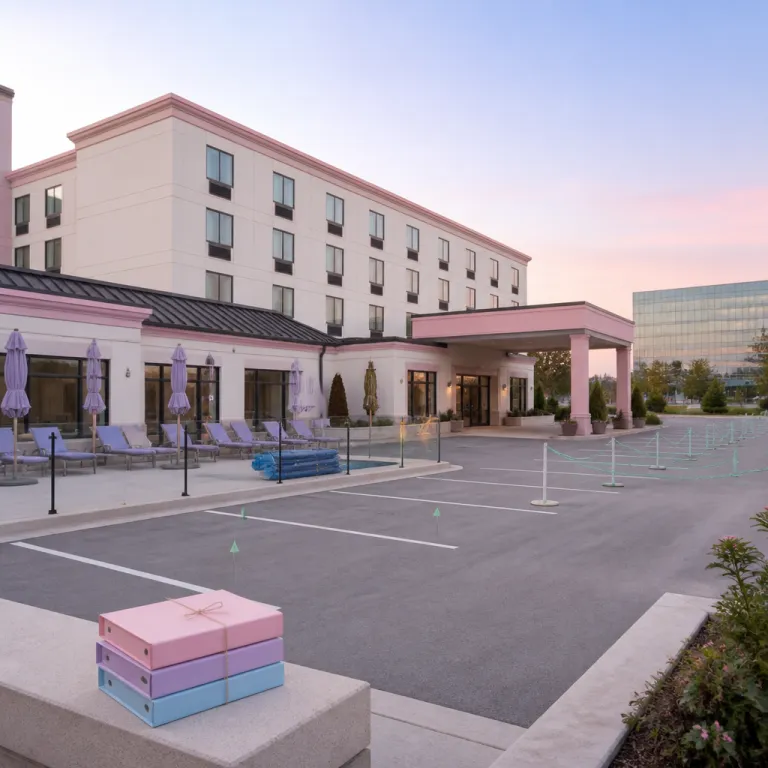
When hotel insurance stops being a routine renewal
For many hotel owners, hotel insurance has long felt like an annual procurement chore. Once a year the insurance agency sends a reminder, the insurance agents collect updated occupancy and revenue data, and the business signs off on renewed coverage with minimal debate. That rhythm breaks abruptly when an insurance company signals a pullback, especially on commercial property and liability coverage for hotels motels in higher risk locations.
Wildfire, flood and convective storm risks are now reshaping how underwriters view hotel portfolios. Swiss Re data shows wildfire is the fastest growing catastrophe peril globally, with insured losses climbing roughly 12 percent annually, and that trend is pushing more hotel insurance programs into surplus lines markets instead of traditional admitted lines. When a carrier exits or tightens terms, the conversation shifts from price to survival, and hotel owners suddenly confront how exposed their property, equipment and liability coverage really are.
For risk managers and directions générales, this is not just an insurance problem. It is a commercial problem that touches RevPAR, ADR and the ability to keep hotels open after major property damage or business interruption. The preferred underwriters that once competed aggressively for hotels now triage risks, and some well run hotels find themselves in a hard place where only surplus lines capacity or state backed plans remain. Renewal season becomes a strategic review of risk, coverage structure and the resilience story you can credibly present to underwriters.
What the expansion of surplus lines really means for hotels
When a carrier pulls back from a region, many hotels are pushed toward excess and surplus lines for both commercial property and general liability. For hotel insurance buyers used to admitted insurance programs, this shift changes everything from policy wording to how claims are handled. Surplus lines underwriters can be more flexible on unusual risks, but they also expect more sophisticated risk information and accept fewer ambiguities in liability insurance and property coverage.
In practice, a coastal hotel or a resort in a wildfire corridor may now place its primary property layer with a surplus lines insurance company while keeping workers compensation and professional liability with admitted carriers. That split structure complicates how insurance agents coordinate limits, deductibles and hotel umbrella layers across multiple lines of business insurance. It also means that hotel owners must understand which protections are backed by state guaranty funds and which are not, because surplus lines policies generally sit outside those safety nets.
For risk managers, the key is to treat surplus lines as a strategic tool, not a last resort. A strong submission that highlights sprinkler retrofits, defensible space against wildfire and upgraded fire detection equipment can make a hotel a preferred risk even in a stressed market. The same hotel insurance renewal that once focused on premium now becomes a negotiation over tailored insurance solutions, where agents and underwriters trade data about risks, claims history and resilience investments to help protect both the hotel and the carrier’s balance sheet.
For a deeper look at how specialty markets reshape hospitality risk, the analysis of marine and catamaran insurance for travel stakeholders offers a useful parallel for hotels navigating surplus lines dynamics.
Resilience based underwriting: how your property is now judged
Underwriting for hotel insurance has moved away from a simple postcode and construction type matrix. Underwriters now drill into how each hotel manages risk on the ground, from fire safety to cyber hygiene, and they price commercial property and liability coverage accordingly. Two hotels on the same street can receive radically different terms if one has hardened its property and equipment while the other has deferred maintenance.
For property risk, carriers want evidence of real resilience, not just policies on paper. They look at roof age, fire doors that actually close, compartmentation, kitchen suppression systems, and whether the hotel has cleared vegetation to create defensible space in wildfire exposed regions. In high hazard zones, some insurance company appetites now depend on whether the hotel has invested in back up power, water supply for sprinklers and staff training that turns a fire drill into a nine minute evacuation, not a box ticking exercise.
Liability coverage is undergoing the same scrutiny. Underwriters assess how hotels motels manage guest safety, contractor controls, pool supervision and liquor service, because these factors drive general liability and professional liability claims frequency. A hotel that can show incident logs, root cause analysis and corrective actions will often secure better insurance solutions, even in a hard place market. For booking related exposures, the detailed framework in the piece on the strategic role of insurance for hotel bookings illustrates how operational discipline translates directly into more favorable underwriting.
Timing the renewal: why waiting for quotes is now a liability
In a stable market, many hotels treated renewal as a late stage negotiation. The insurance agency would send expiring terms, agents would remarket the risk a few weeks before expiry, and hotel owners would compare premiums with limited time to challenge exclusions or sublimits. That approach fails when carriers are restructuring hotel insurance portfolios and pulling back from entire regions or classes of business.
Today, risk managers need to start the renewal conversation at least 120 days before policy expiry, especially for layered commercial property and hotel umbrella structures. Early engagement gives underwriters time to review updated risk engineering reports, site inspections and capital expenditure plans that show how the hotel is reducing risks. It also allows insurance agents to coordinate multiple lines of coverage, from workers compensation and general liability to professional liability and cyber, so that gaps do not emerge when one insurance company changes appetite.
From a commercial perspective, timing is now a lever for negotiating better insurance programs. Hotels that present a clear view of their risk profile, claims trends and resilience investments early in the cycle often become preferred clients for constrained capacity. They can secure more stable liability insurance and property coverage while competitors scramble in the last weeks and accept whatever surplus lines terms are left. For a detailed breakdown of how integrated liability and property strategies can help protect hospitality assets, the analysis on strategic liability and property coverage for hospitality risk leaders is a valuable reference.
Auditing coverage gaps when carriers restructure policies
When an insurer pulls back, it rarely just walks away from hotel insurance without adjusting terms first. More often, risk managers see higher deductibles, new sublimits for wind or wildfire, narrower business interruption triggers, and tighter definitions of property damage. Those quiet changes can leave hotels motels with serious uninsured risks, even when headline limits for commercial property and liability coverage appear unchanged.
A disciplined coverage audit starts with mapping every line of business insurance against real world loss scenarios. For example, a regional wildfire might not physically damage the hotel, but smoke contamination and access restrictions could shut down operations for weeks, raising questions about how business interruption, civil authority and contingent business coverage respond. Similarly, a guest injury at a pool may trigger general liability, professional liability for lifeguard services and even workers compensation if staff are involved, so exclusions or low sublimits in any of those lines can undermine the overall insurance solutions.
Legal and risk teams should pay particular attention to how hotel umbrella policies sit above primary general liability and commercial property layers. In some restructurings, umbrella forms now exclude key perils or impose separate aggregates for certain types of claims, which can surprise hotel owners during a major event. A thorough review with experienced insurance agents and coverage counsel can help protect clients from these hidden gaps, ensuring that insurance programs remain aligned with the hotel’s risk appetite and lender requirements even as carriers adjust underwriting strategies.
Separating cyber, liability and operational risk in the renewal strategy
Many hotels still treat cyber, general liability and property insurance as a single renewal conversation. That bundling made sense when one insurance company wrote multiple lines and offered discounts for package business. As carriers recalibrate their appetite for different risks, however, hotel insurance buyers need a more segmented strategy that recognises how cyber, liability coverage and commercial property now move on different underwriting cycles.
Cyber risk for hotels is increasingly driven by payment systems, loyalty databases and third party distribution platforms, not just in house equipment. Underwriters for cyber lines focus on multi factor authentication, endpoint protection, incident response playbooks and vendor management, which are very different levers from those that drive workers compensation or general liability pricing. Treating cyber as a separate negotiation allows risk managers to present a focused view of controls and incident history, often securing better terms even when property and liability insurance markets are hard.
At the same time, operational risk improvements can still support the broader hotel insurance narrative. A hotel that invests in staff training, contractor controls and crisis management drills will see fewer liability claims and more predictable loss patterns across multiple lines of coverage. When renewal season arrives and some carriers pull back, that track record helps underwriters view the hotel as a preferred risk rather than a distressed placement in surplus lines, giving the business more options to structure resilient insurance programs that genuinely help protect long term asset value.
Key figures reshaping hotel insurance and liability coverage
- Wildfire is the fastest growing catastrophe peril globally, with insured losses increasing by about 12 percent annually according to Swiss Re’s sigma research, which directly affects commercial property pricing for hotels in exposed regions.
- The January Los Angeles fires generated approximately 53 billion USD in total losses and 40 billion USD in insured losses, setting a new wildfire loss record and accelerating carrier pullbacks from high risk property markets.
- In several U.S. states, the share of property risks placed in excess and surplus lines markets has more than doubled over the past decade, pushing many hotels motels into non admitted insurance programs for the first time.
- Industry surveys of hospitality risk managers indicate that more than half of large hotel groups now start renewal discussions at least 120 days before expiry, compared with less than one third a decade ago, reflecting the complexity of multi line business insurance placements.
- Cyber incidents in hospitality, including payment card breaches and ransomware, consistently rank among the top three sources of large liability insurance claims, reinforcing the need to separate cyber underwriting from traditional general liability negotiations.
FAQ: hotel insurance renewal when carriers pull back
How does a carrier pullback change hotel insurance strategy ?
When a carrier reduces appetite or exits a region, hotels often lose long standing terms on commercial property and liability coverage and must approach new underwriters, sometimes in surplus lines markets. That shift forces risk managers to present more detailed risk data, reconsider limits and deductibles, and potentially restructure hotel umbrella and business interruption layers. The renewal becomes a strategic exercise in risk financing rather than a simple price comparison.
Why are more hotels using surplus lines for property coverage ?
Rising catastrophe losses, especially from wildfire and severe storms, have made some admitted carriers reluctant to write high limit commercial property in exposed areas. As a result, many hotels motels now rely on excess and surplus lines insurers that can price and structure complex risks more flexibly but operate outside state guaranty funds. This trend requires closer collaboration with insurance agents to understand policy wording, claims processes and counterparty strength.
What should hotel owners audit first when policies are restructured ?
Hotel owners should start with business interruption terms, sublimits for key perils such as flood or wildfire, and any new exclusions affecting general liability or professional liability. They also need to review how hotel umbrella policies sit above primary layers to ensure that aggregates, drop down provisions and follow form language still match the hotel’s risk profile. A line by line comparison of expiring and renewal policies is essential to avoid hidden gaps.
How early should hotels engage underwriters before renewal ?
For complex hotel insurance programs with multiple lines and layered limits, engaging underwriters at least 120 days before expiry is now standard practice. Early dialogue allows time for site visits, updated risk engineering reports and negotiation of terms across property, liability insurance, workers compensation and cyber. Hotels that wait until the last month often face fewer options and tougher pricing, especially when carriers are pulling back capacity.
Should cyber insurance be renewed separately from other lines ?
Separating cyber from the main property and liability renewal often leads to better outcomes, because cyber underwriters focus on different controls and loss drivers. A dedicated cyber negotiation lets hotels highlight security investments, incident response capabilities and vendor oversight without being overshadowed by catastrophe exposed property risks. This approach can secure more stable limits and pricing for cyber even when the broader hotel insurance market is hardening.