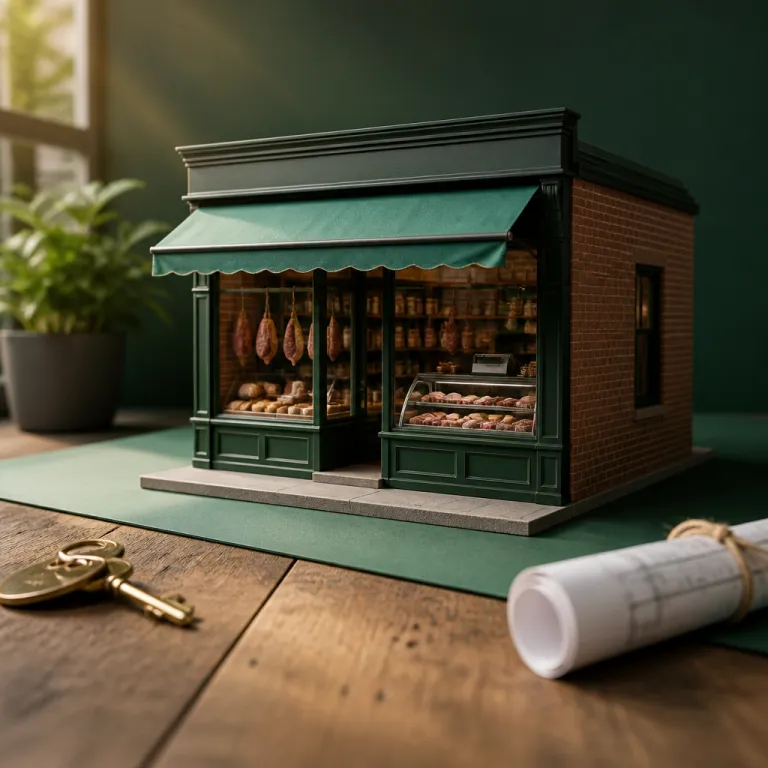
Why deli insurance matters for hospitality risk portfolios
Risk managers in hospitality increasingly face deli insurance questions when mixed use assets include a ground floor deli or sandwich shop. These small food business tenants change the liability profile of a hotel or serviced residence, because a single sandwich prepared in haste can trigger a cluster of food poisoning claims. For directions générales and juristes, the presence of one deli or several delis inside a hospitality property will reshape how liability coverage, property insurance, and cyber protections are structured across the entire site.
From an insurance perspective, a deli business is not a simple retail shop, because hot food, cold storage, and dense customer traffic create overlapping risks that standard shop insurance rarely anticipates. A tailored insurance policy for each sandwich shop, aligned with the master insurance business programme of the hotel owner, will reduce grey zones between general liability, property damage, and business interruption. When business owners and insurers ignore these interfaces, a single grease fire in a sandwich shop kitchen can escalate into a multi party dispute over which owner policy or liability insurance should respond first.
Hospitality risk leaders therefore need a structured view of the different types insurance that apply when a deli operates inside or adjacent to a hotel, resort, or travel hub. The core layers usually combine general liability for bodily injury and food related incidents, property insurance for equipment and fit out, and compensation insurance for workers compensation obligations. When these layers are harmonised, deli insurance ceases to be a marginal add on and becomes a stabilising element in the wider insurance policy architecture of the hospitality group.
Liability coverage for foodborne illness, slips, and shared spaces
Liability coverage is the first lens through which risk managers should analyse deli insurance in hospitality environments. A deli or sandwich shop serving hotel guests, external passers by, and delivery riders concentrates bodily injury exposures in a few square metres, from slip and fall accidents to allergic reactions to food. When several sandwich shops share a lobby or food court, the allocation of liability between each business owner and the property owners must be contractually precise.
For juristes drafting leases, the insurance policy language should clearly state which liability insurance responds to injuries in shared corridors, queueing areas, and terrace seating. One practical approach is to require each deli business to maintain general liability with specified limits, for example 1 million dollars per occurrence and 2 million dollars in the aggregate, while the hotel maintains umbrella shop insurance for common areas and vertical circulation. This structure helps avoid gaps similar to the endorsement issues already seen in complex leisure risks, such as those analysed in specialist commentary on liability gaps in children’s programmes and water parks.
Workers compensation and workers comp exposures also intersect with liability coverage when employees of the deli work in back of house corridors or shared loading bays. A robust owner policy should require each deli to carry workers compensation and compensation insurance that mirrors the standards of the host hotel, including clear waivers of subrogation where appropriate and additional insured status for the landlord and hotel operator. When a customer trips over a delivery crate or suffers burns from spilled hot food, the clarity of these liability coverage provisions will determine whether claims handling is swift and fair or prolonged and contentious.
Property insurance, equipment risk, and vertical fire exposure
Property insurance for delis inside hospitality assets must account for far more than the replacement value of a few fridges and counters. A small fire starting in a sandwich press or other equipment can travel rapidly through ducting and service shafts, causing property damage on multiple hotel floors above the shop. For insurers and risk managers, deli insurance therefore becomes a critical control point in the overall fire and smoke strategy of the building.
Every insurance policy covering a deli business should list key equipment, including cooking appliances, refrigeration units, and point of sale systems, with realistic values and maintenance obligations. Business owners often underestimate the cost of specialised food equipment, which leads to underinsurance and disputes when property damage occurs after a power surge or sprinkler discharge. A frequently cited industry case involved a lobby deli where a short circuit in a display fridge triggered a night time fire; the shop was insured for only half of its actual fit out cost, and the resulting co insurance penalty significantly reduced the claim payment and delayed reopening.
Directions générales should align the deli insurance property coverage with the hotel’s own owner policy, so that debris removal, smoke cleaning, and code upgrades are coordinated rather than fragmented. Claims experience in hospitality theft and damage cases, such as those examined in analyses of hotel theft policies and liability, shows that misaligned deductibles and inconsistent wording slow recovery. When property insurance for the deli, the master shop insurance, and any separate insurance business programme for the landlord are harmonised, the entire asset returns to normal work more quickly after a loss.
Business interruption, cost structures, and the economics of deli insurance
For risk managers and insurers, the economic logic of deli insurance rests on how well business interruption is modelled for both the deli and the host hospitality property. A closed sandwich shop in a hotel lobby reduces guest satisfaction and ancillary revenue, while a prolonged shutdown of the entire building after a kitchen fire can threaten the viability of several delis and other tenants. When structuring business insurance, the cost of premiums must be weighed against realistic downtime scenarios, not optimistic reopening assumptions.
Dataset figures showing that almost all United States companies are small businesses, and that nearly half of the national workforce is employed by them, underline how fragile many deli owners are when a serious loss occurs. According to the U.S. Small Business Administration 2023 Small Business Profile, 99.9 percent of U.S. firms are classified as small and they employ around 46 percent of the private workforce, which reinforces the importance of resilient coverage for small food operators. For a single deli business, a tailored insurance policy that includes business interruption, extra expense, and contingent business income can mean the difference between survival and permanent closure.
Typical annual cost ranges for comprehensive deli insurance, often between 2 500 and 7 500 dollars, are consistent with industry pricing benchmarks for small food service operations and with carrier rate filings summarised in broker market reports. Hospitality groups acting as business owners or master lessors should also consider how their own insurance business structures can help or hinder small food tenants during a crisis. Coordinated owner policy wording, shared risk engineering, and joint emergency planning will help delis reopen faster and maintain employment for their workers.
Cyber, payment data, and reputational risk in deli operations
Cyber exposures linked to deli operations are often underestimated in hospitality risk assessments, even though most sandwich shops now rely on cloud based point of sale systems. A breach of payment data in a busy deli or sandwich shop located inside a hotel can damage the reputation of both the food business and the host brand. For insurers, integrating cyber coverage into deli insurance is no longer optional when the same Wi Fi networks and loyalty programmes serve both hotel guests and deli customers.
Risk managers should require each deli business to implement basic cyber hygiene, including segmented networks, regular software updates, and staff training on phishing, before cyber coverage is bound. When cyber incidents coincide with physical events, such as a power outage that disrupts refrigeration equipment and corrupts digital inventory records, claims can quickly span property damage, food spoilage, and cyber liability. A well drafted insurance policy will clarify how cyber extensions interact with property insurance and general liability, avoiding disputes over which section responds first.
Hospitality groups that already manage complex event risks, as analysed in specialist discussions of festival insurance and live event risk management, can transfer similar governance frameworks to deli operations. Clear incident response plans, predefined communication templates, and coordinated work between legal advisors and cyber insurers will help protect both the deli owners and the overarching hospitality brand. When customers trust that their payment data and personal information are handled securely, they are more likely to return to the same delis and recommend the wider property.
Workers, safety culture, and legal responsibilities in shared hospitality spaces
Workers in delis located inside hotels or travel hubs operate in a dense risk environment that combines hot surfaces, sharp tools, and constant customer interaction. For juristes and insurers, workers compensation and workers comp arrangements must reflect this complexity, especially when staff move between the deli and shared back of house areas. A strong safety culture, supported by clear training and supervision, will reduce both injury frequency and the long term cost of compensation insurance.
Owner policy requirements should oblige each deli business owner to maintain workers compensation that complies with local law and mirrors the standards applied to hotel staff. When incidents occur, such as cuts, burns, or musculoskeletal injuries from repetitive sandwich preparation work, coordinated claims handling between the deli insurance carrier and the hotel’s insurer will prevent coverage disputes. Legal advisors should also ensure that contracts address joint safety responsibilities, including maintenance of equipment, cleaning of shared floors, and emergency evacuation procedures.
From a governance perspective, business owners and directions générales should treat deli workers as an integral part of the hospitality risk ecosystem rather than as peripheral staff. Regular joint drills, shared reporting channels for near misses, and harmonised personal protective equipment standards will help align expectations across all shops and food outlets. When workers feel protected and informed, they are more likely to report hazards early, which in turn reduces liability, property damage, and the overall cost of deli insurance programmes.
Key statistics for deli insurance in hospitality environments
- In the United States, 99.9 % of all companies are classified as small businesses, which means most deli owners operating in or near hotels have limited capital buffers and rely heavily on effective business insurance (source : U.S. Small Business Administration, 2023 Small Business Profile).
- Small businesses employ approximately 46 % of the United States workforce, so robust workers compensation and compensation insurance for deli workers directly supports national employment stability (source : U.S. Small Business Administration, 2023 Small Business Profile).
- Comprehensive deli insurance, including liability coverage, property insurance, and business interruption, typically costs between 2 500 and 7 500 dollars per year for a single location, a range that risk managers should use as a baseline when negotiating multi site hospitality programmes (source : industry pricing benchmarks and carrier rate filings for small food service businesses).
FAQ about deli insurance for hospitality risk leaders
Is deli insurance legally mandatory for a deli inside a hotel ?
Deli insurance is generally not legally required, but it is strongly recommended by insurers and legal advisors because landlords and hotel operators almost always make appropriate coverage a contractual condition of the lease. Without liability insurance, property insurance, and workers compensation in place, a deli business may be in breach of its agreements and exposed to uninsured losses. Risk managers should therefore treat deli insurance as a de facto requirement for any food tenant in a hospitality asset.
What does a comprehensive deli insurance policy usually cover ?
A well structured deli insurance policy typically covers general liability for bodily injury and food related incidents, property damage to equipment and fit out, and business interruption following an insured event. Many policies also include or offer options for workers compensation, cyber coverage for payment data breaches, spoilage of food due to equipment failure or power loss, and endorsements such as hired and non owned auto liability for delivery services. Hospitality risk leaders should ensure that these elements align with the master shop insurance and owner policy for the building.
How much will deli insurance cost for a single location ?
The cost of deli insurance varies by location, turnover, claims history, and the scope of coverage selected, but typical annual premiums often fall between 2 500 and 7 500 dollars for a single deli business. Higher limits for liability coverage, broader property insurance, and extended business interruption periods will increase the cost, while strong risk management and safety protocols can help reduce it. Insurers usually reassess pricing at each renewal, so continuous improvement in safety and loss control work is financially beneficial.
How can hotel risk managers help deli owners improve insurability ?
Hotel risk managers can help deli owners by sharing fire safety standards, food handling protocols, and cyber security guidelines that already apply to the wider property. Joint training sessions, coordinated emergency drills, and regular inspections of equipment and storage areas will reduce both liability and property damage exposures. A practical checklist for leases can include minimum liability limits, additional insured wording, waiver of subrogation, primary and non contributory status, and evidence of business interruption coverage for at least six to twelve months.
What role do legal advisors play in structuring deli insurance in hospitality assets ?
Legal advisors draft and negotiate lease clauses that allocate responsibility for insurance, safety, and indemnity between deli owners, landlords, and hotel operators. They ensure that each insurance policy, from general liability to workers compensation, is consistent with contractual obligations and local regulation. By aligning legal language with practical risk management, juristes help prevent disputes when claims arise and support smoother collaboration between all parties.