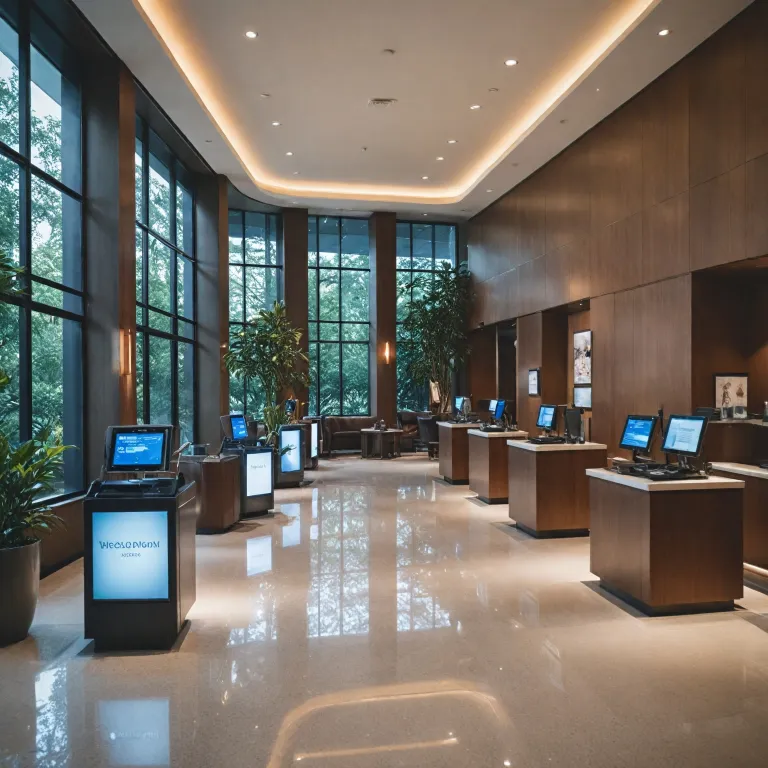
Transforming hotel operations with automation: a risk and compliance perspective
Hotel automation is redefining the hospitality industry by streamlining systems and enhancing both guest and staff experiences. Risk managers and legal professionals are increasingly focused on how automation tools and technology impact operational efficiency, compliance, and data security. Automated systems, such as property management software and building automation solutions, are now integral to hotel operations, reducing time-consuming manual processes and supporting real-time decision-making.
Hotels must carefully evaluate the legal and assurance implications of integrating automation software. The deployment of management systems and automation solutions requires robust data protection measures, especially as guest data and service requests are processed in real time. Automated check-in and check-out systems, for example, must comply with privacy regulations and ensure that guest experience is not compromised by technology failures or data breaches.
Operational efficiency is a key driver for hotel automation, but risk managers must also consider the potential for system failures or cyber threats. By leveraging advanced automation tools and software, hotels can achieve dynamic pricing, optimize revenue management, and improve staff focus on high-value guest interactions. However, the legal framework around automation hotel deployments must address liability, contractual obligations with technology providers, and ongoing compliance monitoring.
Automation solutions also support sustainability goals by integrating intelligent room controls and energy management systems. These systems not only enhance guest comfort but also contribute to cost savings and regulatory compliance. As hotels adopt more sophisticated management systems, collaboration between risk, assurance, and legal teams becomes essential to ensure that automation aligns with both operational and regulatory requirements.
Legal and assurance challenges in hotel automation implementation
The implementation of hotel automation presents unique legal and assurance challenges that require specialized expertise. Risk managers and legal advisors must assess the contractual relationships with technology providers, ensuring that service level agreements for automated systems and software are robust and enforceable. This is particularly important as hotels rely on automation tools for critical functions such as front desk operations, property management, and guest service requests.
Automation solutions often involve the integration of multiple systems, including building automation, revenue management, and operational efficiency platforms. Each system introduces potential legal risks, from intellectual property concerns to liability for service interruptions or data breaches. Assurance professionals must conduct thorough due diligence on automation software vendors, verifying their compliance with industry standards and data protection laws.
Guest experience is at the heart of hotel automation, but legal teams must ensure that automated processes do not inadvertently violate consumer rights or hospitality regulations. For example, dynamic pricing algorithms must be transparent and non-discriminatory, while automated check-in systems must accommodate guests with accessibility needs. The complexity of these legal and assurance issues underscores the importance of cross-functional collaboration within hotels and with external advisors.
To address these challenges, hotels are increasingly turning to specialized legal and assurance consultants who understand the nuances of automation hotel deployments. These experts help draft contracts, develop compliance frameworks, and provide ongoing risk assessments to support safe and effective automation adoption. For a deeper dive into legal frameworks for automation in hospitality, visit our resource on legal compliance in hotel automation.
Enhancing operational efficiency and revenue management through automation
Operational efficiency is a primary objective for hotels adopting automation tools and systems. By automating time-consuming tasks such as room allocation, service requests, and front desk operations, hotels can reallocate staff focus to personalized guest service and strategic management. Automation software enables real-time monitoring of hotel operations, allowing for swift responses to guest needs and operational issues.
Revenue management is another area where hotel automation delivers significant benefits. Automated systems and management software support dynamic pricing strategies, optimizing room rates based on demand, seasonality, and market trends. This data-driven approach enhances revenue while ensuring that guests receive competitive pricing and value-added services. Automation solutions also facilitate seamless integration between property management, revenue management, and guest experience platforms.
Building automation and intelligent room controls contribute to operational efficiency by reducing energy consumption and maintenance costs. These systems provide real-time data on occupancy, temperature, and energy usage, enabling hotels to make informed decisions that support sustainability and cost savings. The integration of automation hotel solutions across multiple departments ensures a cohesive approach to operational excellence.
For more on optimizing revenue and efficiency with automation, explore our article on automation-driven revenue management in hospitality.
Data protection, privacy, and compliance in automated hotel systems
As hotels embrace automation, data protection and privacy become critical components of risk management and legal compliance. Automated systems process vast amounts of guest and operational data, making robust cybersecurity measures essential. Risk managers must ensure that automation software and management systems comply with data protection regulations, such as the General Data Protection Regulation (GDPR) and local privacy laws.
Automation tools, including property management and building automation systems, must be designed with privacy by default. This includes secure data storage, encrypted communications, and strict access controls for staff. Automated service requests and guest interactions should be logged and monitored to detect and respond to potential security incidents in real time. The use of artificial intelligence and Internet of Things (IoT) devices further complicates the data landscape, requiring continuous risk assessments and updates to security protocols.
Legal teams play a vital role in drafting data processing agreements with technology providers and ensuring that automated systems meet both contractual and regulatory requirements. Assurance professionals must conduct regular audits of automation solutions to verify compliance and identify areas for improvement. The integration of automation hotel systems across multiple platforms increases the complexity of data governance, necessitating a holistic approach to privacy and security.
Hotels are advised to plan sufficient time for staff training and system implementation, as well as to stay informed about evolving data protection standards. The quote, "Berücksichtigen Sie die Datenschutzbestimmungen bei der Einführung neuer Technologien," underscores the importance of privacy considerations in every stage of automation deployment.
Staff focus and guest experience: balancing automation and human touch
Hotel automation is transforming the roles of staff and the overall guest experience. Automated systems and tools handle repetitive, time-consuming tasks, allowing staff to focus on delivering high-quality, personalized service. This shift enhances operational efficiency while ensuring that guests receive attentive and responsive care throughout their stay.
Automation hotel solutions, such as automated check-in kiosks and intelligent room controls, streamline the guest journey from arrival to departure. However, it is essential to maintain a balance between technology and human interaction. Guests value the convenience of automation, but they also expect empathetic service and immediate assistance when needed. Hotels must design automation strategies that complement, rather than replace, the expertise and warmth of their staff.
Training and change management are critical to successful automation adoption. Staff must be equipped with the skills to manage automated systems, interpret real-time data, and resolve service requests efficiently. The quote, "Die Automatisierung kann repetitive Aufgaben übernehmen, sodass sich das Personal auf hochwertigere Dienstleistungen konzentrieren kann," highlights the positive impact of automation on staff roles and guest satisfaction.
By leveraging automation tools and management systems, hotels can create a seamless and memorable guest experience. The integration of automation software across front desk, room management, and service platforms ensures consistency and reliability, while allowing staff to focus on building meaningful guest relationships.
Future trends and innovation in hotel automation for risk and assurance professionals
The future of hotel automation is shaped by continuous innovation and the evolving needs of the hospitality industry. Risk managers, legal advisors, and assurance professionals must stay abreast of emerging technologies and regulatory developments to guide successful automation strategies. The integration of artificial intelligence, IoT devices, and advanced management systems is driving new levels of operational efficiency and guest personalization.
Hotels are increasingly adopting automation solutions that leverage real-time data and predictive analytics to anticipate guest needs and optimize resource allocation. The use of chatbots for customer service, intelligent energy management systems, and dynamic pricing algorithms are becoming standard features in modern hotel operations. The quote, "Die Hotelautomatisierung bietet Vorteile wie erhöhte Betriebseffizienz, verbesserte Gästeerlebnisse und reduzierte Betriebskosten," encapsulates the transformative potential of automation in hospitality.
Collaboration with technology providers and specialized consultants is essential for navigating the complex landscape of automation hotel deployments. Hotels must invest in ongoing staff training, system upgrades, and compliance monitoring to ensure that automation delivers sustainable value. As the hospitality industry continues to evolve, risk and assurance professionals will play a pivotal role in shaping the future of hotel automation, balancing innovation with regulatory and ethical considerations.
Key statistics on hotel automation adoption and impact
- 75% of hotels utilize artificial intelligence for automation, according to NetSuite.
- Intelligent room control systems deliver up to 20% energy savings, as reported by Pacific Controls.
Frequently asked questions about hotel automation in risk, assurance, and legal contexts
What are the benefits of hotel automation?
Hotel automation offers increased operational efficiency, improved guest experiences, and reduced operational costs. Automated systems streamline processes, allowing staff to focus on higher-value services and enhancing overall property management.
Which technologies are used in hotel automation?
Key technologies include property management systems (PMS), artificial intelligence (AI), and Internet of Things (IoT) devices. These systems enable real-time data processing, dynamic pricing, and intelligent building automation for hotels.
How does automation affect hotel staff?
Automation can handle repetitive tasks, freeing staff to concentrate on delivering premium guest services. This shift allows for greater staff focus on guest experience and operational efficiency.
What should hotels consider when implementing automation?
Hotels should research available automation solutions and providers, allocate sufficient time for implementation and staff training, and ensure compliance with data protection regulations throughout the process.