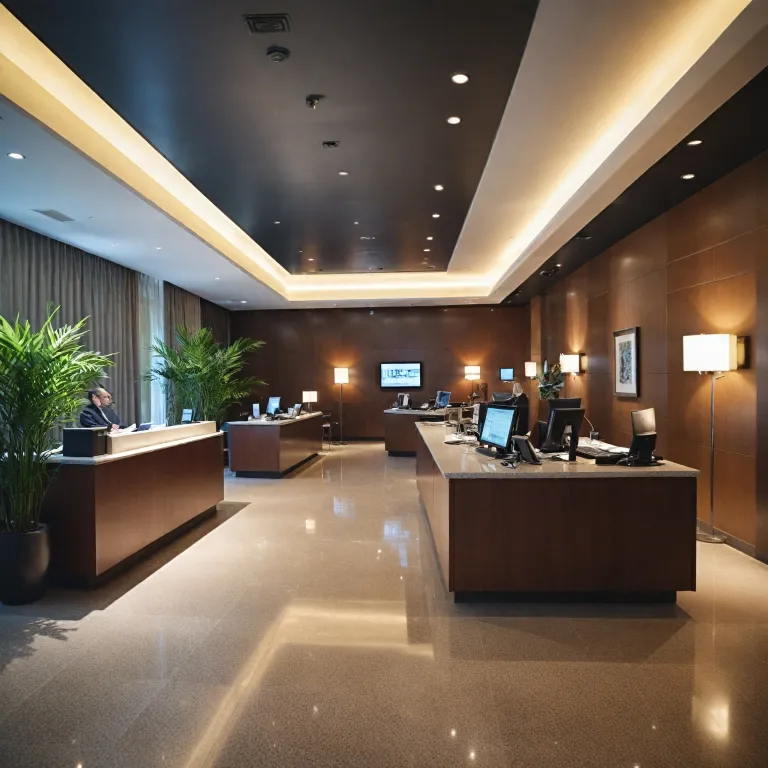
Leveraging agentic systems for robust hotel workflow optimization
In the hospitality sector, the integration of agentic systems has become a cornerstone for achieving an opimierter wokflow hotels approach. These systems, which combine advanced models, tools, and components, enable hotels to automate manual processes and orchestrate complex operations. By embedding agentic and local agentic capabilities within their infrastructure, hotels can streamline data analysis, improve access controls, and ensure that each layer of their architecture supports both operational efficiency and compliance. The use of cloud infrastructure and cloud-based models llms further enhances scalability, allowing risk managers and legal teams to adapt quickly to regulatory changes and evolving guest expectations.
Agentic systems also facilitate the orchestration of multiple models and systems, ensuring that data flows seamlessly between departments. For example, integrating a protocol mcp or context protocol within the system architecture allows for secure and efficient data exchange. This is particularly relevant for risk managers and legal professionals, who require transparent audit trails and robust access systems. The implementation of mcp servers and machine learning models within these workflows not only optimizes routine tasks but also provides actionable insights for strategic decision-making. As a result, hotels can achieve a higher level of assurance and risk mitigation while maintaining a user-centric experience.
Integrating advanced tools and components for seamless operations
The deployment of specialized tools and components is essential for realizing an opimierter wokflow hotels framework. Solutions such as Hotelogix PMS and HotelTools.AI exemplify how agentic tools and models can automate personal planning and resource allocation. These tools utilize data-driven models and machine learning algorithms to predict occupancy trends, optimize staff schedules, and reduce labor costs. According to industry data, the use of such tools can lead to average labor cost savings of 10%, highlighting the tangible benefits of integrating agentic components into hotel operations.
Furthermore, the orchestration of these tools within a unified system architecture ensures that each component works harmoniously with others. For instance, Ottimate’s AP automation tool leverages cloud infrastructure and model context to streamline accounts payable processes, reducing errors and enhancing compliance. The integration of access controls and secure data protocols within these systems is critical for maintaining the integrity of sensitive information. By adopting a holistic approach to tool and component integration, hotels can create a resilient operational environment that supports both efficiency and legal compliance. For a deeper dive into the benefits of digital transformation in hospitality, explore our comprehensive guide to digital hotel operations.
Building resilient system architectures for risk and assurance
Developing a robust system architecture is fundamental to supporting an opimierter wokflow hotels strategy. This involves designing a multi-layered infrastructure where each layer—from the user interface to the backend cloud infrastructure—supports secure and efficient operations. The use of agentic systems and models llms within this architecture enables hotels to automate data analysis, monitor compliance, and respond proactively to emerging risks. For example, integrating a model context protocol ensures that only authorized agents and users can access sensitive data, thereby strengthening access systems and reducing the risk of data breaches.
Machine learning and data analysis tools embedded within the system architecture provide real-time insights into operational performance and risk exposure. This empowers risk managers and legal teams to make informed decisions based on accurate, up-to-date information. The orchestration of these components work seamlessly to support continuous improvement and compliance with industry standards. For more on how resilient architectures can transform hotel operations, see our expert analysis on secure hotel infrastructures.
Ensuring compliance and security through access controls and protocols
Compliance and security are paramount in the context of opimierter wokflow hotels, particularly for risk managers, legal professionals, and insurers. Implementing robust access controls and protocols such as protocol mcp and context protocol is essential for safeguarding sensitive data and ensuring regulatory compliance. These protocols define how agents, tools, and systems interact within the hotel’s infrastructure, providing a clear framework for data governance and user authentication. The use of mcp servers and secure cloud infrastructure further enhances the security posture of hotel operations.
Prompt injection and other emerging threats require continuous monitoring and adaptation of security measures. By leveraging machine learning models and data analysis tools, hotels can detect anomalies and respond swiftly to potential breaches. The integration of access systems and controls across all layers of the architecture ensures that only authorized users and agents can perform critical operations. This layered approach to security not only protects the organization but also builds trust with guests and partners. For a practical example, Ottimate’s AP automation tool incorporates advanced access controls to ensure that financial data remains secure throughout the payment process.
Driving efficiency with data analysis and machine learning
Data analysis and machine learning are at the heart of an opimierter wokflow hotels strategy. These technologies enable hotels to extract actionable insights from vast amounts of operational data, driving continuous improvement and innovation. Agentic systems equipped with advanced models llms can analyze user behavior, predict demand patterns, and optimize resource allocation in real time. This not only enhances operational efficiency but also supports risk management and legal compliance by providing transparent, auditable records of all activities.
For example, HotelTools.AI uses machine learning to automate staff scheduling, resulting in significant labor cost reductions. As highlighted in the dataset, “Through the use of AI-powered staff planning tools such as HotelTools.AI, hotels can reduce their labor costs by 8-12%.” This demonstrates the tangible impact of integrating data analysis and machine learning into hotel workflows. By continuously refining their models and systems, hotels can stay ahead of industry trends and regulatory requirements.
Case studies: Real-world examples of optimized hotel workflows
Several leading hotels have successfully implemented opimierter wokflow hotels strategies by integrating agentic systems, advanced tools, and robust architectures. For instance, Hotelogix’s cloud-based PMS enables seamless orchestration of reservations, billing, and reporting, while Workmatrix’s tailored booking engines drive direct bookings and enhance guest satisfaction. The adoption of local agentic components and secure access systems has allowed these hotels to maintain high standards of risk management and legal compliance.
Another example is Ottimate’s AP automation solution, which leverages machine learning and secure protocols to streamline financial operations. As noted in the dataset, “The automation of accounts payable with solutions such as Ottimate increases efficiency, reduces errors, and saves time.” These real-world implementations demonstrate how a holistic approach to workflow optimization—combining agentic models, cloud infrastructure, and data-driven tools—can deliver measurable benefits. By continuously evolving their systems and processes, hotels can achieve operational excellence while meeting the stringent requirements of risk, assurance, and legal frameworks.
Key statistics on workflow optimization in hotels
- Average labor cost savings through AI-powered staff planning: 10%
- Percentage of hotels still facing staffing challenges: 65%
Frequently asked questions about optimized hotel workflows
How can hotels reduce their labor costs?
Through the use of AI-powered staff planning tools such as HotelTools.AI, hotels can reduce their labor costs by 8-12%.
What are the benefits of automating accounts payable for hotels?
The automation of accounts payable with solutions such as Ottimate increases efficiency, reduces errors, and saves time.
How can hotels increase the number of direct bookings?
By developing tailored booking engines and hotel websites with providers such as Workmatrix, hotels can generate more direct bookings.