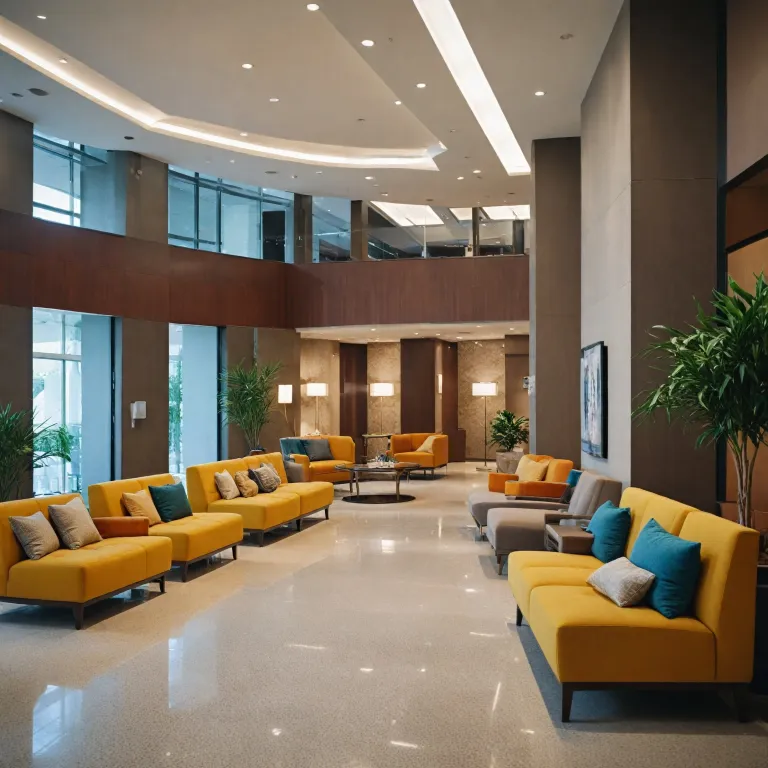
Comprehensive risk assessment for guest safety during pandemics in hotels and hospitality facilities
Guest safety during pandemics requires a meticulous risk assessment process within hotels, nursing homes, and other hospitality facilities. Risk managers must evaluate infection vectors in common areas, rooms, and public spaces, considering both short-term and long-term impacts on health and operational continuity. The risk of infection increases in poorly ventilated places, especially where aerosols generated by guests or staff may linger in the air. Hotels and nursing homes must prioritize air quality and ensure all rooms and common areas are well ventilated, reducing the risk of transmission during pandemic events.
Facility-based risk assessments should incorporate guidance from public health authorities, such as the CDC, to identify higher risk scenarios and implement targeted precautions. During covid and similar health crises, contact tracing and regular monitoring of patient and guest movements within the hotel or nursing home are essential. Risk managers must also consider the unique challenges posed by close contact in shared spaces, such as elevators, dining rooms, and nursing care areas. The implementation of cleaning disinfection protocols and personal protective equipment for staff and guests is fundamental to minimizing risk infection.
Hotels and nursing homes should conduct scenario-based drills to prepare for infection outbreaks, ensuring that all staff understand their roles in maintaining safety health standards. The adoption of digital tools for contact tracing and the use of AI-driven cleaning robots can further enhance infection control. By integrating these measures, hotels and other hospitality facilities can uphold guest safety during pandemics and maintain trust with their clientele.
Implementing advanced cleaning, disinfection, and air quality protocols
Effective cleaning disinfection strategies are critical for reducing risk infection in hotels, nursing homes, and other hospitality facilities during pandemics. Enhanced protocols must address all high-touch surfaces in rooms, common areas, and public places, with particular attention to areas where close contact is likely. The use of UV light for room disinfection and the deployment of AI-driven cleaning robots represent innovative approaches to infection control. These technologies help ensure that cleaning is both thorough and consistent, reducing the risk of transmission during pandemic periods.
Air quality management is equally important in mitigating risk transmission. Hotels and nursing homes should invest in advanced air filtration systems to remove aerosols generated by guests, staff, or patients. Well ventilated spaces are less likely to harbor infectious particles, making air quality a cornerstone of guest safety during pandemics. Facility managers should regularly monitor air exchange rates and maintain HVAC systems to meet public health standards.
During covid and other infectious outbreaks, the CDC recommends frequent cleaning disinfection and the use of personal protective equipment by staff. "Hotels are implementing enhanced cleaning protocols, enforcing social distancing, and offering contactless services to ensure guest safety." This approach, combined with rigorous hand hygiene and the strategic placement of hand sanitizers throughout the facility, supports a comprehensive infection prevention strategy. For further insights on legal compliance in hospitality risk management, see our hospitality legal risk management guide.
Social distancing, contactless services, and personal protective equipment in hospitality environments
Social distancing measures are a central component of guest safety during pandemics in hotels, nursing homes, and other hospitality facilities. Facility managers must redesign common areas and public places to support adequate spacing, reducing the likelihood of close contact and risk transmission. The expansion of outdoor dining and activity spaces is an effective way to maintain social distancing while still offering guests a comfortable experience.
Contactless services, such as digital check-in systems and mobile room keys, minimize physical contact between guests and staff, further reducing the risk infection. Hotels and nursing homes should encourage guests to utilize these technologies whenever possible. Personal protective equipment, including masks and gloves, must be provided to all staff and made available to guests, especially during covid or similar health emergencies. "Yes, hotel staff are typically required to wear masks and other protective equipment to reduce the risk of disease transmission."
Hand hygiene remains a foundational element of infection prevention. Hand sanitizers should be placed at strategic locations throughout the facility, including entrances, elevators, and dining areas. Facility-based training programs should reinforce the importance of hand hygiene and the correct use of protective equipment. For more on how technology is transforming hospitality safety, explore our hospitality technology solutions.
Legal, insurance, and compliance considerations for risk managers and hospitality leaders
Risk managers, insurers, and legal professionals in the hospitality sector must navigate a complex landscape of regulations and liability concerns during pandemics. Hotels and nursing homes are required to comply with evolving public health guidelines, including those issued by the CDC and local authorities. Failure to implement adequate safety health measures can expose facilities to legal claims and reputational damage.
Insurance policies should be reviewed and updated to reflect the unique risks associated with pandemics, including coverage for infection outbreaks, business interruption, and liability for guest or patient health. Legal teams must ensure that all facility-based protocols align with current regulations and that staff are trained to document compliance. Contact tracing systems and cleaning disinfection logs can serve as critical evidence in the event of a claim.
Risk managers should collaborate with specialized insurance brokers and legal advisors to develop comprehensive risk mitigation strategies. This includes scenario planning for higher risk situations, such as outbreaks in nursing homes or hotels with high guest turnover.
Staff training, guest communication, and fostering a culture of safety health
Effective staff training is essential for maintaining guest safety during pandemics in hotels, nursing homes, and other hospitality facilities. Training programs should cover infection prevention, cleaning disinfection procedures, hand hygiene, and the correct use of personal protective equipment. Staff must be able to identify higher risk situations and respond quickly to potential outbreaks.
Clear communication with guests is equally important. Hotels and nursing homes should provide detailed information about safety health measures, including air quality improvements, social distancing protocols, and contactless services. "Guests can contribute by adhering to hotel policies, practicing good hygiene, and utilizing contactless services when available." This transparency builds trust and encourages compliance with facility-based guidelines.
Fostering a culture of safety health requires ongoing engagement with both staff and guests. Regular updates on public health developments and changes to facility protocols help maintain vigilance. Recognition programs for staff who excel in infection prevention can reinforce positive behaviors and support long-term risk management objectives.
Long-term innovations and future-proofing hospitality facilities for pandemic resilience
The hospitality sector must adopt a forward-looking approach to guest safety during pandemics, investing in long-term innovations that enhance resilience. The integration of AI-driven cleaning robots, UV light disinfection, and advanced air filtration systems represents a significant advancement in infection control for hotels, nursing homes, and other facilities. These technologies not only reduce risk infection during pandemic events but also improve overall safety health standards.
Facility-based design changes, such as the creation of well ventilated common areas and the use of materials that are easy to clean and disinfect, support ongoing risk reduction. The adoption of digital tools for contact tracing and guest communication streamlines response efforts and ensures compliance with public health guidelines.
Continuous collaboration with health authorities, cleaning service providers, and technology vendors is essential for staying ahead of emerging threats. By prioritizing guest safety during pandemics and investing in future-proof solutions, hotels and nursing homes can maintain operational continuity and protect public health in the long term.
Quantitative insights: pandemic impact and safety measures in hospitality
- Reduction in hotel occupancy rates during COVID-19: 44% (American Hotel and Lodging Association)
- Increase in guest mentions of health measures in reviews during pandemic: 3.2% (Springer Nature Link)
Frequently asked questions about guest safety during pandemics in hospitality
What measures are hotels taking to ensure guest safety during pandemics?
Hotels are implementing enhanced cleaning protocols, enforcing social distancing, and offering contactless services to ensure guest safety.
Are hotel staff required to wear masks during a pandemic?
Yes, hotel staff are typically required to wear masks and other protective equipment to reduce the risk of disease transmission.
How can guests contribute to safety during their hotel stay?
Guests can contribute by adhering to hotel policies, practicing good hygiene, and utilizing contactless services when available.
What innovations are being adopted by hotels for infection control?
Hotels are using AI-driven cleaning robots, UV light for room disinfection, and expanding outdoor spaces to enhance safety health and reduce risk infection during pandemic periods.
References
- American Hotel and Lodging Association
- Springer Nature Link
- CDC