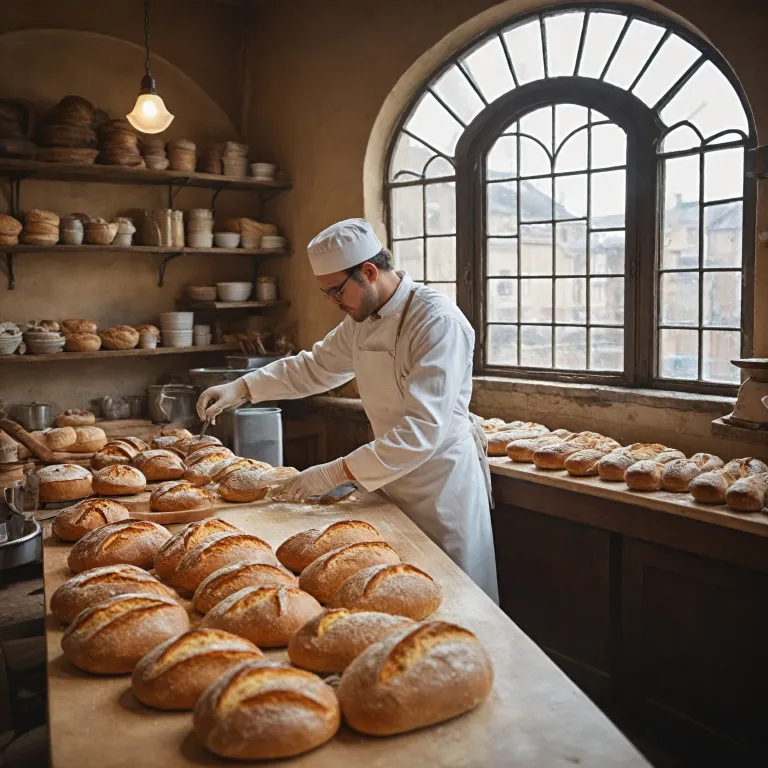
Le boulanger as a living laboratory for hospitality risk governance
For risk managers in hospitality, le boulanger offers a concrete benchmark. This family owned bakery and café chain operates seventeen sites across Northern California, with a consistent focus on serving fresh products every day. Its profile illustrates how bread, baking, and liability intersect in a tightly regulated food service environment.
The brand’s european roots began when the founder immigrated America from venice italy, bringing a brunello tradition of long fermentation and handcrafted dough. That italy began story still shapes every boulanger decision, from supplier selection to allergen labelling and cross contamination controls. In practice, bread baking protocols become risk controls, and the boulanger transforms culinary heritage into a structured assurance framework.
Risk leaders studying le boulanger see how a clear governance model protects both guests and wholesale partners. The company serves restaurants, delis, and catering clients, so any failure in baked product safety could cascade across multiple brands. By treating each batch of breads as a critical control point, the boulanger aligns operational discipline with insurer expectations and legal duty of care.
This approach also reframes tradition as a compliance asset rather than a nostalgic story. Old world baking believing in slow fermentation reduces additives, simplifies ingredient lists, and supports transparent labelling for juristes and regulators. In this sense, le boulanger shows how a family narrative, when properly documented, can underpin a robust risk register and a defensible standard of care.
From european roots to modern liability: mapping the brunello tradition
The le boulanger risk story began brunello, when paul brunello formalised his craft into a commercial bakery. That moment linked family identity, bread quality, and legal responsibility in a single operating model. Today, every boulanger outlet still reflects the brunello father legacy in its recipes, training, and documented procedures.
For hospitality insurers, the brunello tradition is more than marketing language. It defines how bread baking cycles are timed, how dough is baked to safe internal temperatures, and how cooling racks are organised to prevent contamination. When auditors review main content in safety manuals, they see venice italy heritage translated into measurable critical limits and monitoring routines.
The family narrative also clarifies accountability, which is central for directions générales and their legal teams. In many accounts, the founder paul is described as a father roger figure, mentoring the next generation in both craft and responsibility. Over time, roger dan and other relatives assumed leadership, ensuring that every boulanger respects the same standards whether serving fresh baguettes to retail guests or fulfilling wholesale contracts.
For juristes, this continuity matters because courts often examine whether a company acted consistently with its own stated values. When le boulanger claims to be believing european in its methods, regulators expect to see written procedures that match those promises. By aligning brunello tradition with documented HACCP style controls, the company reduces exposure to negligence claims and supports more favourable insurance terms.
Operational controls from dough to delivery in le boulanger catering
In the hospitality supply chain, boulanger catering operations create both opportunity and risk. Le boulanger serves corporate clients, hotels, and events, where a single contaminated tray of baked goods can affect hundreds of guests. Risk managers therefore scrutinise every stage, from bread mixing to final catering delivery and on site handling.
At production level, bread baking procedures define time, temperature, and fermentation windows. Old world baking believing techniques require longer proofing, which can raise questions about bacterial growth if not carefully controlled. To address this, the boulanger uses calibrated thermometers, batch logs, and cleaning schedules that juristes can reference when defending claims.
Distribution adds another layer of complexity for insurers and brokers. When le boulanger supplies breads to restaurants and delis on a wholesale basis, liability can be shared or transferred through contract clauses. Clear allocation of responsibility for storage, reheating, and serving fresh items is essential, especially where catering staff outside the boulanger brand handle the food.
Digital tools also reshape the risk profile, particularly through the online ordering system. When customers click visit the website to place an order, data security, payment integrity, and allergen information become part of the main content risk map. Hospitality risk specialists increasingly benchmark such models against broader food safety case studies, including analyses like how menu design reshapes risk thinking in hospitality food safety, to align catering contracts with evolving jurisprudence.
Supply chain, wholesale exposure, and the legal weight of tradition
Le boulanger operates at the intersection of retail hospitality and wholesale manufacturing. Its breads travel from central bakeries to cafés, hotels, and institutional clients, creating a multi node risk landscape. For risk managers, each transfer point between entities can trigger questions of indemnity, subrogation, and contractual warranties.
Wholesale agreements often specify how baked products must be stored, labelled, and rotated. If a restaurant fails to maintain cold chain integrity for filled sandwiches, insurers will examine whether le boulanger met its own obligations at dispatch. Detailed records of baking times, cooling, and loading temperatures therefore become crucial evidence in any dispute.
Tradition also carries legal implications when it shapes product claims. When marketing emphasises french or european breads, or highlights european roots serving local communities, consumer protection rules require accuracy. Claims about serving fresh bread daily must be supported by production logs, waste records, and staff rosters that show actual baking and delivery cycles.
For juristes and cabinets spécialisés, the brunello tradition narrative must be reconciled with modern labelling and allergen regulations. If a boulanger promotes specialty items such as brioche or croissants as authentic european recipes, ingredient disclosures must still meet American standards. In cross border contexts, especially when america venice style branding is used, legal teams should map how each cultural reference aligns with applicable food codes and advertising rules.
Human factors, family governance, and the culture of baking believing
Behind every compliant process at le boulanger stands a trained employee. Human factors remain the most volatile variable in hospitality risk, particularly in repetitive tasks like bread shaping, baking, and cooling. A single lapse in handwashing or allergen segregation can undermine even the most robust written policy.
The family governance model helps mitigate this vulnerability by embedding culture into daily routines. Staff are taught that they are not only producing breads but also protecting a brunello father legacy that began brunello in a small northern California bakery. This narrative reinforces why checklists matter, why thermometers must be calibrated, and why catering trays must be labelled with precision.
Leadership stories also influence how new managers interpret risk priorities. When teams hear how dan immigrated and roger dan continued the craft after the founder immigrated america, they connect personal sacrifice with professional duty. In practice, this can increase adherence to safety drills, incident reporting, and near miss documentation across all boulanger sites.
For directions générales, such culture is a strategic asset that supports both insurers and regulators. A workforce that sees baking believing as part of its identity is more likely to respect cleaning schedules, temperature checks, and traceability protocols. Over time, this reduces claim frequency, stabilises premiums, and strengthens the brand’s position when negotiating coverage for catering, wholesale, and retail operations.
Digital ordering, main content integrity, and cross border brand narratives
The shift to online ordering has transformed how le boulanger interacts with guests and corporate clients. When customers click to order bread or catering, the website becomes a critical control point for both information accuracy and transaction security. Risk managers must therefore treat digital interfaces as part of the same assurance framework that governs ovens and delivery vans.
Clear allergen information, ingredient lists, and reheating instructions must appear in the main content of product pages. If a client uses click visit links to arrange boulanger catering for a hotel event, any ambiguity in portion sizes or storage guidance can create liability. Juristes will later examine screenshots, logs, and version histories to determine whether the bakery met its duty to warn.
Brand storytelling adds another dimension, especially when it references venice italy, america venice journeys, or european roots serving local communities. Claims that paul brunello or father roger brought authentic french and european bread baking methods from abroad must be accurate and not misleading. Marketing teams should coordinate with legal counsel to ensure that every reference to brunello tradition, italy began heritage, or immigrated america narratives aligns with documented history.
Finally, digital channels amplify the reach of both praise and complaints. A single incident involving specialty breads or baked goods at a catered event can spread quickly across platforms. For insurers and risk managers, this underscores the need for integrated incident response plans that cover not only physical remediation but also online communication and reputation management for the boulanger brand.
Strategic lessons for hospitality risk managers from the le boulanger model
Le boulanger offers a compact yet sophisticated case study for hospitality risk leaders. Its combination of family ownership, european roots, and multi channel distribution mirrors many hotel and restaurant groups. By analysing how this boulanger balances tradition with compliance, risk managers can refine their own frameworks.
First, the chain shows how bread baking standards can double as formal risk controls. Time and temperature charts, cleaning schedules, and delivery logs all serve both quality and legal defensibility. When insurers review these documents, they see evidence that the company is serving fresh products while maintaining traceability from oven to guest.
Second, the brand’s narrative about paul brunello, father roger, and roger dan illustrates how governance can be personalised without weakening accountability. Family stories about how dan immigrated and how the founder immigrated america from venice italy are anchored in written policies and training modules. This alignment between story and system is what convinces underwriters that brunello tradition is a strength rather than a vulnerability.
Third, the integration of wholesale, retail, and boulanger catering demonstrates the importance of contract clarity. Whether supplying breads to restaurants or managing specialty baked items for events, each agreement should specify responsibilities for storage, labelling, and service. For juristes, this level of detail reduces ambiguity, supports faster claim resolution, and positions le boulanger as a reference point for best practice in hospitality food safety and legal risk management.
Key quantitative insights for hospitality and bakery risk management
- Le Boulanger operates 17 locations across Northern California, creating a multi site risk environment that demands consistent safety and quality controls.
- The company has been active for over nine decades, offering a long historical dataset for analysing incident trends and the impact of tradition on risk outcomes.
- Catering operations span all locations, increasing exposure to large group events and complex wholesale style contracts with hotels and corporate clients.
- The product portfolio includes multiple bread types and pastries, each with distinct baking, cooling, and labelling requirements that must be reflected in HACCP style plans.
Questions risk professionals also ask about le boulanger and hospitality risk
What products does Le Boulanger offer and why does this matter for risk?
Le Boulanger offers a variety of baked goods including sourdough and sweet French breads, ciabatta, brioche, bagels, croissants, muffins, pastries, and more. Each category carries specific time temperature and allergen considerations that must be captured in safety plans. For risk managers, this diversity requires granular procedures and staff training to prevent cross contamination and labelling errors.
Where are Le Boulanger's locations and how does geography affect exposure?
Le Boulanger operates multiple locations across Northern California, including cities like San Jose, Oakland, and Sunnyvale. Operating in several municipalities means navigating different inspection regimes and local enforcement cultures. Risk leaders must therefore harmonise internal standards while remaining agile to local regulatory expectations.
Does Le Boulanger offer catering services and what are the implications?
Yes, Le Boulanger provides catering services and has streamlined operations across its locations to enhance this service. Catering amplifies risk because a single incident can affect many guests at once, often under another brand’s roof. Contracts, training, and logistics must therefore be designed to protect both the boulanger and its hospitality partners.
How does the family owned structure influence risk and assurance?
As a family owned bakery and café chain, Le Boulanger can embed culture and accountability more directly than many corporate groups. This structure supports rapid decision making when incidents occur and helps maintain consistent standards across generations. For insurers and juristes, such continuity can signal lower operational volatility and stronger commitment to long term compliance.
Why is tradition highlighted in risk discussions about le boulanger?
Tradition shapes recipes, processes, and brand promises that regulators and courts may later scrutinise. When a company emphasises european roots or authentic french methods, it raises expectations about quality and transparency. Aligning these narratives with documented controls ensures that heritage becomes a risk mitigation asset rather than a liability.
References : Le Boulanger official site ; Hospitality Technology business coverage ; Local health department food safety guidelines.