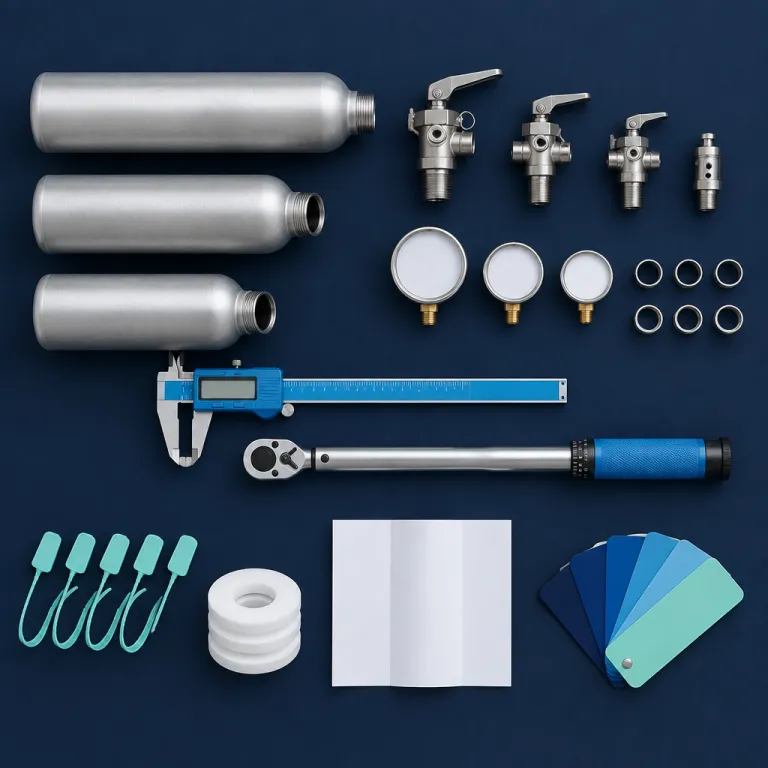
Why empty fire extinguisher cylinders are a strategic risk asset in hospitality
For hotel and resort portfolios, the B2B procurement of empty fire extinguisher cylinders and compliance with industrial standards is no longer a technical afterthought. Strategic buyers in hospitality now treat every steel cylinder as a regulated life-safety asset that directly influences liability, insurance conditions, and long term brand resilience. When a single faulty extinguisher cylinder fails during a kitchen fire, the resulting business interruption and legal exposure can dwarf any short term savings on equipment.
Risk managers must therefore frame each fire extinguisher, each set of extinguisher cylinders, and each related piece of fire protection equipment as part of an integrated fire safety system. That system spans carbon steel or stainless steel cylinders, the choice of dry powder or carbon dioxide agents, and the industrial processes used by manufacturers to guarantee quality and certification. In a sector where hotel workers already face elevated injury rates, weak fire safety governance around cylinders and extinguishers amplifies both operational and legal risk.
For executive leadership and insurance partners, the market for empty cylinders is a lever to align technical fire suppression capabilities with contractual standards and underwriting expectations. A portfolio that relies on uncertified steel fire cylinders or inconsistent pressure testing regimes will face tougher negotiations on premiums and deductibles. By contrast, a procurement policy that requires traceable certification for every fire extinguisher cylinder and for all fire extinguishers on site becomes a tangible argument when defending claims or negotiating coverage extensions.
Industrial standards and legal exposure across the fire extinguisher cylinder lifecycle
The lifecycle of an empty fire extinguisher cylinder in a hotel or cruise terminal begins long before it is filled with dry powder or carbon dioxide. From the first industrial forming of carbon steel or stainless steel shells, each cylinder is already governed by international standards such as EN 3 for portable fire extinguishers and the EN 1964 series for refillable seamless steel gas cylinders used with compressed or liquefied gases. For hospitality legal counsel and insurance lawyers, these standards are not abstract references but concrete benchmarks used by experts in litigation and claims adjustment.
Every stage of the supply chain — from raw steel plate to finished extinguisher cylinders — must be traceable, with documented quality control and pressure testing records. When a fire extinguisher fails during an automatic fire discharge in a back of house corridor, investigators will examine whether the cylinder met the applicable standards at the time of manufacture and at the last inspection. If buyers accepted commercial offers from manufacturers without verifying certification, the resulting gap can shift liability back to the hotel group or its procurement subsidiary.
Risk leaders should integrate legal review into technical specifications for all fire protection equipment, including ABC dry powder extinguishers, carbon dioxide units, and stainless steel cylinders used in kitchens. This means aligning internal purchasing policies with the same rigor applied to dangerous goods logistics or gas installations. For a deeper view of how weak safety investment can amplify injury and liability exposure in hotels, risk managers can review the analysis on rethinking safety investment beyond slips and falls, then transpose the same logic to the management of extinguisher cylinders.
From technical specification to B2B procurement governance in hospitality groups
In large hotel chains, the B2B procurement of empty fire extinguisher cylinders and industrial standards should be governed like any other critical safety category. Central buyers must define a reference product range that covers all relevant cylinder volumes, from small stainless steel units for luxury suites to larger carbon steel cylinders for back of house and technical rooms. Each product reference should clearly state the required certification, acceptable manufacturers, and minimum quality thresholds for welding, coatings, and pressure testing.
To avoid fragmented practices, executive teams should mandate that all brands within the group use the same approved suppliers for fire extinguishers and extinguisher cylinders. This harmonisation allows the group to negotiate better commercial terms while also enforcing consistent fire safety performance across regions. It also simplifies training for maintenance teams, who can work with a limited set of cylinder types, ABC dry powder units, and carbon dioxide extinguishers, rather than a patchwork of incompatible equipment.
Procurement governance must also address the interface between cylinders and automatic fire systems in kitchens, laundry rooms, and technical spaces. When buyers select cylinders for integration into automatic fire suppression systems, they must verify compatibility with valves, detection equipment, and control panels. Hospitality risk leaders who already treat loss prevention in restaurants as a strategic shield can extend the same disciplined approach to the selection and renewal of extinguisher cylinders.
Quality control, pressure testing, and insurer expectations
Insurers evaluating a hotel or resort portfolio now look beyond the presence of fire extinguishers and ask how cylinders are maintained, tested, and replaced. A robust quality control regime for every extinguisher cylinder, whether carbon steel or stainless steel, is a strong indicator of operational maturity. When risk managers can present structured data on pressure testing intervals, rejection rates, and cylinder replacement cycles, they strengthen their position in underwriting discussions.
Technical standards typically require periodic pressure testing of extinguisher cylinders to verify structural integrity under defined pressures and temperatures. For hospitality assets exposed to corrosive environments, such as coastal resorts or spa areas, this testing is particularly critical for carbon steel cylinders that may degrade faster than stainless steel alternatives. Buyers should therefore adapt their cylinder specifications to local environmental conditions, selecting stainless steel cylinders or enhanced coatings where humidity, salt, or cleaning chemicals accelerate corrosion.
From an insurance and legal perspective, documented compliance with testing standards can be decisive when a fire incident escalates into a claim or dispute. If a carbon dioxide extinguisher fails because an overdue cylinder was not removed from service, the absence of records will weaken the hotel’s defence and potentially trigger policy exclusions. By contrast, a clear audit trail for each fire extinguisher, each set of extinguisher cylinders, and each pressure testing report demonstrates that the operator met its duty of care and respected applicable standards.
Supply chain resilience and dangerous goods management for global hospitality portfolios
Global hospitality groups often operate across multiple continents, which complicates the supply chain for empty fire extinguisher cylinders and related safety equipment. A disruption affecting a single regional manufacturer of carbon steel cylinders can delay refurbishments and leave properties with ageing fire extinguishers that no longer meet internal standards. Risk managers should therefore map critical suppliers for cylinders, valves, and charging services, then assess the resilience of this supply chain under different stress scenarios.
Because filled fire extinguishers and certain cylinder components may be classified as dangerous goods, logistics must comply with transport regulations for pressurised containers and fire suppression agents. This is particularly relevant for carbon dioxide and ABC dry powder units shipped by air or sea to island resorts and remote lodges. Buyers must ensure that commercial contracts with logistics partners explicitly address dangerous goods handling, documentation, and liability, rather than treating cylinders as ordinary industrial products.
Supply chain resilience also depends on the ability to source equivalent cylinders from alternative manufacturers without compromising certification or fire safety performance. To achieve this, procurement teams should define technical equivalence criteria for cylinder design, steel grade, and standards compliance, then prequalify multiple manufacturers in each key market. When a disruption occurs, hotels can then switch to alternative suppliers while maintaining consistent fire protection levels and avoiding gaps in regulatory compliance.
Aligning fire extinguisher cylinder strategy with ESG, brand, and guest trust
Hospitality brands increasingly integrate fire safety and broader risk management into their ESG narratives and stakeholder reporting. The way a group manages the B2B procurement of empty fire extinguisher cylinders and industrial standards can either reinforce or undermine these commitments. A transparent policy that prioritises certified cylinders, rigorous quality control, and responsible handling of dangerous goods sends a clear signal to investors, regulators, and guests.
From an environmental perspective, the choice between carbon steel and stainless steel cylinders, and the decision to refurbish rather than discard, influence the lifecycle footprint of fire protection equipment. Buyers can work with manufacturers to implement take back schemes, where used cylinders are either safely recycled or requalified through pressure testing and inspection. Such programmes reduce waste while ensuring that only cylinders meeting current standards remain in service across hotels, resorts, and cruise terminals.
Guest trust also depends on visible and credible fire safety measures, especially in high risk areas such as open kitchens, rooftop venues, and underground parking. When guests see well maintained fire extinguishers, clearly labelled extinguisher cylinders, and modern automatic fire suppression systems, they implicitly assess the brand’s commitment to their safety. For executive leadership and insurers, this alignment between technical fire protection, legal compliance, and brand promise is not a marketing detail but a core component of long term resilience in the global fire risk landscape.
Key statistics on fire extinguisher cylinders and hospitality fire risk
- The National Fire Protection Association reports that U.S. hotel and motel properties experience an estimated average of around 3,900 structure fires per year, with cooking equipment involved in nearly half of these incidents, which underlines the importance of reliable fire extinguishers and compliant cylinders in commercial kitchens.[1]
- According to data from the European Committee for Standardization, portable fire extinguishers certified under EN 3 must undergo routine maintenance at intervals not exceeding one year, and this requirement directly influences how often hospitality operators must inspect and pressure test their extinguisher cylinders.[2]
- Studies from major insurers indicate that properties with documented fire safety maintenance programmes, including regular cylinder pressure testing and replacement, can achieve fire related insurance premium reductions of roughly 5 to 15 percent compared with similar assets lacking such programmes.[3]
- Industry surveys of global fire protection manufacturers show that stainless steel cylinders can offer service lives exceeding 20 years under proper maintenance, while unprotected carbon steel cylinders in corrosive environments may require replacement in less than 10 years, which has direct cost and risk implications for coastal resorts.[4]
- Data from occupational safety agencies highlight that hotel workers face significantly higher injury rates than many other service sectors, and while many incidents involve slips and falls, fire and burn injuries remain a critical subset that can be mitigated through robust fire extinguisher strategies and compliant industrial cylinders.[5]
[1] NFPA, “U.S. Structure Fires in Hotels and Motels.” [2] CEN, EN 3 series on portable fire extinguishers. [3] Aggregated findings from large commercial property insurers’ risk engineering bulletins. [4] Manufacturer technical datasheets for stainless steel and carbon steel cylinders. [5] National occupational safety agency statistics on hotel and accommodation worker injuries.
FAQ about B2B procurement of empty fire extinguisher cylinders and industrial standards
How should hospitality buyers select manufacturers for empty fire extinguisher cylinders ?
Hospitality buyers should prioritise manufacturers that can demonstrate compliance with recognised industrial standards for cylinders, such as EN 3 for portable fire extinguishers and relevant pressure vessel regulations. They should request full certification dossiers, including material specifications for carbon steel or stainless steel, welding procedures, and pressure testing protocols. Site audits or third party inspections can further validate that the manufacturer’s quality control processes align with the hotel group’s risk appetite and insurer expectations.
What is the recommended replacement cycle for fire extinguisher cylinders in hotels ?
The replacement cycle for extinguisher cylinders depends on the cylinder material, environmental conditions, and applicable standards, but many operators plan for a service life of 10 to 20 years under strict maintenance. Regular inspections and periodic pressure testing are essential to identify cylinders that must be withdrawn earlier due to corrosion, mechanical damage, or failed tests. Risk managers should define a group wide policy that sets maximum ages for carbon steel and stainless steel cylinders, then align this policy with insurer guidelines and local regulations.
How can risk managers verify that cylinders meet industrial standards across multiple countries ?
Risk managers operating international portfolios should maintain a central register of accepted standards and certifications for fire extinguishers and cylinders, then map these against local regulatory requirements in each country. They can require suppliers to provide harmonised documentation, such as test reports and conformity declarations, that reference both international and national standards. Periodic independent audits of a sample of cylinders in different markets help confirm that local procurement teams are not deviating from the approved specifications.
What role do insurers play in defining specifications for fire extinguisher cylinders ?
Insurers often include fire safety requirements in policy conditions, which can indirectly define minimum specifications for fire extinguishers and cylinders. During risk surveys, insurers may recommend specific standards, maintenance intervals, or replacement policies for extinguisher cylinders, especially in high risk areas such as commercial kitchens and technical rooms. Hospitality groups that align their procurement and maintenance practices with these recommendations can negotiate more favourable terms and reduce the likelihood of coverage disputes after a fire.
How should hospitality operators manage dangerous goods aspects of fire extinguishers and cylinders ?
Hospitality operators must treat filled fire extinguishers and certain cylinder components as dangerous goods when transported or stored in bulk, especially for carbon dioxide and ABC dry powder units. This involves complying with transport regulations, ensuring correct labelling, and training staff who handle cylinders in logistics or maintenance roles. Clear procedures for storage, handling, and disposal of cylinders and agents help prevent accidents, regulatory breaches, and reputational damage linked to unsafe management of fire suppression products.