Why the post-incident window defines real hotel crisis management maturity
Most hotels now have a crisis plan, but very few have a disciplined post incident review that is funded, scheduled, and respected. In the hospitality industry, the 72 hours after a hotel emergency quietly determine how regulators, insurers, and owners will judge your crisis management capability for years. That short period is when guest safety narratives are set, when evidence about the crisis is preserved or lost, and when your management team either builds credibility or exposes structural weaknesses in operations.
Across large urban hotels and resort properties, executives still over invest in the initial response and under invest in the post crisis phase. Industry data shows that a majority of organizations take more than 100 days to fully recover from a cyber breach, which signals that the bottleneck is not the first emergency response but the fragmented recovery and weak documentation that follow. For a General Manager responsible for both safety and P&L, that means hotel crisis management must treat the review of incidents as a core business process, not an optional debrief.
When a crisis hits a hotel, whether a fire in a back of house corridor, a flood from natural disasters, or a data breach affecting guests, the quality of the post incident review will shape every subsequent negotiation. Insurers will ask how the management team documented the emergency, how quickly safety protocols were updated, and whether evacuation plans were refined based on real time observations from guests staff and security. Regulators will look at whether the hotel security function translated lessons into new procedures, while owners will focus on how fast the property returned to normal operations without compromising guest safety.
The 72-hour documentation protocol: capturing the incident while it is still real
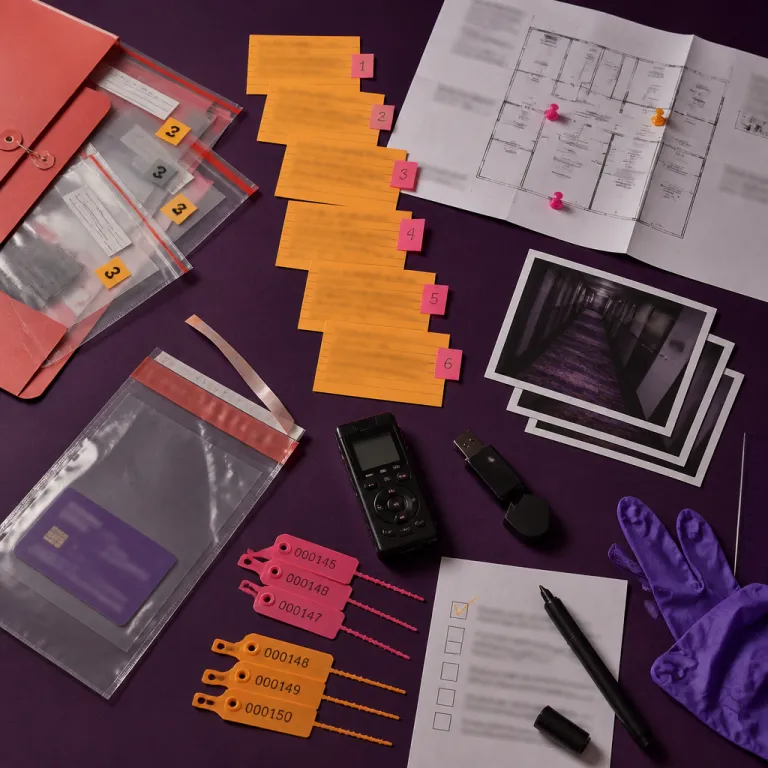
The most effective hotel crisis management programs treat the first 72 hours after an incident as a structured evidence capture phase and the foundation for the later post incident review. In that window, the General Manager and department heads should schedule a formal review meeting, using incident reports, case management software, and meeting minutes to record what happened in real time. This is where the event timeline is reconstructed, from the first emergency call to the last guest evacuation, and where gaps in communication or safety protocols are identified before memories fade.
A disciplined documentation protocol starts with a clear management plan that defines who collects which type of data and when. Security logs, hotel security camera footage, fire alarm records, and emergency services reports must be preserved, while the management team interviews key staff and guest witnesses about the crisis response. The dataset guidance is explicit here : “What is a post-incident review? A meeting to analyze an incident and prevent recurrence.”
For a hotel facing a hotel emergency such as a kitchen fire or a severe storm, the documentation must go beyond technical details. You need to record how guests staff were informed, whether evacuation plans led people to the correct assembly points, and how the team coordinated with emergency services on site. This is also the moment to log operational decisions, such as activating backup power, closing parts of the property, or adjusting room allocations to protect guests, because those decisions will later be scrutinized by insurers and legal counsel.
In multi property hotel groups, the 72 hour protocol should be standardized so that every hotel crisis is documented in a comparable way. That allows risk assessment teams to benchmark response quality across hotels and to identify recurring weaknesses in procedures or communication channels. It also ensures that when a crisis plan is updated, the changes are grounded in real incidents rather than theoretical scenarios, which strengthens both safety and legal defensibility.
To make the 72 hour window practical for a tired management team, many hotels now use a simple checklist that doubles as the agenda for the first post incident review:
- First 12 hours: secure the scene, preserve CCTV and access control logs, capture initial staff statements, appoint a documentation lead, and open a central incident file.
- Hours 12–24: draft a factual incident timeline, collect copies of emergency services reports, and store photos, videos, and maintenance records in a central folder.
- Hours 24–48: hold the first structured post incident review, confirm guest impact, and list immediate corrective actions with owners and deadlines.
- Hours 48–72: validate data completeness, update interim safety protocols, and prepare a short briefing note for owners, insurers, and legal counsel.
For incidents that disrupt travel flows, such as airspace closures or regional natural disasters, the same documentation discipline must apply to guest repatriation and continuity decisions. A detailed record of how the hotel managed stranded guest bookings, coordinated with airlines, and maintained guest safety during extended stays will be invaluable, as shown in analyses of contingency plans for airspace closures and guest repatriation. Those records become the backbone of both insurance claims and future crisis management training.
How insurers and regulators read your incident file at renewal time
Insurers do not only price the risk of a hotel based on its location, size, and claims history. They increasingly evaluate the quality of hotel crisis management by examining how the property handled the last serious incident, from initial response to post crisis remediation. When renewal season arrives, the incident file becomes a narrative about the hotel’s culture of safety, its management team discipline, and its willingness to invest in prevention.
Underwriters will look for a coherent crisis plan that was actually followed during the emergency, not just a document stored on a shared drive. They want to see that the management plan defined clear roles for the General Manager, security, operations, and front office staff, and that those roles were executed under pressure. A well structured post incident review, with documented risk assessment findings, updated safety protocols, and evidence of new training for staff, can materially influence premium levels and coverage terms.
Regulators and fire authorities take a similar view when they audit a hotel after a crisis. They will ask how evacuation procedures were implemented, whether assembly points were adequate, and how quickly the hotel restored safe operations with backup power and temporary barriers. A property that can show a detailed review of the fire or other emergency, including lessons learned and changes to evacuation plans, is far better positioned than one that only submits minimal incident reports.
Legal teams and insurers also pay attention to how the hotel communicated with guests during and after the crisis. Clear, timely communication about guest safety, property status, and compensation options can reduce litigation risk and reputational damage. Case studies such as the tabletop exercise that actually held up for a 400 room property show that when training and procedures are realistic, the incident file tells a story of competence rather than chaos.
Designing a post-incident review framework that your hotel team will actually use
A post incident review framework only works if it is simple enough to be used after a long night of crisis response. At its core, the framework should answer three questions : what happened, how did our hotel crisis management perform, and what must change in our operations and procedures. To achieve that, the General Manager must lead a structured meeting with the right participants and a clear agenda.
The dataset on post incident reviews is clear about attendance : “Who should attend a post-incident review? General Manager, Department Heads, relevant staff.” In practice, that means bringing together security, front office, housekeeping, engineering, food and beverage, and any other department directly involved in the emergency. The management team should also invite representatives from local authorities or industry experts when the crisis involved complex hotel security or public safety issues.
The framework should allocate time to each phase of the crisis, from the first alarm to the return to normal operations. For a fire incident, that means reviewing detection, initial response by staff, activation of evacuation plans, coordination with emergency services, and the post crisis reopening of affected areas. For natural disasters, the review must cover pre event risk assessment, communication with guests, use of backup power, and the safety of the property structure.
To keep the discussion focused and comparable across incidents, many hotels use a short post incident report template that captures the essentials:
- Incident overview: date, time, location, type of event, and immediate impact on guests and operations.
- Timeline and actions: key decisions from first alarm to stabilization, including who authorized evacuations, closures, or backup power activation.
- Communication log: messages to guests, staff, owners, and authorities, with channels and timestamps.
- Safety and security performance: what worked, what failed, and any near misses related to evacuation plans, access control, or fire protection.
- Corrective actions: specific improvements, responsible owners, deadlines, and how completion will be verified.
Tools such as case management software, standardized incident reports, and structured checklists help keep the review focused and comparable across different hotels. The management plan should specify how findings are documented, who owns each corrective action, and what deadlines apply. Over time, this creates a living crisis management playbook that reflects real incidents rather than generic templates, which is exactly what insurers and regulators expect from a mature hospitality operation.
From review to operational change: turning lessons into safer hotels
Too many post incident reviews end with a list of recommendations that never reach the front line. For hotel crisis management to be credible, every significant finding must translate into updated standard operating procedures, revised training, and visible changes in the property. That is where the General Manager’s leadership and the discipline of the management team become decisive.
When a review identifies weaknesses in evacuation procedures, for example, the hotel must update evacuation plans, signage, and assembly points, then run drills to validate the new design. If the crisis exposed gaps in communication with guests, the property should refine its emergency communication templates, train staff on calm but clear messaging, and test those messages during exercises. The same logic applies to technical issues such as backup power capacity, fire door maintenance, or hotel security patrol routes.
Every change should be logged in a central crisis plan repository, with version control and clear dates, so that insurers and auditors can see the evolution of safety protocols over time. Staff training records must show that new procedures were not only written but practiced, ideally through realistic drills that simulate hotel emergency conditions. This is where multi department exercises, including security, front office, housekeeping, and engineering, can validate that the management plan works under pressure.
Two brief examples illustrate how this can work in practice. In 2019, a 300 room city hotel experienced a back of house electrical fire that triggered a full evacuation. The post incident review revealed that guests struggled to find assembly points and that night staff were unsure about backup power priorities. Within a month, the hotel updated signage, revised its crisis plan, and ran three night time drills. The next year, a smaller fire in a service corridor led to a calm, orderly evacuation with no injuries and minimal business interruption.
In contrast, a coastal resort hit by a severe storm in 2021 discovered during its review that guest communication was fragmented across email, messaging apps, and ad hoc phone calls. The management team consolidated templates, clarified who could authorize compensation, and integrated storm scenarios into annual tabletop exercises. When another weather event disrupted operations the following season, the resort maintained clearer guest updates, reduced complaints, and documented the response in a way that supported a faster insurance settlement.
Hotels that treat the post crisis phase as an opportunity to build crisis resilience tend to see fewer repeat incidents and faster recoveries. They also build trust with guests, who notice when safety measures, communication, and staff confidence improve after a visible crisis. Over time, this cycle of review and improvement becomes a competitive advantage in the hospitality industry, where safety and reliability are increasingly central to brand value.
Integrating drills, real-time data, and multi-property learning into one review system
The most advanced hotel crisis management programs no longer separate drills, live incidents, and analytics. Instead, they run a single review framework that captures data from tabletop exercises, full scale evacuations, and real emergencies, then feeds that information into a central risk assessment and improvement cycle. This approach turns every event, simulated or real, into structured learning for the entire hotel portfolio.
Multi department drills are particularly valuable when they are designed to test specific elements of the crisis plan, such as communication with emergency services, coordination between security and front office, or the use of backup power during a simulated outage. The findings from these exercises should be documented using the same tools and procedures as a real incident, including incident reports, meeting minutes, and action logs. That way, when a genuine hotel crisis occurs, the management team is already familiar with the review process and can move quickly into post incident analysis.
Real time monitoring technologies now allow hotels to track key safety and operations indicators during both drills and emergencies. Fire alarm activations, door status, guest movement patterns, and communication timestamps can all be captured and later analyzed to refine evacuation plans and safety protocols. Industry case studies on mega event operations, such as those examined in real time hotel operations during major tournaments, show how data driven reviews can transform crisis management from a reactive function into a continuous improvement engine.
For hotel groups, a centralized repository of post incident reviews across multiple hotels enables benchmarking and shared learning. A fire in one property can lead to updated procedures and training in every sister hotel, while a successful response to natural disasters in a coastal resort can inform crisis plans for inland properties facing different but related risks. Over time, this integrated system helps build crisis resilience at scale, aligning safety, insurance, and legal strategies across the entire hospitality portfolio.
Governance, legal defensibility, and the role of leadership in post-incident reviews
Behind every effective post incident review is a clear governance structure that defines roles, responsibilities, and escalation paths. The General Manager acts as the leader of the review process, while department heads serve as key participants who bring operational insights from security, front office, housekeeping, engineering, and food and beverage. This governance model ensures that the review is not a blame session but a structured analysis aimed at preventing recurrence and protecting both guests and the property.
Legal defensibility depends heavily on the quality of documentation and the consistency of procedures across incidents. When a crisis occurs, courts and regulators will examine whether the hotel had a reasonable crisis plan, whether staff were trained on safety protocols, and whether the management team conducted a timely and thorough post incident review. A documented timeline that shows when the review meeting was scheduled, how findings were recorded, and what actions were implemented can significantly strengthen the hotel’s position.
Partnerships with local authorities and industry experts can further enhance the credibility of the review process. Inviting fire officials, emergency services representatives, or external risk consultants to participate in selected reviews can provide independent validation of the hotel’s crisis management efforts. Over time, this collaborative approach helps align hotel operations with evolving regulatory expectations and best practices in the hospitality industry.
Finally, leadership must ensure that post incident reviews occur after every significant event, not only after headline grabbing crises. The dataset guidance is explicit : “How often should post-incident reviews occur? After every significant incident.” That discipline turns each emergency, from a minor fire alarm to a major natural disaster, into a structured learning opportunity that strengthens guest safety, hotel security, and long term resilience.
Key figures that shape post-incident hotel crisis management
- Industry research indicates that around 75 % of hotels report having some form of crisis management plans in place, yet many lack a formalized post incident review process, creating a gap between documented intent and operational reality (for example, findings reported in global hotel safety benchmarking surveys by major hospitality associations).
- Studies on cyber incidents in hospitality show that approximately 76 % of organizations take more than 100 days to fully recover from a breach, highlighting that post crisis processes and recovery governance, rather than initial response, are the main bottlenecks (IBM Cost of a Data Breach Report, hospitality and travel segments).
- Internal safety programs that integrate structured post incident reviews have reported measurable reductions in repeat incidents, with some hotel groups citing double digit percentage declines in similar events after standardizing review procedures across properties (as documented in joint analyses by large operators and their insurance partners).
- Hotels that can demonstrate documented post incident reviews, updated safety protocols, and regular staff training often achieve more favorable insurance renewal terms, with some insurers offering premium reductions or improved coverage limits for properties that show strong crisis management governance (reported in broker briefings and insurance market practice notes).
FAQ about post-incident reviews in hotel crisis management
What is a post-incident review in a hotel context ?
A post incident review in a hotel is a structured meeting held after a significant crisis or emergency to analyze what happened, evaluate the response, and decide on improvements. It typically involves the General Manager, department heads, and relevant staff who were directly involved in the incident. The goal is to prevent recurrence, strengthen guest safety, and improve overall crisis management.
Who should participate in the post-incident review at a hotel ?
The core participants should include the General Manager as leader, department heads from security, front office, housekeeping, engineering, and food and beverage, and any staff who played key roles during the incident. Depending on the nature of the crisis, representatives from local emergency services or external risk consultants may also be invited. This mix ensures that both operational details and strategic implications are fully understood.
When should a hotel conduct a post-incident review ?
A hotel should conduct a post incident review after every significant incident that affects guest safety, property integrity, or critical operations. Ideally, the review is scheduled within 72 hours of the event, while evidence is fresh and memories are accurate. This timing allows the management team to capture detailed information and quickly translate findings into updated procedures and training.
What should be documented during a hotel post-incident review ?
The review should document the incident timeline, actions taken by staff, communication with guests and emergency services, and the performance of safety protocols such as evacuation plans and backup power systems. It should also record identified weaknesses, proposed corrective actions, responsible owners, and implementation deadlines. These records form the basis for insurance discussions, regulatory compliance, and future crisis management improvements.
How often should hotels review and update their crisis management plans ?
Hotels should review and update their crisis management plans after every significant incident and at least once a year as part of routine risk assessment. Each post incident review should trigger a check of whether the existing crisis plan, evacuation procedures, and communication protocols are still adequate. Regular updates ensure that the plan reflects current property conditions, staffing levels, technology, and emerging risks in the hospitality industry.