Why event security firms now sit at the heart of hospitality risk strategy
For hospitality groups, every event is now a concentrated test of security, governance and legal resilience. Event security firms have moved from tactical suppliers to strategic partners because a single security incident can trigger regulatory scrutiny, insurance disputes and reputational damage. When risk managers and executive leadership teams treat event security as an integrated risk domain, they protect both guests and long term asset value.
Modern event protection is no longer limited to visible security guards at doors or in lobbies. Leading event security firms design layered security services that combine trained officers, discreet surveillance, cyber monitoring and structured emergency response protocols. This shift matters for corporate hospitality, where private events, special events and large scale conferences now blend physical spaces with connected technologies and sensitive customer data.
For insurers and in house legal counsel, the quality of professional security at events directly influences liability exposure. Underwriters increasingly examine how security teams manage access control, crowd control and crowd management when assessing coverage for special event programmes. In practice, a security officer is now evaluated not only on physical protection skills but also on documentation discipline, incident reporting and cooperation with local law enforcement.
From physical to cyber: building a unified protection model for events
Hospitality events now operate as temporary ecosystems where physical and digital risks intersect. A gala dinner, a corporate roadshow or a private event may rely on cloud based registration, mobile access control and Wi Fi networks that expose guests to cyber threats while they move through crowded spaces. Event security firms that understand both physical security and cybersecurity can help ensure that the overall experience remains safe without creating operational friction.
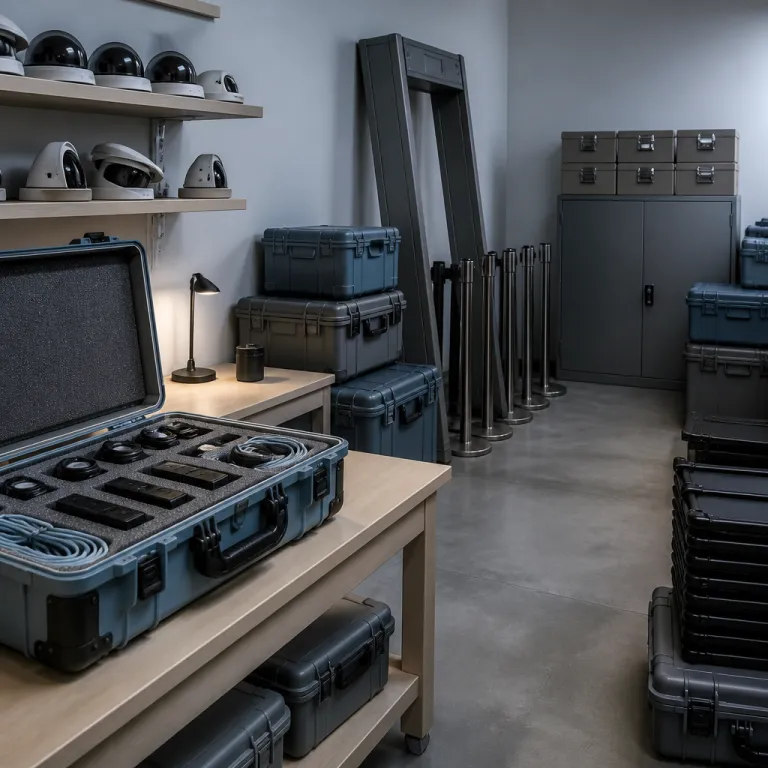
Risk managers should require that security services for events include structured risk assessment of both on site vulnerabilities and connected systems. The most advanced security solutions integrate CCTV cameras, metal detectors and communication devices with AI supported analytics that flag anomalies in real time, while cybersecurity teams monitor suspicious logins or data exfiltration attempts. This convergence is particularly relevant for large scale corporate events hosted in urban hubs such as San Francisco, where threat actors may target both high profile guests and hotel infrastructure.
Vendors such as High Rock Security in the western United States, Greenroom Security Agency in Chicago and Triumph Protection Group across the country illustrate, as non exhaustive examples based on publicly available company profiles, how event security firms are expanding their remit. Their security teams coordinate with event organizers, local law enforcement and emergency services to align physical crowd management with digital incident response. For hospitality governance, this unified model supports better insurance negotiations and aligns with emerging best practices in remote video monitoring for hospitality security governance, as analysed in guidance on 24/7 remote video monitoring services reshaping hospitality security governance.
Due diligence on event security firms: what risk managers and insurers must verify
When selecting event security firms, hospitality leaders should treat procurement as a critical risk transfer decision rather than a simple event staffing exercise. The first filter is licensing and insurance, because reputable firms are licensed and insured and can evidence compliance across all jurisdictions where they operate. Beyond that baseline, risk managers must evaluate how each provider structures its security services, trains its guards and documents its security teams’ actions.
Underwriting teams and legal departments should request detailed descriptions of how the provider manages access control, crowd control and emergency response for different types of events. For private events, the emphasis may be on discreet protection of VIP guests, while for large scale special events the focus shifts to visible crowd management, perimeter control and coordination with public authorities. Firms such as BEST, known for event security and crowd management, or Stone Security with its global event and personal protection expertise, are cited here as illustrative providers whose capabilities are described in their own marketing materials, showing how specialised security teams can adapt to varied hospitality environments.
Hospitality brands should also examine how event security firms integrate with internal staff and corporate crisis plans. A contracted security team must be able to brief hotel staff, align with brand standards and support a safe guest journey from arrival to departure. Practical guidance on how to hire security for an event in hospitality without compromising guest experience can help executive leadership frame tender documents and service level agreements that balance safety, legal protection and guest satisfaction.
Designing layered protection for special events without eroding guest experience
Hospitality events succeed when guests feel both welcome and safe, which requires subtle design of security layers. Event security firms can help create a protection architecture where visible security guards reassure attendees while less visible officers and technology quietly manage risk. The goal is to ensure peace of mind for guests and staff without turning a special event into an overtly policed environment.
A typical layered model for corporate events might start with perimeter access control managed by trained guards who verify credentials and manage vehicle flows. Inside the venue, a mixed team of security officers and hotel staff can monitor crowd density, identify vulnerable choke points and adjust crowd management tactics in real time. For private events such as high end weddings or incentive trips, the same security teams may adopt a softer profile, using plain clothes personnel who blend with event staffing while still ready to coordinate emergency response.
Risk managers should insist that every security event plan includes clear roles for hotel staff, contracted security teams and local emergency services. This clarity reduces legal ambiguity if an incident occurs and supports insurers in assessing liability and subrogation options. When event security firms document these roles and provide post event debriefing reports, they create valuable data for continuous improvement and for defending the brand in any subsequent legal or insurance proceedings.
Legal, regulatory and insurance implications of event security failures
For legal teams and insurers, the failure of event security at hospitality venues is rarely a single point issue. A breakdown in crowd control or access control can cascade into bodily injury claims, data breaches, employment disputes and regulatory investigations. Event security firms therefore sit at the intersection of contractual risk allocation, duty of care obligations and insurance programme design.
Contracts with providers of security services should specify not only staffing levels and guard qualifications but also reporting standards, evidence preservation and cooperation duties in case of a security event. Clauses should address how security officers document incidents, how CCTV footage is retained and how emergency response decisions are escalated to the corporate crisis team. In jurisdictions with specific hospitality safety regulations, such as expanded panic button laws for hotel staff, risk managers should align event security protocols with broader workplace safety obligations, as analysed in guidance on compliance gaps in panic button legislation for general managers.
From an insurance perspective, underwriters increasingly differentiate between venues that treat event security as a strategic discipline and those that rely on ad hoc guards. Evidence of structured risk assessment, trained security teams and integrated emergency response planning can support more favourable terms for general liability, event cancellation and cyber coverage. Conversely, poorly managed special events or private events with inadequate professional security may trigger exclusions, higher deductibles or contested claims when incidents occur.
Operational excellence: metrics, AI and the future of event security in hospitality
Operational excellence in event security now depends on measurable performance and intelligent use of technology. Industry guidance often references an indicative average of around five security personnel per 1 000 attendees, yet hospitality risk managers know that context, layout and guest profile matter as much as headcount. Event security firms that combine quantitative metrics with qualitative crowd psychology insights provide more reliable protection for complex events.
AI supported surveillance tools can help security teams detect anomalies in crowd behaviour, abandoned objects or unusual movement patterns faster than human observers alone. When integrated with communication devices and incident management platforms, these security solutions allow officers to coordinate rapid emergency response while maintaining guest facing calm. Remote monitoring models, already used in some hotel portfolios, will likely extend to special events, enabling centralised oversight of multiple venues from a single security operations centre.
For hospitality leaders in markets such as San Francisco and other dense urban destinations, the next frontier is aligning event security with broader ESG and governance objectives. Transparent reporting on incidents, near misses and corrective actions can strengthen stakeholder trust and support long term insurance partnerships. As one industry summary from the Event Safety Alliance and similar bodies notes, “They offer crowd control, access management, and emergency response” and “Through risk assessments, trained personnel, and coordination with authorities” event security firms “are licensed and insured” and “are trained to manage events of various sizes” while “Some offer basic first aid; others coordinate with medical teams.”
Key figures shaping event security strategy in hospitality
- Industry guidance, including recommendations frequently cited by the Event Safety Alliance, often recommends an indicative average of around five security personnel per 1 000 attendees at larger events, which helps risk managers size security teams proportionally to crowd density while still adapting to venue layout and threat profile.
- Studies such as those reported by the Event Safety Alliance indicate that approximately 15 % of events report some form of security incident, a figure that underlines why structured crowd management and access control are essential for hospitality brands hosting frequent corporate events.
- Internal benchmarking in many hotel groups, as shared anecdotally in insurer risk engineering briefings rather than in public datasets, suggests that venues using integrated event security firms with formal risk assessment processes tend to report fewer guest injury claims per 10 000 attendees than properties relying on ad hoc guards, which directly affects insurance loss ratios.
- Data from global hospitality portfolios, drawn from aggregated management reports, suggest that large scale conferences and special events can generate up to 40 % of annual banqueting revenue, meaning that any major security event can jeopardise a significant share of yearly income and long term client relationships.
- Operational reviews by security consultants frequently reveal that pre event planning, event day operations and post event debriefing each consume roughly one third of the total security effort, confirming that preparation and learning are as important as visible deployment of officers on the day.
FAQ about event security firms in hospitality
What services do event security firms provide for hotels and resorts ?
Event security firms typically provide crowd control, access management and emergency response for hospitality venues, alongside perimeter protection, VIP escorts and liaison with local law enforcement. Many also offer risk assessment, security staffing for private events and coordination with in house safety teams. For complex corporate events, they may design full security solutions that cover both physical and basic cyber considerations.
How do event security firms ensure safety for guests and staff ?
They ensure safety through structured risk assessments, deployment of trained guards and close coordination with authorities and emergency services. Standard practice includes clear access control procedures, crowd management plans and rehearsed emergency response protocols. In hospitality settings, they also work with hotel staff to align procedures with brand standards and guest experience expectations.
Are event security firms usually licensed and insured ?
Reputable event security firms are licensed and insured in the jurisdictions where they operate, and they can provide documentation on request. Hospitality risk managers should verify licences, insurance limits and any relevant certifications during procurement. This verification supports both regulatory compliance and insurance coverage for the hosting venue.
Can event security firms handle large crowds at hospitality events ?
Specialised providers are trained to manage events of various sizes, from intimate private events to large scale conferences and festivals. They adjust the number of security officers, the design of access control points and the intensity of crowd control measures to match the risk profile. For very large events, they usually coordinate closely with police, fire services and medical teams.
Do event security firms provide medical support during events ?
Some event security firms provide guards and officers with basic first aid training and equipment, while others coordinate with dedicated medical teams contracted by the venue or organiser. Hospitality risk managers should clarify whether medical response is included in the security services contract or handled separately. Clear allocation of responsibilities helps avoid confusion during critical incidents and supports accurate incident reporting for insurers.