Why every hotel needs a hotel crisis response offline analog playbook
Every serious hotel business that relies on cloud systems carries a hidden vulnerability. When a ransomware crisis or power failure cuts both network and mobile devices, the properties that keep trading are those with a hotel crisis response offline analog playbook printed, drilled, and locked in a real safe. Without that paper backbone, even a high profile five star property will fail in minutes once the screens go black.
For risk managers and directions générales, this is no longer a tech or technology side issue. Ransomware campaigns now aim to disable operations entirely, freezing PMS systems, payment terminals, door locks, and internal communications in real time until a ransom is paid, and the legal and insurance exposure for a mishandled crisis response can dwarf the initial demand. A robust offline strategy must help organizations maintain guest safety, protect data, and preserve evidence for insurers and juristes while the digital forensics teams work.
Think of the hotel crisis response offline analog playbook as a physical digital bridge. It translates complex systems into simple paper procedures that any équipe on duty can execute under stress, and it gives leadership a structured decision making framework when the usual dashboards vanish. Without that content ready, the guest experience degrades fast, community engagement turns hostile, and media narratives about chaos at the property change feel from anecdote to reputational damage that lasts.
What the paper playbook must contain when systems go dark
A credible hotel crisis response offline analog playbook starts with people, not servers. The first pages should list current in house guest rosters by floor, accessible rooms, VIP and high profile attendees, and critical medical notes that can be lawfully stored, because in a fire or earthquake you cannot scroll for that information. Printed emergency contacts for local police, fire, medical, insurers, cyber incident responders, and key vendors must sit beside a clear chain of leadership and a designated incident commander, ideally aligned with the incident commander model explained in this single decision maker crisis structure.
Next, the playbook needs detailed manual check in and check out procedures that work without PMS, keycards, or payment tech. That means preprinted registration cards, paper folios, rooming lists for groups and event attendees, and cash handling protocols that define who can accept payments, how to log them, and where to store funds securely over time. When digital tools fail, these analog systems become the only engagement tools your équipes have to preserve user experience and measurable impact on revenue, while still meeting legal and audit standards.
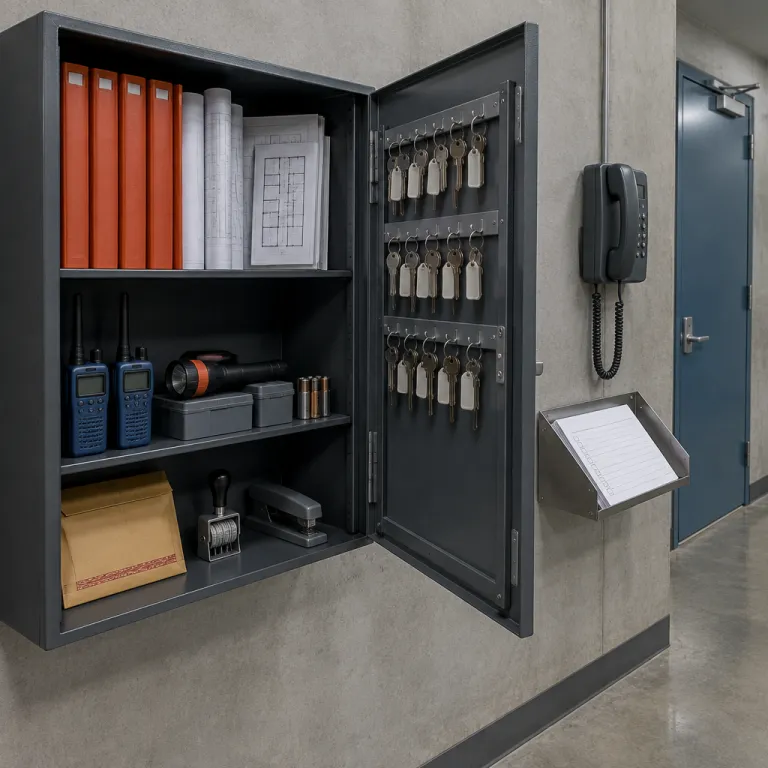
The content must also cover manual room key management, lock override procedures, and backup access to critical plant areas. Clear diagrams of the property, pre assigned evacuation zones, and radio call signs help teams coordinate without internal messaging systems, and they empower team leaders who may not be senior managers but are physically on site. A good hotel crisis response offline analog playbook will explore multiple crisis scenarios, from natural disasters to ransomware, and for each case study it should specify which team does what, in what order, and how to document actions for post event review.
The first 30 minutes: decision trees when every screen is black
When PMS, door locks, and internal communications fail simultaneously, the first 30 minutes define the rest of the crisis response. A hotel crisis response offline analog playbook should open this section with a bold instruction page that any night manager or duty manager can follow without waiting for corporate approval. That page must separate life safety decisions from commercial decisions, because delaying an evacuation to check with ownership will fail every regulatory and duty of care test.
The decision tree should start with a simple question set written in plain language. Is there visible smoke, water, or structural damage ; are guests reporting health symptoms ; are elevators or emergency exits compromised ; and are mobile devices still working on external networks, or is the outage total across tech and technology. From there, the tree guides leadership through immediate steps : activate fire or evacuation protocols if needed, switch to paper guest lists, deploy équipes to pre assigned floors, and log every action with time stamps on printed incident forms that can later feed PMS real time occupancy reconciliation, as detailed in this analysis of operational security with PMS dashboards.
For non life threatening outages, the hotel crisis response offline analog playbook should define a calm but firm holding pattern. Front office teams move to manual check in, security teams secure entrances and critical back of house areas, and finance teams implement cash only or voucher based billing with clear limits and receipts. The document must help organizations decide when to shut down new arrivals, when to relocate attendees from an event, and when to escalate to insurers and legal counsel, so that post event disputes about refunds, liability, and coverage have a defensible paper trail.
Coordinating staff and guests without digital tools
Once the initial shock passes, the operational challenge becomes scale : how to coordinate équipes across a 200 to 500 room property when radios, Wi Fi, and messaging apps are unreliable or gone. A hotel crisis response offline analog playbook should assign each team a physical zone and a simple analog communication method, from battery powered radios with pre agreed channels to runners carrying written updates between command posts. In large resorts or convention hotels, this zoning is the only way to maintain real time awareness of where guests, staff, and contractors actually are.
Guest communication is where hospitality either shines or loses the room. When keycard systems fail and billing stops, the instinct to hide behind closed doors will fail, because silence invites rumor and social media speculation that can damage the brand long after the event. Instead, the playbook should script clear, honest messages for different audiences : individual leisure guests, corporate travelers, and event attendees, with timelines for updates even when there is no new content to share.
Analog signage becomes a critical part of user experience and community engagement during a crisis. Printed notices at elevators, lobby desks, and restaurant entrances explain what has happened in neutral language, what the hotel is doing, and what guests should expect in terms of services, delays, and safety measures over time. For large conferences, the hotel crisis response offline analog playbook should include a template briefing that event organizers can read to attendees, aligning messaging so that the event will continue safely where possible, or wind down in an orderly way when systems and tools cannot be restored quickly.
Testing the analog plan and sequencing recovery
An untested hotel crisis response offline analog playbook is a liability disguised as a binder. Tabletop exercises are where leadership, risk managers, and front line équipes learn whether the beautiful diagrams and procedures actually work when the Wi Fi password is irrelevant. The most useful scenario is simple and brutal : assume a ransomware attack and power failure during a sold out event with international attendees, then walk minute by minute through what each team does without any digital tools.
During these sessions, event will dynamics quickly expose gaps in staffing, training, and decision making. Attendees will notice that some roles are over centralised, that certain engagement tools such as radios or printed maps are missing, and that the physical digital interface between paper and systems is poorly defined. This is where a thought leader in hotel risk management earns their title, by insisting that the exercise run until the last guest is checked out on paper and the last cash payment is reconciled, not just until the PowerPoint ends.
Recovery sequencing is the final pillar of a serious hotel crisis response offline analog playbook. Once core life safety is stable, the plan should prioritise restoring door locks and basic lighting, then PMS and payment systems, then secondary tech such as guest Wi Fi and media services, because that order has the most measurable impact on both safety and revenue. As one seasoned incident commander put it during a debrief, "We do not manage crises for the press release ; we manage them so that every guest can sleep, pay, and leave safely, even if the network never comes back."
Aligning analog readiness with legal, insurance, and industry expectations
For juristes, assureurs, and specialized risk consultants, the hotel crisis response offline analog playbook is not just an operational manual. It is evidence that the business has taken reasonable steps to anticipate foreseeable crises, from natural disasters to cyber extortion, and that leadership has empowered team structures capable of acting without constant corporate oversight. Regulators and courts increasingly look at whether teams were trained, not just whether a policy existed in a drawer.
Insurers in the hospitality industry now scrutinise how properties will explore offline continuity during underwriting. A detailed analog plan, backed by regular tabletop drills and post event reviews, can help organizations negotiate better terms, higher sublimits for business interruption, and clearer wording around cyber triggered outages. In some markets, failure to maintain such a plan may even affect coverage when a crisis response is judged negligent, especially if high profile failures have already been publicised in media reports.
From a strategic perspective, the hotel crisis response offline analog playbook should be integrated into broader risk and operations content, not treated as a side project. Lessons from mega event operations, such as those analysed in this real time tournament operations review, show that properties with strong analog routines outperform peers when systems fail. Over time, that measurable impact on resilience, guest experience, and legal defensibility becomes a competitive advantage that quietly separates disciplined operators from those still betting everything on the next tech upgrade.
FAQ: offline crisis planning for hotels
What is a hotel crisis response offline analog playbook in practice ?
It is a printed, regularly updated manual that explains how a hotel will operate safely and legally when all core digital systems fail. The document covers guest lists, emergency contacts, manual check in and billing, communication protocols, and recovery priorities. It is stored in multiple secure locations and drilled with équipes so that any duty manager can use it under pressure.
How often should hotels test their analog crisis procedures ?
At minimum, hotels should run a full tabletop exercise on the offline playbook once per year, with shorter drills for specific teams several times per year. Properties with high event volumes or complex layouts benefit from more frequent scenario based walk throughs. Each exercise should generate a written post event report and updates to the playbook.
Who should own the offline crisis playbook inside the organization ?
Operational ownership usually sits with the general manager or director of operations, supported by the risk manager or security director. Legal, finance, IT, and HR should co author relevant sections so that procedures align with contracts, insurance, and labour rules. During an incident, a designated incident commander leads execution while department heads manage their teams.
How does an analog plan interact with cyber insurance and liability ?
Cyber and property insurers increasingly expect hotels to show concrete business continuity measures, including offline procedures. A robust analog playbook can support claims by demonstrating that the hotel acted reasonably to limit damage and protect guests. It also helps legal teams defend against negligence allegations by documenting decisions and actions taken during the outage.
What is the first step for a hotel that has no offline playbook yet ?
The fastest starting point is to map which critical services depend on digital systems, then write simple paper based backups for each. From there, assemble a cross functional working group to draft the full hotel crisis response offline analog playbook, prioritising guest safety, access control, and payment continuity. Once a draft exists, schedule a tabletop exercise to expose gaps and refine the document.