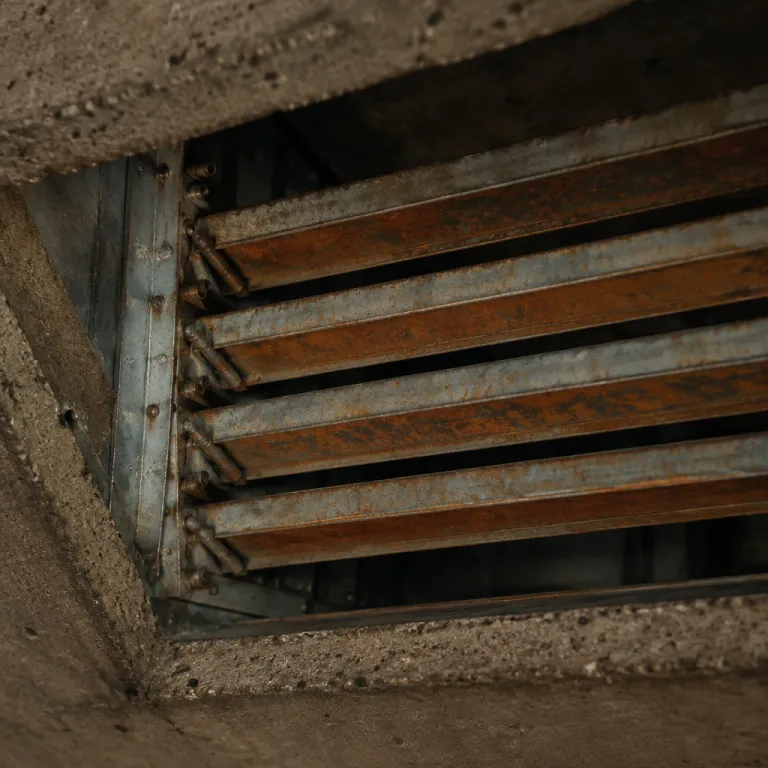
Reframing damper services to meet fire compliance in hospitality assets
Risk managers in hospitality now treat damper services to meet fire compliance as a core pillar of operational resilience. In a multi storey hotel or resort building, every fire damper and smoke damper embedded in HVAC shafts quietly underpins life safety and business continuity. When dampers fire systems fail under heat and smoke, the resulting loss of life and property can erase years of brand equity in a single night.
For directions générales and assureurs, the strategic question is no longer whether to invest in damper inspections but how to structure inspection fire programmes that align with NFPA guidance and local requirements. A mature regime integrates damper inspection, functional testing, damper repair, and documentation into the same safety services framework that already governs fire door checks, fire protection systems, and fire safety training. This integrated approach turns damper compliance from a narrow technical topic into a board level risk lever that shapes underwriting conditions, premiums, and contractual obligations.
Legal teams and cabinets spécialisés in travel and hospitality increasingly scrutinise how damper services to meet fire compliance are specified in management contracts and franchise agreements. They expect clear clauses on access to shafts, responsibilities for inspections fire, and timelines for any repair fire work that follows failed tests. Without this clarity, a single blocked access hatch or a damper stuck in the wrong position can become a focal point in litigation after a fire life safety incident involving smoke spread through guest corridors.
From hardware to risk narrative
Technical teams often speak about each individual damper, test, and repair, while boards think in terms of risk narratives and reputational exposure. Translating damper inspections into a language of life safety, regulatory compliance, and insurance defensibility helps align engineering work with strategic objectives. When a general manager understands that every completed damper inspection and every documented test directly supports claims defensibility, budgets for services fire and safety services stop being viewed as discretionary.
For insurers, a hotel portfolio that can evidence systematic damper inspections and timely damper repair across all properties presents a different risk profile from one with sporadic inspection fire records. Underwriters look for proof that fire dampers and smoke dampers are accessible, tested, and maintained in line with NFPA standards and local codes. They also examine whether fire door maintenance, fire smoke control strategies, and fire protection system testing are coordinated so that no single failure mode can compromise life safety.
In this context, damper services to meet fire compliance become a storytelling tool that connects engineering diligence with guest protection and brand resilience. A well structured narrative links each fire damper and smoke damper test to specific regulatory requirements and to the hotel’s documented fire safety strategy. That narrative then supports negotiations with insurers, reassures corporate travel buyers, and strengthens the legal position of owners and operators when incidents are investigated.
Legal, insurance, and NFPA alignment for damper compliance in hotels
Hospitality operators face a complex mesh of NFPA standards, local codes, and insurer requirements that all touch damper services to meet fire compliance. NFPA 80 (Standard for Fire Doors and Other Opening Protectives) and NFPA 105 (Standard for Smoke Door Assemblies and Other Opening Protectives) reference the role of fire dampers and smoke dampers in compartmentation, while NFPA 90A (Standard for the Installation of Air-Conditioning and Ventilating Systems) and NFPA 101 (Life Safety Code) set a baseline for inspection, testing, and maintenance intervals. Local building regulations then layer on specific inspection fire obligations, documentation formats, and enforcement practices that vary between jurisdictions.
For juristes and risk managers, the central task is to map each fire damper and smoke damper in the building to the exact compliance obligations that apply. This mapping should include inspection frequencies, testing methods, access provisions, and acceptable repair techniques for dampers fire systems. As an example, NFPA 80 and NFPA 105 require fire and smoke dampers to be tested one year after installation and then at intervals not exceeding four years in most buildings, with a six-year interval permitted in hospitals. When a regulator or insurer requests evidence after an incident, the operator must be able to show that every damper inspection and every test was carried out in line with both NFPA guidance and local requirements.
Insurance policies increasingly reference life safety and fire protection measures in detailed schedules that go beyond generic wording. Underwriters may require proof that damper inspections are current, that any damper repair work is completed within defined timeframes, and that fire door assemblies are maintained to prevent smoke migration. They also expect integrated fire safety strategies that link damper compliance with other controls such as extinguishers, alarms, and kitchen suppression systems, which are explored in depth in guidance on a hospitality fire extinguisher life cycle strategy.
Contractual allocation of responsibilities
In asset light hospitality models, the allocation of responsibilities for damper services to meet fire compliance can become blurred. Owners, operators, and third party facility managers may each assume that another party is handling damper inspections, testing, and repair fire work. This ambiguity often surfaces only after a fire life event, when investigators examine whether each fire damper and smoke damper was in the correct position and accessible for maintenance.
To avoid such gaps, contracts should explicitly assign duties for damper inspection, inspections fire scheduling, and documentation retention. They should also define who funds damper repair, who controls access to shafts and ceilings, and who has authority to take rooms or areas out of service when life safety is compromised. Clear language on fire door maintenance, fire protection system testing, and safety services oversight helps ensure that no critical component of the fire smoke control strategy is neglected.
Legal teams should insist that any third party providing services fire, including damper inspections and testing, carries appropriate professional indemnity and keeps records that meet evidentiary standards. A sample clause might state that “the Operator shall ensure that all fire dampers and smoke dampers are inspected and tested in accordance with NFPA 80, NFPA 90A, NFPA 101, and applicable local codes, and shall retain inspection fire records for not less than ten (10) years, making such records available to the Owner and insurers on request.” Those records must show when each fire damper and smoke damper was inspected, what position it was found in, what test was performed, and what repair fire actions were taken. When such documentation aligns with NFPA guidance and local building codes, it becomes a powerful shield in both regulatory reviews and civil claims.
Engineering the inspection and testing regime for complex hospitality buildings
Large hotels, convention centres, and integrated resorts present unique engineering challenges for damper services to meet fire compliance. Vertical risers, extensive ductwork, and mixed use spaces mean that fire dampers and smoke dampers are often hidden behind finishes that were never designed with maintenance access in mind. Over time, refurbishments can further obstruct access, leaving critical dampers fire components effectively invisible to routine inspections.
Engineering teams must therefore design a structured damper inspection and testing programme that starts with a complete asset register. This register should identify every fire damper, smoke damper, and combination fire smoke device, along with its exact location, access route, and normal position. Once this baseline is established, inspections fire can be scheduled in phases that minimise guest disruption while still meeting NFPA and local inspection fire requirements.
Testing methods should be chosen to reflect both regulatory expectations and the realities of hospitality operations. In some cases, remote test devices can reduce the need to open ceilings, while in others, physical access remains essential to verify that each damper moves freely and returns to the correct position. Where dampers are found to be inoperable or obstructed, damper repair or replacement must be prioritised as a life safety issue rather than deferred as routine maintenance.
Integrating dampers with broader safety systems
Fire safety in hospitality is a system of systems, and damper services to meet fire compliance must be integrated with other controls. Fire door assemblies, alarm systems, and smoke control strategies all interact with fire dampers and smoke dampers to manage smoke movement and protect escape routes. If one element fails, the overall fire protection strategy can unravel, exposing guests and staff to unacceptable risk.
Risk managers should therefore align damper inspections with other safety services such as electrical testing and extinguisher maintenance. For example, insights from a strategic approach to electrical safety and EICR in hospitality can inform how inspection fire data is captured, trended, and used to prioritise capital expenditure. The same discipline applied to EICR reports can be used to track damper compliance, identify recurring defects, and justify targeted investments in access improvements or damper replacement.
In kitchen and back of house areas, where smoke and heat loads are higher, the interaction between fire dampers, smoke dampers, and local extraction systems becomes particularly critical. Here, damper inspections should be coordinated with hood cleaning, suppression system testing, and fire door checks to ensure that no single failure allows smoke to bypass containment lines. When services fire providers work from a shared schedule and data platform, the result is a coherent fire life safety posture rather than a patchwork of isolated inspections.
Operationalising damper services across multi property hospitality portfolios
For groups managing dozens of hotels across regions, damper services to meet fire compliance must scale without losing local nuance. Central risk teams need visibility into how each property manages damper inspection, testing, and damper repair, while allowing for differences in building design and regulatory regimes. A portfolio wide standard that references NFPA principles and local requirements provides a common language for owners, operators, and insurers.
Such a standard should define minimum frequencies for damper inspections, acceptable testing methods, documentation formats, and escalation paths when defects are found. It should also specify how fire dampers, smoke dampers, and fire door assemblies are tagged, logged, and tracked through their life cycle. When every property reports inspections fire data into a central platform, risk managers can identify patterns such as recurring access issues, clusters of repair fire work, or systemic non compliance in particular building types.
Assureurs value this portfolio level transparency because it demonstrates that damper compliance is not left to chance at individual sites. They can see how services fire providers are selected, how safety services are audited, and how quickly life safety defects are closed. This evidence supports more favourable terms and can influence deductibles, sub limits, and conditions precedent related to fire protection and life safety.
Training, competence, and change management
Even the best written standards for damper services to meet fire compliance will fail without competent people to execute them. Engineering teams, external contractors, and even front office staff need tailored training on why fire dampers, smoke dampers, and fire door assemblies matter for life safety. When staff understand that a blocked access panel or a wedged open door can undermine the entire fire protection strategy, behaviours begin to shift.
Risk managers should require that anyone performing damper inspection or testing is demonstrably qualified and familiar with NFPA guidance and local codes. Training programmes should cover how to verify damper position, how to conduct a functional test, and how to recognise when damper repair is necessary rather than optional. Refresher sessions help maintain competence as staff turnover occurs and as building modifications introduce new access challenges.
Change management is equally important when refurbishments or layout changes are planned. Design teams must consult fire safety specialists to ensure that new finishes, ceilings, or partitions do not obstruct access to fire dampers and smoke dampers. Any change that affects ducts, shafts, or fire door locations should trigger a review of damper compliance and a targeted round of inspections fire to confirm that life safety has not been compromised.
Incident prevention, claims defensibility, and the role of documentation
From a Sécurité, Risk, Assurance & Juridique Hospitality perspective, damper services to meet fire compliance are as much about documentation as about hardware. When a fire life event occurs, investigators will ask not only whether fire dampers and smoke dampers functioned but also whether the operator can prove that inspection fire obligations were met. Detailed records of damper inspections, testing, and damper repair become central exhibits in both regulatory inquiries and civil litigation.
Effective documentation should capture the identity of each fire damper and smoke damper, its location in the building, its normal position, and the date and outcome of each test. It should also record any repair fire work, including parts replaced, access modifications, and follow up inspections fire to confirm that life safety has been restored. When this information is stored in a structured format, it can be quickly retrieved to answer questions from regulators, insurers, and legal counsel.
For claims defensibility, consistency across properties is crucial. If one hotel in a portfolio maintains impeccable records of services fire while another has gaps in damper inspection logs, plaintiffs’ lawyers will focus on the weaker link. A unified approach to safety services documentation, aligned with NFPA guidance and local requirements, helps ensure that every property can demonstrate due diligence in managing fire protection and fire safety.
Linking dampers to broader fire risk narratives
Incident prevention strategies in hospitality increasingly rely on integrated narratives that connect multiple controls, and damper services to meet fire compliance are a key chapter in that story. A comprehensive narrative explains how fire dampers, smoke dampers, and fire door assemblies work together to contain smoke and protect escape routes. It also shows how damper inspections, extinguisher maintenance, and kitchen suppression strategies, such as those outlined in a wet chemical fire extinguisher strategy for hotel kitchens, form a coherent fire protection ecosystem.
Risk managers should use incident simulations and table top exercises to test whether this ecosystem performs as intended under realistic conditions. These exercises can reveal weaknesses such as inaccessible dampers fire components, mislabelled fire door routes, or gaps in services fire coordination between contractors. When findings are fed back into damper inspection schedules, training plans, and capital projects, the result is a virtuous cycle of continuous improvement in life safety.
Ultimately, the goal is to ensure that every guest and employee can rely on a robust, well maintained, and well documented fire safety system. When damper compliance is treated as a strategic asset rather than a technical chore, hospitality organisations strengthen their resilience, enhance their insurability, and uphold their duty of care in a demanding regulatory and legal environment.
Key statistics on fire dampers, inspections, and hospitality risk
- Studies referenced by NFPA, including analyses associated with NFPA 80 and NFPA 90A, have shown that a significant proportion of inspected fire dampers in commercial buildings are initially found inoperable, often due to painted over access panels or obstructed ducts, underscoring the importance of regular damper inspections and functional testing.
- Data from various fire safety authorities indicate that smoke inhalation, rather than direct flame contact, accounts for the majority of fire related fatalities in buildings, which highlights the critical role of smoke dampers, fire smoke control, and properly maintained fire door assemblies in life safety strategies.
- Insurance industry analyses have reported that properties with documented, code compliant fire protection maintenance regimes, including damper services to meet fire compliance, can benefit from reduced premiums or improved terms, reflecting a lower perceived risk of large loss events.
- Regulatory enforcement records in several jurisdictions show that failures in inspection fire documentation, such as missing test reports for fire dampers and smoke dampers, are among the most common deficiencies cited during building safety audits in the hospitality sector.
- Post incident investigations into major hotel fires have repeatedly identified blocked access to critical fire protection components, including dampers fire systems and fire door routes, as a contributing factor to uncontrolled smoke spread and extended business interruption.
FAQ on damper services to meet fire compliance in hospitality
How often should fire dampers and smoke dampers be inspected in hotels ?
Inspection frequencies for fire dampers and smoke dampers in hotels are typically defined by NFPA standards and local building codes, which often require initial testing after installation and periodic damper inspections thereafter. NFPA 80 and NFPA 105 specify that testing should occur one year after installation and then at intervals not exceeding four years in most occupancies, with longer intervals allowed only in specific healthcare settings. Risk managers should confirm local requirements and then set inspection fire schedules that at least meet, and preferably exceed, those minimums. Multi property operators usually harmonise these intervals across their portfolios to simplify services fire planning and reporting.
What documentation is needed to demonstrate damper compliance to insurers and regulators ?
To demonstrate damper compliance, operators should maintain detailed records for every damper inspection and test, including the location, identifier, date, inspector, findings, and any damper repair actions taken. These records should be linked to floor plans and asset registers so that each fire damper and smoke damper can be quickly located and verified. Insurers and regulators expect this documentation to be complete, consistent, and aligned with NFPA guidance and local requirements.
How can hospitality groups manage damper services across multiple countries with different codes ?
Hospitality groups operating in multiple countries should establish a global standard for damper services to meet fire compliance that references NFPA principles while allowing for local adaptations. Each property then maps its specific building code requirements onto this standard, ensuring that damper inspections, testing, and repair fire work meet or exceed local expectations. Central risk teams monitor compliance through unified reporting tools and periodic audits of safety services providers.
What are the most common issues found during damper inspections in hotels ?
Common issues found during damper inspections in hotels include inaccessible dampers due to sealed ceilings, dampers stuck in the wrong position, missing or damaged access panels, and lack of evidence that previous testing was performed. Inspectors also frequently encounter fire door assemblies that have been altered or wedged open, undermining the intended fire smoke containment strategy. Addressing these defects promptly through damper repair and improved access design is essential for maintaining life safety.
How should damper maintenance be integrated with other fire safety services in hospitality ?
Damper maintenance should be planned as part of an integrated fire protection programme that also covers alarms, extinguishers, kitchen suppression, and fire door inspections. Coordinating services fire schedules reduces guest disruption, improves access planning, and ensures that all life safety systems are tested in a coherent sequence. Using a shared data platform for inspection fire results allows risk managers to see the full picture of fire safety performance across the building and portfolio.