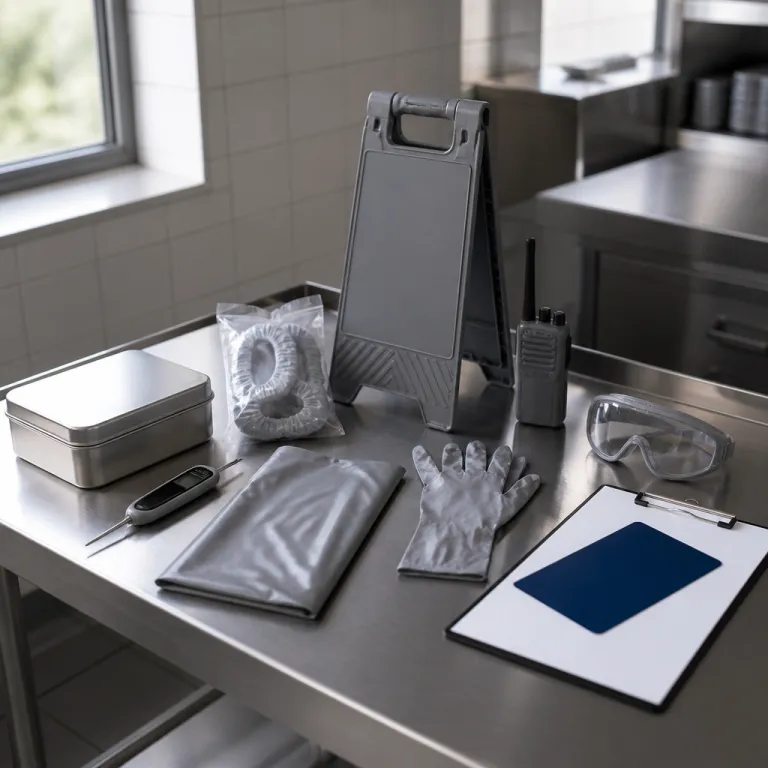
Why hotel seasonal staff safety training is your hidden H&S exposure
Every hotel that scales up for peak season quietly amplifies its health and safety exposure. When seasonal workers reach 30 to 40 percent of your total staff, compressed hotel seasonal staff safety training turns into a structural risk rather than a marginal issue. In many hotels, the pressure to open all guest rooms and outlets on time means safety protocols are the first thing sacrificed, even though the hospitality industry already knows that new employees are three to five times more likely to be injured during their first months of work, a pattern repeatedly highlighted in Occupational Safety and Health Administration (OSHA) and National Institute for Occupational Safety and Health (NIOSH) analyses of new-worker injury rates, including OSHA’s Temporary Worker Initiative (TWI) bulletins and NIOSH reviews of short-tenure workers.
Regulators and insurers now read this pattern as a foreseeable risk, not bad luck. OSHA data on new workers, combined with hospitality industry loss runs from major insurers, show a recurring spike in injuries among hotel employees and hotel workers during the first 90 days of employment, especially when training hours per person fall below internal standards. In one anonymised insurer study of full-service hotels, more than 40 percent of workers’ compensation claims involved staff with less than three months’ tenure. This is exactly where health safety obligations, duty of care under law, and your hotel safety narrative for guests and staff collide, because a single preventable accident in back of house can quickly escalate into a guest facing incident.
Temporary workers, host employers and staffing agencies all sit inside this liability triangle. As the OSHA Temporary Worker Initiative bulletins state without ambiguity, “Why are temporary workers at higher risk? Limited training and unfamiliarity with workplace hazards.” and “Who is responsible for training temporary workers? Both staffing agencies and host employers share responsibility.” and “What are effective training methods for temporary staff? Comprehensive onboarding and continuous safety education.” For risk managers and general management, that means you must conduct hotel specific risk assessments, define clear safety measures, and ensure that every seasonal member of staff can demonstrate competence, not just sign a form, with documentation that can be produced for regulators, insurers and corporate clients on request.
The training compression problem: what gets cut, and what must never move
When occupancy forecasts harden, the first casualty is usually time allocated to safety training for seasonal employees. Human Resources and operations leaders shorten classroom sessions, skip practical drills, and rely on quick briefings at the front desk or in the staff cafeteria, hoping that common sense will cover the gaps. In reality, this erosion of hotel seasonal staff safety training and broader seasonal workforce safety leaves hotel employees and hotel workers exposed to potential hazards they cannot yet recognise or control, particularly in high-risk zones such as kitchens, guest rooms, loading bays and pool areas.
Some topics are negotiable in format but never in substance. Fire evacuation routes, use of extinguishers, and basic safety protocols for alarms must be covered in a way that allows employees and guests to act under pressure, not just recite theory during onboarding. The same applies to chemical handling in housekeeping and maintenance, lockout tagout for technical work, and health safety basics for food handling, because these are the areas where safety hazards routinely turn into reportable incidents in hotels, and where OSHA and NIOSH case reports repeatedly show preventable injuries linked to rushed or incomplete training.
Legal and insurance stakeholders should insist on a minimum non compressible curriculum for all workers, regardless of contract length. That curriculum should include hotel safety and safety security expectations for guest rooms, corridors, kitchens and pools, clear rules on when to provide panic support using panic buttons, and explicit escalation paths for any incident involving guests or staff. For properties investing in advanced room and corridor protections, aligning this curriculum with your broader guest room safety architecture and with any enhanced hotel room safety features already deployed across hotels will create a coherent risk story for regulators, insurers and corporate clients. A simple internal checklist that specifies minimum training hours per role, mandatory demonstrations, and sign-off by a supervisor turns this curriculum into an auditable standard rather than an informal guideline, and allows risk managers to verify that no critical topic has been silently dropped during peak-season pressure.
From certification to competence: making hotel seasonal staff safety training real
Many hotels can show auditors immaculate binders of signed induction forms, yet still record a disproportionate number of injuries among seasonal staff. The problem is simple; certification has been treated as a paperwork exercise, while competence in managing real hazards at work has not been verified. For risk managers, the pivot is to design hotel seasonal staff safety training and temporary-worker induction that end with demonstration, not just attendance, and to embed this requirement into standard operating procedures so it survives staffing changes and seasonal turnover.
For housekeeping teams, that means asking hotel workers to physically demonstrate safe bed making techniques, chemical dilution, and trolley handling along a full corridor, rather than only watching a video. In food and beverage, employees should show they can navigate a wet kitchen floor, handle knives, and respond to a minor burn while maintaining hygiene and safety protocols for cross contamination. At the front desk, seasonal hotel employees must be able to role play a fire alarm, a medical emergency, and a guest reporting a security concern in guest rooms, because these are the moments when panic can spread quickly through guests and staff alike, and when clear communication and calm behaviour directly influence outcomes.
Technology can support this shift without slowing operations. Short e learning modules, followed by on the job drills, allow hotels to conduct hotel specific assessments that are logged and auditable, while still respecting the compressed timelines of seasonal hiring. For legal and insurance partners, this demonstration based approach provides stronger evidence that the hospitality industry duty of care has been met, and it reduces the probability that a single lapse in employees safety will cascade into a claim that challenges your entire safety security framework, including cyber and operational layers already analysed in advanced risk assessments. A concise, role-based checklist that records which drills were completed, who observed them, and when they were signed off turns competence into something that can be measured rather than assumed.
Where seasonal incidents cluster: kitchens, housekeeping and chemicals
Loss data across the hospitality industry consistently shows three clusters of incidents involving seasonal workers. Kitchens generate burns and cuts, housekeeping generates ergonomic injuries and slips, and pool or maintenance areas generate chemical exposures that can affect both staff and guests. These patterns are not random; they map directly to where hotel seasonal staff safety training and seasonal workforce safety programmes are often thinnest, and where OSHA and insurer loss-run analyses repeatedly flag preventable events linked to inadequate supervision or missing refresher training.
In kitchens, new employees may not fully understand the hierarchy of risks between hot oil, steam, sharp blades and crowded service lines. Without clear safety measures and repeated drills, a moment of panic during a busy service can lead to a chain reaction that injures multiple workers and disrupts service to guests. Housekeeping teams face different potential hazards, from lifting mattresses in guest rooms to rushing on wet bathroom floors, and seasonal hotel workers who have not been trained in ergonomics and slip prevention quickly accumulate strains, sprains and falls, often within their first few weeks on shift.
Chemical handling is the third critical zone, especially around pools, laundry and engineering spaces. Here, health safety failures can affect staff and guests simultaneously, for example when incorrect mixing of cleaning agents creates toxic fumes that travel through ventilation. Risk managers should require that every seasonal member of staff who works near chemicals can explain, in their own words, the relevant safety protocols, emergency rinsing procedures, and how to provide panic support by alerting supervisors and using any available panic buttons or other emergency systems before the situation escalates beyond control. A brief, documented quiz or observed drill on chemical labels, personal protective equipment and emergency showers can be enough to demonstrate that this knowledge is real, not theoretical.
Designing a defensible seasonal safety model: buddy systems, panic buttons and the cost of one injury
A robust seasonal safety model starts with the admission that temporary workers will never absorb everything in a single classroom session. The most effective hotels pair each new seasonal employee with an experienced buddy for at least the first week of work, turning informal shadowing into a structured safety net. This buddy system allows hotel employees to correct unsafe behaviours in real time, reinforce safety training content, and model calm responses when guests or staff show signs of panic, while also giving new hires a safe channel to ask questions they might not raise in a group induction.
Technology then adds another layer of protection, especially for isolated or vulnerable workers. Many jurisdictions now expect hotels to provide panic devices for housekeeping and other staff working alone in guest rooms or remote areas, and regulators increasingly interpret the absence of such panic buttons as a gap in employees safety. When hotels deploy these systems thoughtfully, with clear rules on when to provide panic alerts and how buttons employees should use them, they transform a compliance obligation into a practical safety security tool that reassures both guests and staff. A simple internal protocol that specifies response times, who receives alerts, and how incidents are logged turns panic devices into part of a broader, defensible safety architecture.
The financial argument is equally clear for senior leadership and insurers. The total cost of a single lost time injury — medical expenses, overtime, replacement workers, potential legal fees and reputational damage — routinely exceeds the investment required to conduct hotel specific hotel seasonal staff safety training for an entire intake of seasonal workers. A simple internal case study from a mid scale property that reduced lost time injuries by cutting manual handling incidents in half after adding two hours of practical training and a buddy system illustrates the leverage involved. In that anonymised 220-room hotel, one year of enhanced seasonal training cost approximately the same as a single prior back-injury claim, yet reduced overall lost-time cases among temporary staff by more than 30 percent. When risk managers quantify this delta and present it alongside law based obligations and insurer expectations, the decision to protect hotel workers and guests through structured safety protocols, buddy systems and emergency buttons becomes not just ethically necessary but economically rational.
FAQ
Why are temporary and seasonal hotel workers at higher safety risk ?
Temporary and seasonal hotel workers face higher safety risk because they are unfamiliar with the property, its specific hazards and its safety protocols. Many receive limited or rushed hotel seasonal staff safety training, which leaves gaps in their ability to recognise and manage potential hazards in kitchens, guest rooms and technical areas. This combination of inexperience and compressed training increases the likelihood of errors, injuries and panic during incidents, a trend repeatedly noted in OSHA and NIOSH commentary on new and temporary workers, including OSHA’s Temporary Worker Initiative guidance on host employer responsibilities.
Who is legally responsible for safety training of temporary hotel staff ?
Responsibility for safety training of temporary hotel staff is shared between staffing agencies and host employers under occupational health and safety law. Staffing agencies must ensure workers receive general health and safety information, while the hotel must provide site specific safety training on its own risks, equipment and procedures. Regulators and insurers will typically assess whether both parties fulfilled their duties when investigating an incident involving seasonal employees, and will look for documented evidence of inductions, refresher training and supervision.
What should be included in a minimum safety curriculum for seasonal hotel staff ?
A minimum safety curriculum for seasonal hotel staff should cover fire evacuation routes, alarm responses and basic first aid expectations. It must also include safe handling of chemicals, ergonomics for housekeeping, kitchen safety measures, and clear rules for using any panic buttons or emergency systems. Finally, it should explain how to report incidents, protect guests and staff during emergencies, and escalate concerns to supervisors or the front desk, supported by a short checklist that records completion of each topic and the date it was delivered.
How can hotels verify that seasonal staff are truly competent, not just certified ?
Hotels can verify competence by requiring seasonal staff to demonstrate key tasks under supervision rather than only attending classroom sessions. This includes practical drills such as walking evacuation routes, showing safe lifting techniques, and simulating emergency calls from guest rooms or public areas. Documented observation checklists give risk managers and auditors evidence that employees safety has been addressed through real skills, not just signatures, and allow supervisors to identify where refresher coaching is needed.
What is the business case for investing in hotel seasonal staff safety training ?
The business case rests on comparing the cost of training with the cost of a single serious injury or incident. Comprehensive hotel seasonal staff safety training reduces lost time injuries, legal exposure and insurance claims, while also protecting guest experience and brand reputation. For senior leadership, this translates into lower total risk costs and a more resilient hospitality operation during peak seasons, supported by data from OSHA, NIOSH and insurer loss runs showing that well-trained seasonal workers generate fewer and less severe claims.